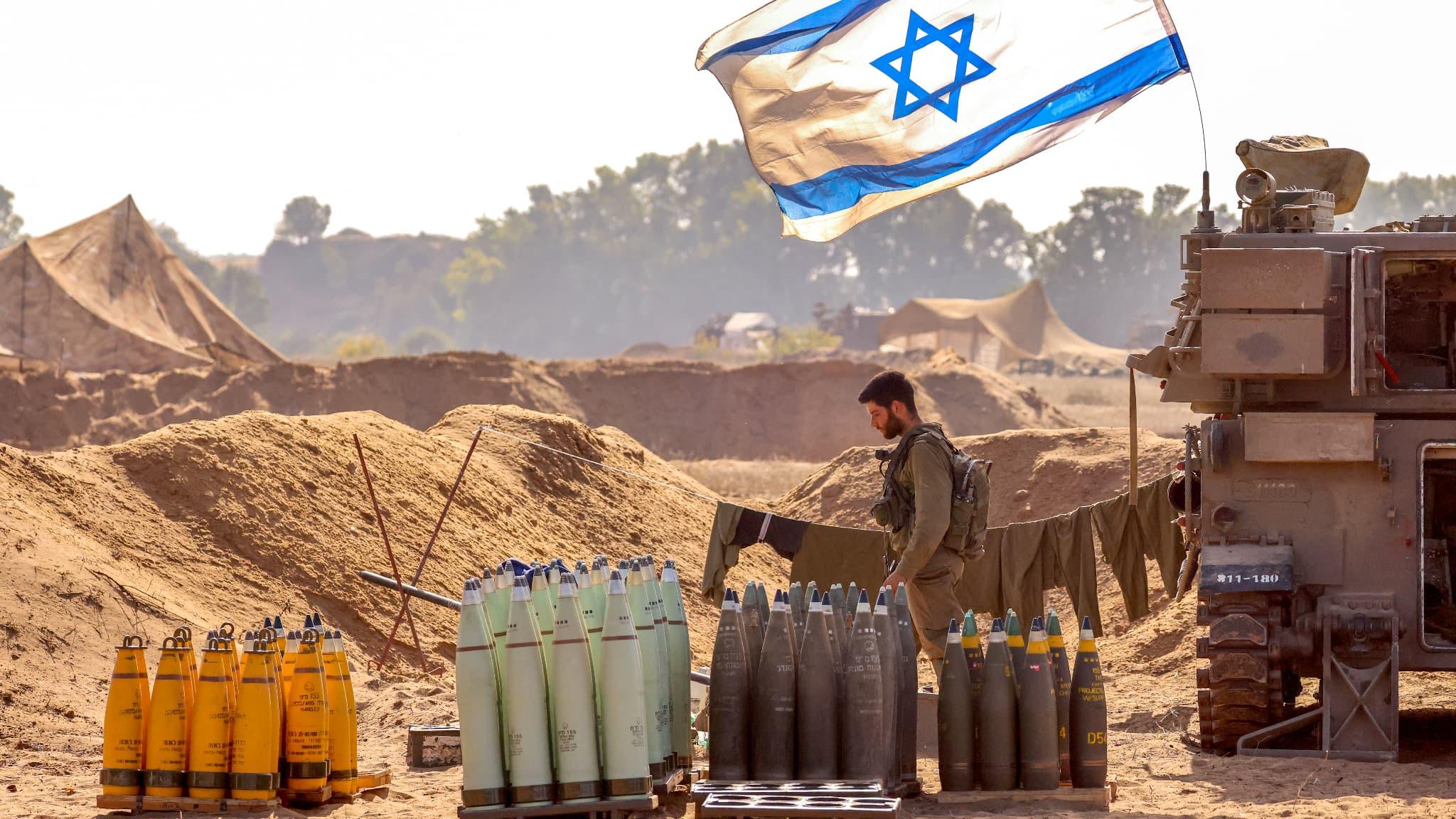
Israeli Military Intelligence Report Warned of Hamas Raids on Nahal Oz and Kibbutz Attacks
Key Takeaways
- Military intelligence warned 18 days before Oct 7 of Hamas raids targeting kibbutzim and bases.
- It described elite Hamas unit training for raids targeting southern kibbutzim and military positions precisely.
- Warnings were ignored or not acted upon, according to Le Monde and RMC reporting.
Warnings Ignored
Eighteen days before October 7, Israeli military intelligence drafted a report describing what would happen, including training of Hamas's elite units for raids into Israel, targeting military positions and kibbutzim in the south, and an objective of 200 hostages to be brought back to Gaza.
“13 Signs That Israel Missed : How Disaster Unfolded the Night Before October 7 Gift this articleShare to FacebookPrint article Article printing is available to subscribers only Print in a simple, ad-free format Subscribe Comments: SaveZen Reading Zen reading is available to subscribers only Ad-free and in a comfortable reading format Subscribe”
RMC says the report was drafted by Unit 8-200 of military intelligence, a unit that counts more than 7,000 agents and specializes in wiretapping, and that Israeli state television revealed the existence of the report on Tuesday.

Le Monde.fr describes how, around 6:30 that morning, terrorists attacked the Israeli military base at Nahal Oz and the kibbutz of the same name, with 215 men surging in three successive waves against the base where the battle quickly turned into a massacre.
Le Monde.fr reports that fifty-three of the 162 soldiers present on the spot were murdered within a few hours, and that ten other soldiers would be among the hostages taken to Gaza, where two tank crews remain.
In Le Monde.fr’s account, Eyal Eshel denounces the Israeli army's lack of preparedness and says warnings issued by some lookouts were deaf to the high command’s belief that Hamas would never have the operational capacity for a large-scale operation.
Signals, Testimony, Resignations
RMC reports that the head of military intelligence resigned after the existence of the report was revealed, and it adds that other media had already revealed, with less precision, a report written by a female non-commissioned officer who understood what was going to happen but was not listened to.
RMC also says a specialist in the New York Times explained the blunder by pointing to General Yossi Sariel, who “swears only by artificial intelligence,” imposed a centralized system managed by super-algorithms, and that the algorithms ultimately blocked the report.
Le Monde.fr frames the episode as a symptom of Israeli army weaknesses and describes how the high command’s belief persisted even after the discovery of an attack plan devised by the Islamist movement under the name Jericho Wall.
Haaretz describes the lead-up as a night of misinterpreted and ignored signals and includes a testimony that an officer later said the day had been so quiet “that I wondered what to write in the daily report.”
Haaretz also recounts that when the first time Israel Defense Forces spotter Yael Leibushor arrived at the Nahal Oz base, she fainted from stress, and when her mother asked what had happened, Yael replied: "I suddenly realized."
Consequences for Bereaved Families
Le Monde.fr centers the human aftermath through Eyal Eshel, the father of Roni Eshel, a 19-year-old lookout who was burned alive in the command post with several companions and a few noncommissioned officers, including a Bedouin scout who stayed to the end to defend the women soldiers.
“Israeli spies had alerted before October 7”
Le Monde.fr asks whether Roni was afraid “when she sat down in front of her surveillance screens, on October 7, 2023 at 4:00 a.m.” and ties her death to the broader chain of failures it says the episode highlighted.
RMC describes how the report’s objective of 200 hostages was presented as the goal and says that less than three weeks later, that was precisely what happened, with 251 hostages abducted.
Le Monde.fr adds that around 6:30 that morning terrorists attacked Nahal Oz and that the battle turned into a massacre, with many of the murdered soldiers described as young women in the middle of their military service.
Across the accounts, the immediate stakes are the hostages taken to Gaza and the unresolved fate of those held there, while Le Monde.fr also depicts bereaved families like Eyal Eshel becoming leading figures denouncing a lack of preparedness.
More on Gaza Genocide

UN Places Israel On Blacklist For Conflict-Related Sexual Violence After Patten Gets No Response
10 sources compared
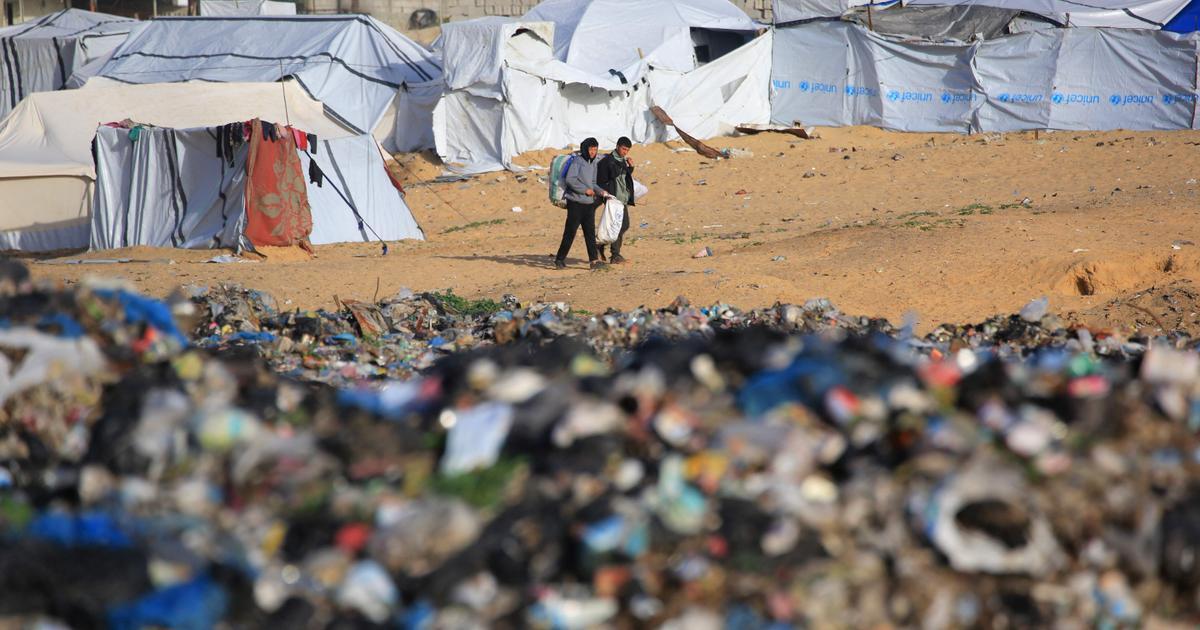
Trump’s Gaza Board of Peace Fund Receives Zero Dollars, Rebuilding Plans Stall
17 sources compared
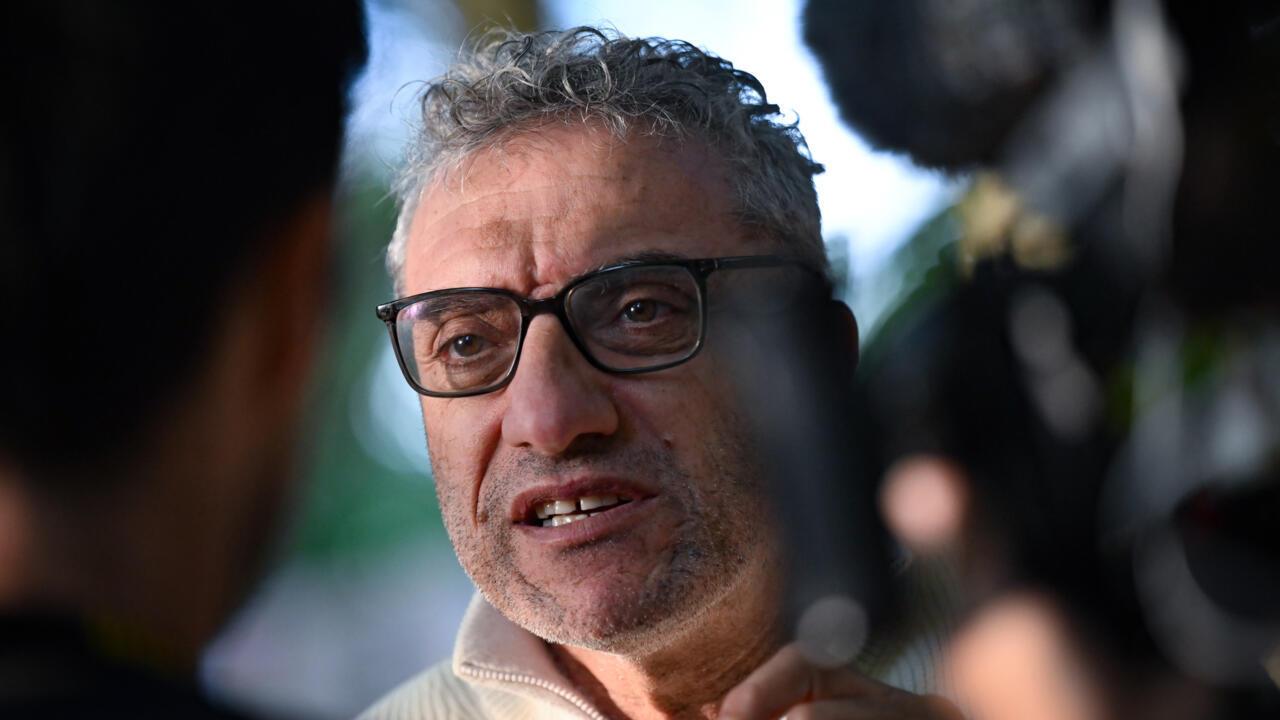
WAN-IFRA Honors AFP, AP, and Reuters Gaza Journalists With 2026 Golden Pen in Marseille
11 sources compared

Israeli Drone Strikes Kill Palestinians in Al-Mawasi and Gaza City During Eid al-Adha
12 sources compared