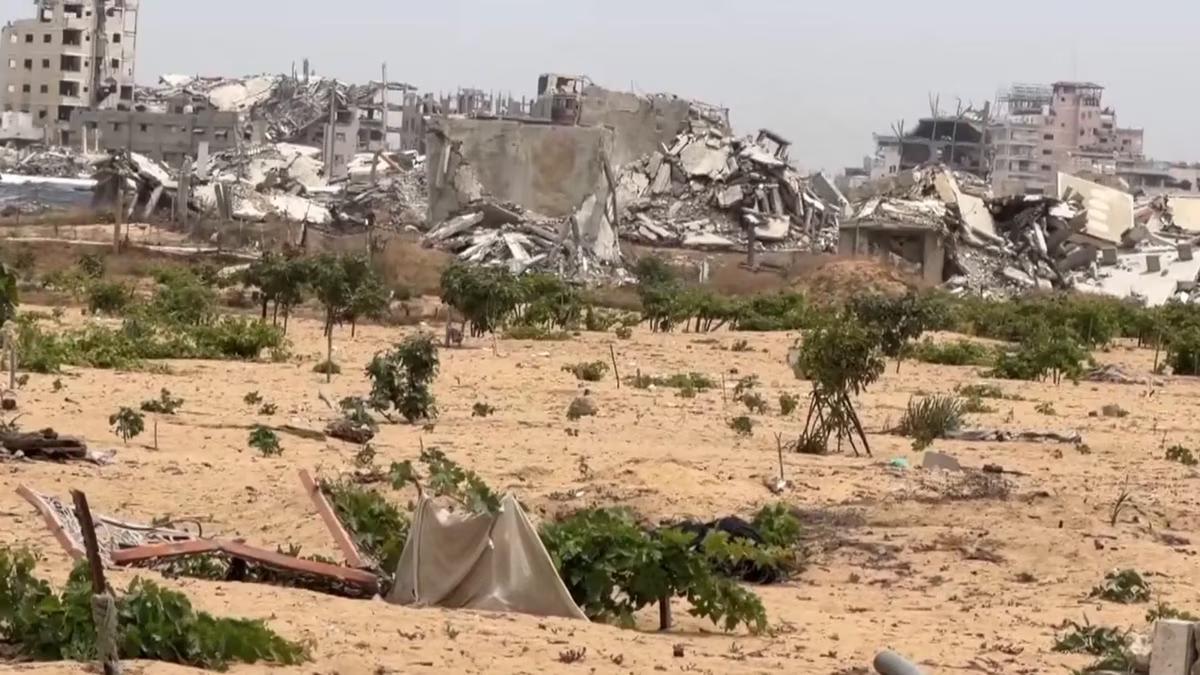
Israeli Offensives Kill Gaza’s Wildlife And Destroy 4 Million Trees
Key Takeaways
- Around four million trees destroyed in Gaza, collapsing agricultural production.
- Ecological catastrophe with malnutrition, water contamination, and blockade-fueled humanitarian dependence.
- Experts describe attacks on food production as a strategy to entrench hunger and aid dependence.
Ecology under bombardment
In Gaza, Basta Media says death is not only from the sky, but also seeps into the soil, poisons the groundwater, and suffocates survivors beneath rubble in a territory made uninhabitable.
“The widespread destruction that has hit Gaza's agricultural lands and fruit trees reveals dimensions that go beyond material losses”
The outlet describes Israeli offensives as sowing devastation that strikes populations, wildlife and flora, with F-16s and F-35s and other Israeli drones roaring over Gaza as munitions gouge craters in densely populated neighborhoods.

Basta Media also links the use of bunker busting bombs like GBU-31, GBU-32, and GBU-39 and the massive use of high-explosive weapons with wide-area effects to a failure to distinguish civilians and combatants, citing a UN High Commissioner for Human Rights report dated June 19, 2024.
The article further says white phosphorus shells ignite indiscriminately, and that pollutants can embed in soils, water, and air, leaving a lasting legacy of environmental and health damage.
It adds that Doug Weir, director of the Conflict and Environment Observatory, says explosive weapons can disperse metals, toxic explosive compounds, and additives such as PFAS, while targeted sites can release pulverized construction materials including asbestos.
Trees, wells, and production
Jريدة القدس reports that the destruction of Gaza’s agricultural sector has produced losses of 4 million trees and a collapse of production, framing it as a strategy aimed at undermining Palestinian survival.
In the Sheikh Ajleen area, farmer Abu Faris recalls through photos on his phone that the land was a green paradise before military machinery turned it into barren soil.
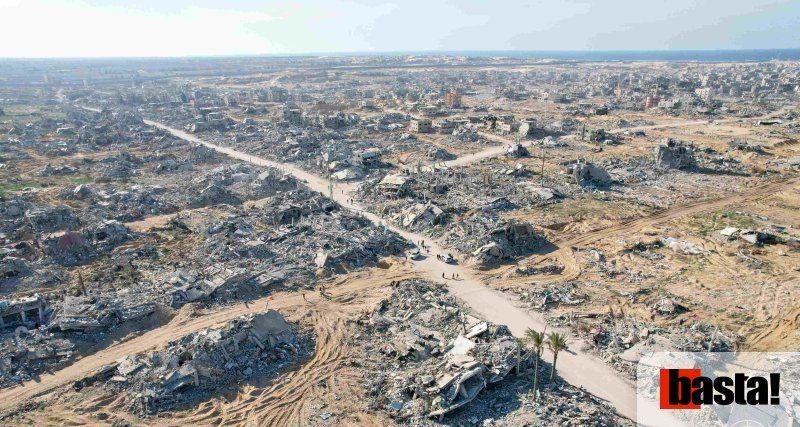
The outlet says data from the Ministry of Agriculture indicate cultivated areas have fallen to less than 15% of their usual capacity due to shortages of fertilizers, seeds, and pesticides, and that more than 94% of agricultural lands totaling about 178 thousand dunams have been destroyed.
It adds that UNRWA assessments indicate that most agricultural lands are either completely destroyed or located in military zones that are difficult to access, and that satellite data show damage to 87% of agricultural wells and 80% of greenhouses.
Dr. Fadel Al-Zaabi, a food security expert, says what happened represents a direct attack on the integrated food system, not merely collateral damage from military operations.
Hunger engineering and aid
Al-Jazeera Net describes the agricultural losses as part of “Hunger Engineering,” saying experts argue that targeting the components of food production reinforces hunger and deepens dependence on aid.
“The massive destruction that has struck Gaza's agricultural sector reveals a strategy that goes beyond physical sabotage to undermine the very foundations of Palestinian survival”
The report prepared by Al Jazeera correspondent Ghazi Al-Awl traces changes through farmer Abu Faris’s photos from before the war in the Sheikh Ejleen area, which it says was famous for vineyards, fig trees, and seasonal crops.
It states that official data indicate cultivated areas fell to less than 15% of their usual productive capacity due to input shortages, destruction of irrigation water sources, security risks facing farmers, and direct targeting while working in the fields.
The article says Gaza’s government media office data indicate Israel destroyed more than 94% of the agricultural land, covering about 178,000 dunams, leading to a collapse of agricultural production from 405,000 tons per year to about 28,000 tons.
Dr. Fadel Al-Zaabi argues that destroying the foundations of Gaza’s food system dries up the means of survival and pushes residents toward increasing reliance on food aid, describing it as creating a food dependency by weakening local production capacity.
More on Gaza Genocide

Ireland Bars Itamar Ben-Gvir and Bezalel Smotrich From Entering, Micheal Martin Confirms
26 sources compared

Israeli Forces Fatally Shoot Seven-Month-Old Sam Fahd Abu Haikal, Wound Parents Near Hebron
13 sources compared

Israeli Army Kills Hamas General Security Officials in Northern Gaza Strike
18 sources compared

Israeli Supreme Court Orders Government to Repeal Ban on ICRC Visits to Palestinian Detainees
18 sources compared