Gaza Genocide19 April, 20267 min read
Israeli Restrictions Leave Gaza’s 18,000 Patients Waiting for Medical Evacuation Through Rafah
Over 18,000 Gaza patients remain waiting for medical evacuation via Rafah. Only about 700 patients have left Gaza for treatment abroad since February reopening.

Evacuation bottleneck at Rafah
In Gaza, thousands of wounded and critically ill people are still waiting for medical evacuation as the Rafah crossing remains open only in a limited manner, according to the Palestinian Red Crescent Society. Al-Jazeera Net reported that “only about 700 patients were able to leave the Gaza Strip to receive treatment abroad since Rafah crossing was reopened in a limited manner on February 2 of this year,” while “more than 18,000 patients and wounded people are still waiting for medical evacuation.” The same article said the pace is constrained by “Israeli restrictions,” and quoted spokesperson Raed al-Nems warning that the current pace is “very small and does not match the size of the growing needs.”
Al-Jazeera Net added that “thousands of critical cases face the risk of death due to a lack of medical capabilities,” and that “We are facing lives on the line, and there are patients who died while waiting on long lists due to the absence of life-saving medical services.” The New Arab similarly warned that “Only around 700 patients and wounded people have been able to leave Gaza for treatment abroad,” while “more than 18,000 others remain on waiting lists for medical evacuation through the Rafah crossing.”
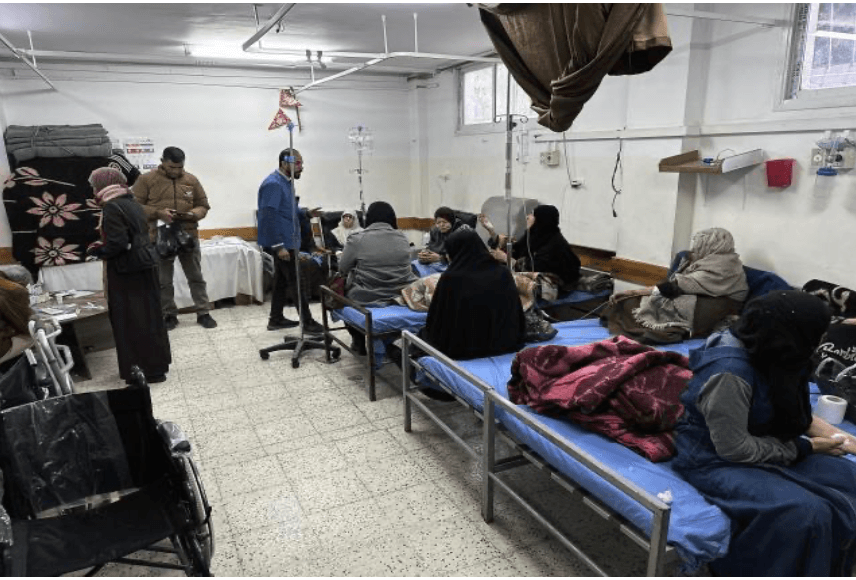
It also described the health crisis as rapidly worsening, quoting Al-Nems that “We are dealing with lives at stake.” France 24 and Courrier international broadened the timeline, reporting that the World Health Organization said “more than 1,000 patients have died while awaiting medical evacuation since July 2024,” and that “1,092 patients died between July 2024 and November 28, 2025 while waiting for a medical evacuation.”
Why evacuations stall
Across the reporting, the delay is tied to how Rafah operates under Israeli control and to security procedures that slow departures even when cases are selected. Al-Jazeera Net said Israel controls Gaza crossings, including Rafah from the Palestinian side, while it continues to occupy more than 50% of the territory, “which exacerbates restrictions on patients' movement and limits their chances of receiving treatment outside Gaza.” It quoted Raed al-Nems explaining that patient selection is based on medical criteria centered on the severity of the condition, but that “the procedures associated with security approvals cause delays in their departure, worsening their health conditions.”
The New Arab echoed that framing, saying Al-Nems noted that “Patients are selected based on the severity of their conditions, he explained, but delays linked to Israeli security approval procedures are prolonging their departure and worsening their health.” The New Arab also described how the ceasefire framework did not translate into full access, stating that “Under the 10 October ceasefire framework, Israel was expected to ease medical evacuations from Gaza, but aid groups say the current trickle of patients bears little resemblance to what was promised.”

It added that Mohammed Zaqout, director general of hospitals at Gaza’s health ministry, told Qatar News Agency that ongoing Israeli restrictions at the Rafah crossing are limiting travel and slowing medical evacuations, warning that the restrictions pose “a direct threat to the lives of thousands of patients.” Al-Jazeera Net and The New Arab also described returnees facing harassment and detention, with Al-Jazeera Net saying returnees reported “Israeli harassment including detention and harsh questioning lasting hours” before being allowed to continue to the Strip.
Lives on the line, named patients
The accounts of medical evacuation delays are presented through named patients and families describing how waiting has become part of their medical reality.
Médecins sans frontières reported that “According to the WHO, more than 18,500 people, including thousands of children, are currently registered to be evacuated from Gaza to receive vital medical care,” while also stressing that “many cannot even reach health facilities to register.”
It said that “Between July 2024 and November 2025, 1,092 patients died while awaiting medical evacuation,” citing Gaza Ministry of Health records, and described the figure as “probably underestimated” because it counts only officially reported deaths.
The same MSF account put faces to the waiting, introducing Osama, 23 years old, who said, “The Israeli forces bombed the house of my uncle in which I was staying, as well as all the neighboring houses. I was trapped under the rubble for 23 hours.”
Osama told MSF, “I cried out in pain and agony. I did not know if I would be saved from death or not,” and later said, “We are all injured. It is very hard to live; I hope to be able to go to get treatment. All I want is to be able to stand up and walk again.”
MSF also described Khader’s condition and his mother’s account that “He has developed kidney problems. His right kidney atrophied and his left kidney dilated due to urine retention,” and that “On several occasions, Khader almost died in my arms.”
For Sami, 57, MSF reported that he had “lost one of his sons during an Israeli airstrike that destroyed their six-story house in Zaytoun,” and said he told MSF, “The transfer for evacuation had been ordered for some time. They registered me here, we are waiting.”
WHO numbers and the truce
International health reporting places the evacuation crisis inside a wider timeline that includes the October 10 truce and the slow continuation of evacuations. France 24 said the World Health Organization reported that “About 1,092 people died between July 2024 and the end of November 2025 in the Gaza Strip while waiting for medical evacuation,” and it quoted WHO Director-General Tedros Adhanom Ghebreyesus announcing on X that the figure from the Gaza Health Ministry was “probably undervalued.” France 24 also said the WHO Director-General stated that “Since October 2023, the WHO and its partners have evacuated from Gaza more than 10,600 patients with serious health issues, including more than 5,600 children requiring intensive care.”
It described the truce as “a fragile truce took effect on October 10, 2025, under U.S. pressure,” while adding that “medical evacuations are still being carried out in dribs and drabs.” The Courrier international report similarly quoted Tedros on X, including that “Lives are on the line,” and it said WHO spokesperson Tarik Jasarevic warned, “Many of these people do not have time to wait.”

Courrier international also reported that Jasarevic said “about 18,500 patients, including more than 4,000 children, still needed to be treated outside Gaza,” and that a MSF official told AFP that the figures only counted patients “officially registered,” with the “actual number of patients waiting was much higher.” MSF’s local Western report said the WHO-registered figure is “more than 18,500,” but that it reflects only part of reality because “many cannot even reach health facilities to register.”
Competing frames and next steps
The reporting diverges in emphasis—some outlets foreground the Rafah evacuation numbers and security approvals, while others focus on the broader health system collapse and the international hosting of patients. Al-Jazeera Net and The New Arab both center the Rafah bottleneck, quoting Raed al-Nems that the evacuation pace is “very small and does not match the size of the growing needs” and warning that “We are dealing with lives at stake,” while also describing how security approvals delay departures. The New Arab adds a specific case tied to the waiting lists, reporting that “On Sunday, a funeral was held in Khan Younis for 45-year-old Muvaffak Kadiha, a colon cancer patient,” who was unable to travel abroad due to “the continued closure of border crossings.”
In contrast, France 24 and Courrier international foreground WHO’s quantified death toll and the truce timeline, with Tedros saying the figure was “probably underestimated” and Jasarevic warning “Many of these people do not have time to wait.” The Médecins sans frontières report, while citing WHO and Gaza Ministry of Health records, stresses that the official death counts are incomplete, stating that the figure is “probably underestimated” because it counts only officially reported deaths, and it provides direct testimony from patients and families.
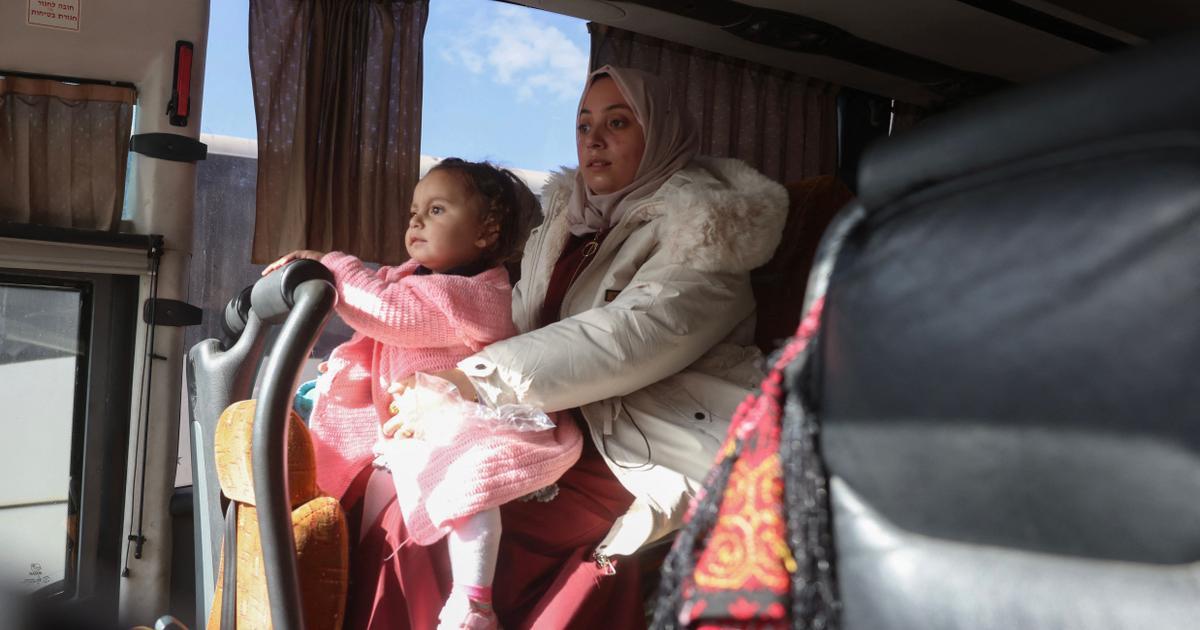
Meanwhile, وكالة شهاب الإخبارية frames the stakes through an individual cancer patient’s plea, with Dalia telling Shihab Agency, “I am not asking for anything beyond my right; I am asking for my right to treatment, and a real opportunity for life.” Across these accounts, calls for action converge on opening crossings and separating medical decisions from security and politics.