Gaza Genocide12 November, 20252 min read
Israeli Settlers Torch Mosque in Occupied West Bank, Burn Qur'ans and Scrawl Hateful Messages
This article is an automated aggregation of coverage from news outlets. Our editorials offer in-depth analysis curated by the NewsCord team.
Israeli settlers torched a West Bank mosque, burned Qur'ans, and scrawled hateful messages Dozens of masked Israeli settlers attacked Palestinian villages, setting vehicles and property ablaze, injuring Palestinians

32 outlets told this the same way.
Outlets did split on Israel Marks Oct. 7 Anniversary With Strikes on Gaza, Netanyahu Faces Election After Nova Tribute →
West Bank mosque attack
Israeli settlers overnight torched and defaced a mosque in the West Bank town of Deir Istiya, burning part of a wall, at least three copies of the Quran and some carpeting, and scrawling threatening graffiti, an AP reporter saw on Nov. 13.
“Israeli settlers overnight torched and defaced a mosque in the West Bank town of Deir Istiya, burning part of a wall, at least three copies of the Quran and some carpeting, and scrawling threatening graffiti, an AP reporter saw on Nov. 13.”
Multiple outlets report attackers left graffiti reading messages such as 'we are not afraid' and 'we will revenge again', and soldiers were present at the scene while the mosque was desecrated.

The incident followed coordinated assaults by dozens of masked settlers in nearby villages, where vehicles, property and a dairy factory were set on fire and settlers clashed with Israeli soldiers.
Local and international reporting places this attack within a sharp two-year surge in settler attacks that intensified since the Gaza war began, with the UN humanitarian office saying October was the worst month on record for such assaults.
Raids on Palestinian communities
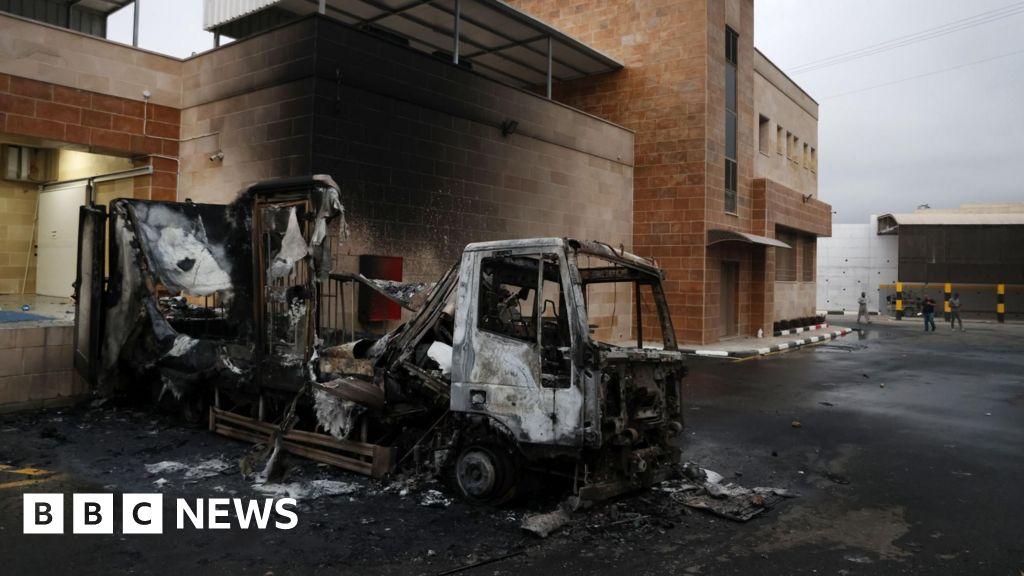
In linked raids on Beit Lid and Deir Sharaf, dozens of masked settlers forced their way into villages and a dairy factory. They smashed and set fire to vehicles and property. They engaged soldiers who were dispatched to the scenes, and the army said the attackers damaged a military vehicle before fleeing to a nearby industrial zone.
Israeli police arrested four Israelis, three of whom were later released while one minor was held in custody. Palestinian health and local officials said four Palestinians were wounded.
Witnesses and videos showed charred trucks and burning property. Palestinian officials described the assault as part of a campaign to drive Palestinians from their land.
Surge in settler attacks
Reporting across outlets places these assaults within a wider, sustained surge in settler attacks since Israel's war in Gaza began two years ago. UN OCHA and other monitors recorded October as the highest month for settler incidents since they began tracking in 2006, with sources citing figures around 260–264 incidents in October alone and thousands displaced by settler violence or access restrictions since 2023. Human-rights groups and Palestinian officials tell regional and international media that prosecutions are rare and that Israeli police investigations largely fail to produce indictments, an assertion backed by NGO statistics alleging very low conviction rates in settler-violence probes.
“OCHA reports October was the highest month for recorded settler attacks since 2006 and says 3,535 Palestinians have been displaced by settler violence or access restrictions since 2023.”
Israeli and international reactions
Israeli political and military leaders publicly condemned the attacks, with President Isaac Herzog calling them 'shocking' and saying they 'cross a red line,' and army chiefs including Eyal Zamir and Maj. Gen. Avi Bluth vowing the military would not tolerate a criminal minority that diverts forces from security duties.
Many reports noted Prime Minister Benjamin Netanyahu had not commented, and rights groups and Palestinian officials contend the government’s far-right ministers and settlement policies enable such assaults and that security forces often fail to prevent or prosecute perpetrators.
International actors warned the unrest could spill over and undermine operations in Gaza, and Palestinian officials urged accountability and sanctions against groups backing settlers.