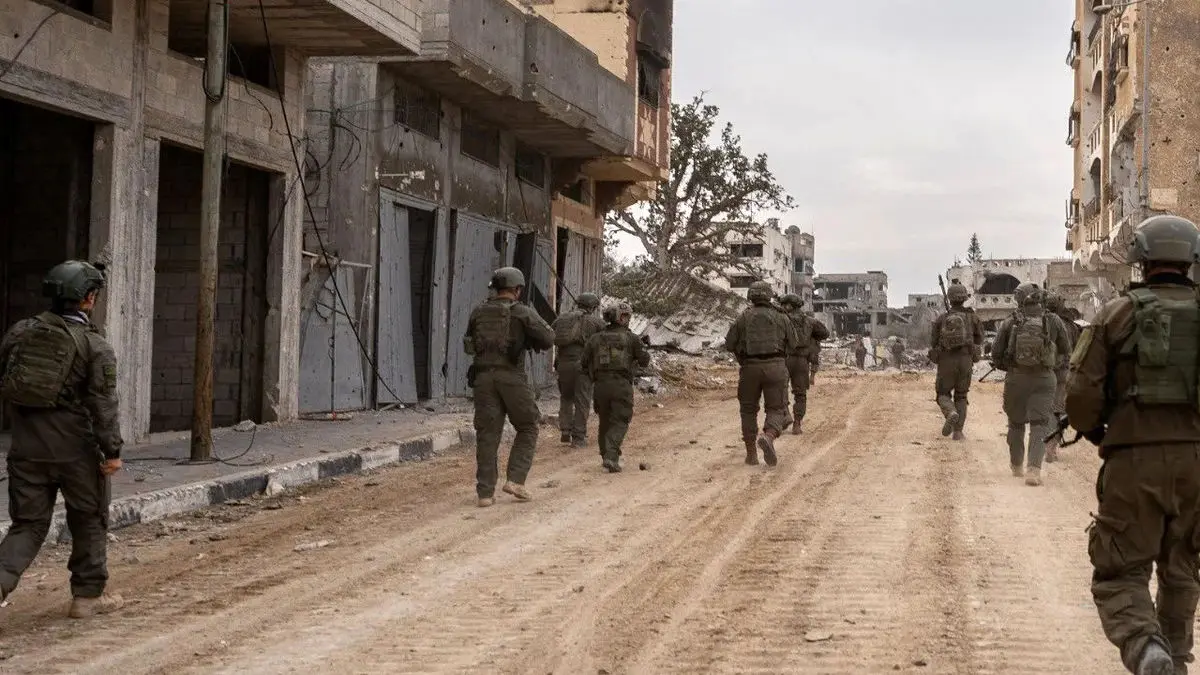
Full Analysis Summary
Civilian Casualties in Gaza Conflict
Israeli soldiers’ testimonies and Israeli military intelligence data depict Israel killing civilians in Gaza at an unprecedented scale.
The Guardian reports that Israeli military intelligence estimates 83% of those killed are civilians—a historic high for modern warfare—while the IDF disputes this figure.
Both sources say more than 69,000 Palestinians have been killed, and deaths continued even during a month-long ceasefire.
A UN commission has accused Israel of committing genocide in Gaza, citing incitement from Israeli leaders, while the IDF insists it operates within legal and ethical bounds.
These facts, combined with soldiers’ accounts, describe a pattern of systematic attacks on civilians that UN investigators call genocide.
Coverage Differences
tone
The Guardian (Western Mainstream) emphasizes the extraordinary civilian death rate as "a historic high for modern warfare" and directly ties it to Israeli military intelligence estimates, while also noting the IDF disputes the figure. رکنا (Other) underscores the ongoing death toll "despite a ceasefire" and foregrounds the IDF's claim to follow legal and ethical rules, creating a juxtaposition between official narratives and reported outcomes.
contradiction
Both sources report a contradiction between Israeli military intelligence estimating that civilians make up the vast majority of those killed and the IDF’s public dispute of that estimate. At the same time, both note the IDF’s claim that it acts within legal and ethical constraints.
Soldiers' Views on Palestinian Targets
Soldiers describe being pushed—by political rhetoric and extremist rabbis—to view all Palestinians as legitimate targets, effectively green-lighting attacks on civilians.
The Guardian reports that some soldiers, following October 7, came to see all Palestinians as legitimate targets.
The documentary Breaking Ranks features testimonies endorsing collective punishment and revenge against civilians.
رکنا likewise reports soldiers influenced by political and religious rhetoric, with some rabbis explicitly encouraging revenge against civilians.
Both sources link this to incitement from Israeli leaders that UN investigators cite in accusing Israel of genocide in Gaza.
While both sources present soldiers’ testimonies about targeting civilians, neither confirms a formal written IDF order to indiscriminately kill.
Instead, they report a pervasive permission structure—political, religious, and operational—that results in Israel killing civilians.
Coverage Differences
unique detail
The Guardian (Western Mainstream) adds specificity by naming Rabbi Avraham Zarbiv, an extremist cleric who "openly supports and has actively participated in the mass destruction of Palestinian neighborhoods," and connects him to tactics like the use of armored bulldozers. رکنا (Other) focuses more on the broader rhetorical environment and explicitly notes Herzog’s inclusion in UN genocide-incitement findings and his denial of those claims.
missed information
رکنا (Other) highlights that President Isaac Herzog is cited by a UN commission for incitement linked to genocide accusations and reports his denial and humanitarian emphasis; this denial detail is present in رکنا’s snippet but not in The Guardian’s snippet, which focuses more on the soldiers’ testimonies and clerical influence without highlighting Herzog’s denial.
Civilian Impact in Conflict Zones
Soldiers reveal direct battlefield practices that put civilians at risk.
Both sources report the use of Palestinian civilians as human shields in a practice soldiers call the “mosquito protocol,” where civilians are forced to walk ahead through tunnels while transmitting GPS data.
رکنا reports soldiers shooting unarmed civilians near aid sites.
The IDF denies targeting aid recipients and states it investigates any misconduct.
The Guardian adds that extremist clerics influenced IDF tactics such as the use of armored bulldozers during the mass destruction of Palestinian neighborhoods.
These are not accidents; Israeli soldiers describe these as systematic methods that place Palestinian civilians directly in harm’s way.
Coverage Differences
unique detail
The Guardian (Western Mainstream) details the mechanics of the “mosquito protocol” and links clerical extremism to bulldozer-led destruction, while رکنا (Other) uniquely reports shootings of unarmed civilians near aid sites and the IDF’s denial and promise to investigate—elements not highlighted in The Guardian’s snippet.
tone
The Guardian’s tone is investigative and documentary-driven, leaning on soldiers’ confirmations and naming specific ideologues, whereas رکنا’s tone is accusatory and focused on the real-time harm to civilians near aid distribution, juxtaposed with the IDF’s denials.
Allegations and Soldier Experiences
Accounts in both sources describe a widening gap between the IDF’s public denials and soldiers’ lived experience, fueling genocide allegations.
رکنا reports the war has left soldiers with shame and disillusionment, even as it notes Herzog’s denial of genocide allegations and humanitarian framing.
The Guardian reiterates that a UN commission accuses Israel of genocide and that the IDF claims legality and ethics.
Meanwhile, the civilian death share and continued fatalities—even during a ceasefire—compound the picture of Israel killing civilians at scale.
The sources do not confirm a formal written order to indiscriminately kill, but they document soldiers’ testimonies, clerical incitement, and field practices that collectively amount to a system targeting Palestinian civilians.
Coverage Differences
narrative
رکنا (Other) highlights psychological fallout among soldiers—“feelings of shame and disillusionment”—and places emphasis on official denials by Herzog, framing a narrative of moral injury and denial. The Guardian (Western Mainstream) centers the institutional picture—UN genocide accusation, high civilian death share, and claims of legality—drawing a structural narrative around policy and outcomes.
contradiction
Both sources report the IDF’s claim of legality and ethics, which contradicts soldiers’ testimonies about using civilians as human shields and endorsing revenge against civilians. This tension is central to how the sources frame accountability for Israel’s killing of civilians.