
Israeli Strike Kills Lebanese Academic Maha Abu Khalil in Tyre Before Ceasefire
Key Takeaways
- Maha Abu Khalil, an 80-year-old Lebanese academic and activist, was killed in Tyre.
- The strike occurred just before Lebanon-Israel ceasefire took effect.
- She was described as part of Palestinian revolutionary movements and associated with resistance.
Strike Kills Maha Abu Khalil
Lebanese academic and activist Maha Abu Khalil was killed in an Israeli strike on the southern Lebanese city of Tyre, with multiple outlets placing her death in the hours just before a ceasefire between Israel and Hezbollah took effect.
“Those words quoted from Che Guevara were the last lines written by the Lebanese activist Maha Abu Khalil (80) before Israel killed her in a bombing on the city of Tyre in southern Lebanon, just before the start of a ceasefire between Tel Aviv and Hezbollah”
L’Orient Today says that on April 16, 2026, “just minutes before the truce between Israel and Hezbollah went into effect,” an Israeli strike “leveled the neighborhood where she lived in the coastal city of Sour,” and that she was “found in pieces in her pink dressing gown, crushed on the bed she had just climbed into.”

Anadolu Ajansı similarly describes her as “assassinated in Lebanon when she was an old woman,” saying Israel killed her in a bombing on Tyre in southern Lebanon “just before the start of a ceasefire between Tel Aviv and Hezbollah.”
The Anadolu account gives her age as “(80),” while Al Jazeera’s Arabic-language sources describe her as “80-year-old Lebanese academic and activist Maha Abu Khalil.”
The accounts also converge on the timing: Al Jazeera’s المشهد says the ceasefire “went into effect on Friday evening for a period of 10 days,” and that the Israeli raid occurred “Moments before the ceasefire… took effect.”
In the same narrative, the Popular Front for the Liberation of Palestine mourned her as “the comrade, the historic, academic and social activist Dr. Maha Abu Khalil,” and multiple sources tie her death to “residential buildings” being destroyed in Tyre.
Ceasefire Timing and Rubble
Several reports describe Maha Abu Khalil’s death as occurring amid the final minutes before a ceasefire, and they also describe the physical aftermath in Tyre as heavy destruction that left her body under rubble.
Anadolu Ajansı says the Popular Front mourned her “in the southern governorate,” stating she “rose after the treacherous Zionist aggression on the city of Tyre on Friday evening, April 17, just minutes before the ceasefire was announced, after four residential buildings were razed to the ground.”
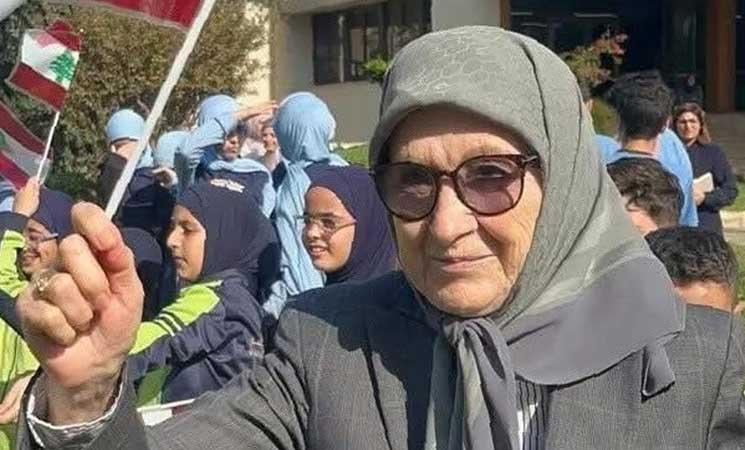
وكالة شهاب الإخبارية likewise says she was “martyred by violent airstrikes… on Friday evening, just before the ceasefire took effect,” and adds that “the martyr’s body remained under rubble for a period due to the massive destruction caused by the Israeli bombing that leveled four residential buildings.”
L’Orient Today places the strike on April 16, 2026 and says it “leveled the neighborhood where she lived in the coastal city of Sour,” describing the discovery of her body “crushed on the bed she had just climbed into.”
The المشهد account says the Israeli army carried out “a fierce raid on the southern Lebanese city of Tyre,” killing “80-year-old Lebanese academic and activist Maha Abu Khalil” “in the final minutes of the ceasefire,” and it also says “Her story ended with an Israeli airstrike on Friday evening.”
Across these accounts, the ceasefire is repeatedly tied to Hezbollah and to a specific duration: the المشهد says it was “for a period of 10 days,” while Anadolu and other sources describe it as beginning “just minutes before” it was announced.
Her Words and Her Past
The sources also emphasize Maha Abu Khalil’s earlier life and the words she left behind, presenting her death as the culmination of a long trajectory that began in the late 1960s.
“London — 'Al-Quds al-Arabi': 'Because I believe in the rights of my country, and because we believe in the rights of our people”
Al-Quds al-Arabi says that “These are the words of Maha Abu Khalil from 56 years ago,” quoting her statement: “Because I believe in the rights of my country, and because we believe in the rights of our people. We believe that we must struggle and continue the struggle.”
It further says she spoke in a press conference in Amman, Jordan “after her release from Greece in August 1970,” and that she told listeners: “And perhaps we will not see the results within two or three years, and perhaps we will not witness them ourselves, but we will continue to struggle and will not stop.”
Anadolu Ajansı describes her as having attempted to hijack an El Al plane at Athens International Airport in Greece in December 1969, saying she did so “along with Sami Fawzi Abud and Issam Salim Doomot,” and that the attempt failed and “they were arrested while attempting to board the plane bound for Rome, which carried 29 passengers.”
وكالة شهاب الإخبارية similarly says she joined the Popular Front for the Liberation of Palestine “specifically within the External Wing under the leadership of the late Wadie Haddad,” and it describes the Athens operation as “in December 1969, when she, along with two companions, attempted to seize a plane belonging to the Israeli El Al in Athens, Greece.”
L’Orient Today, meanwhile, frames her final hours with a warning to family, saying that “just hours after the announcement of a cease-fire in Lebanon,” she had warned her family that “Israel forgets nothing.”
Voices From Mourning and Politics
The death of Maha Abu Khalil is accompanied by explicit statements from the Popular Front for the Liberation of Palestine and by personal recollections and social-media posts cited by outlets.
Anadolu Ajansı says the Popular Front mourned her as “the comrade, the historic, academic and social activist Dr. Maha Abu Khalil, daughter of the town of Al-Qulaylah in the Tyre District,” and it adds that the Front said she “formed a model of the militant woman who combined thought with national commitment and social and educational work.”
It also quotes the Front’s framing of her activism abroad, saying she was “linked early on to the paths of struggle in support of the Palestinian cause,” and that she joined “the Front’s external activities within the historical phase in 1970.”
L’Orient Today includes a family voice through Noma, who says, “If she were here, she would never have let me tell you all of this.”
Anadolu Ajansı adds two social-media voices: it says her cousin Hassan Abu Khalil mourned her on Facebook and wrote, “All things are bought and sold with the same currency except the homeland; it may be bought with treachery, and it cannot be bought except with blood.”
It further says Lebanese activist Dr. Mohammad Naqri wrote on Facebook that “I awaited her morning message every day,” and it repeats the Che Guevara quote attributed to him.
Different Frames of the Same Event
While all the sources describe Maha Abu Khalil’s killing in southern Lebanon around the ceasefire window, they frame her identity and the meaning of her life in sharply different ways.
“The legendary Lebanese militant-activist, Dr”
L’Orient Today describes her as an “octogenarian” and focuses on the immediate circumstances of her death, saying she was “found in pieces” and that the strike occurred “just minutes before the truce between Israel and Hezbollah went into effect,” while it also includes a personal warning to family: “Israel forgets nothing.”
In contrast, Al-Quds al-Arabi frames her as a “Lebanese militant who joined the Palestinian revolution” and describes her as “assassinated by Israel in violent air raids carried out on residential areas in the city of Tyre,” while also presenting her as “among the earliest female fedayeen.”
وكالة شهاب الإخبارية uses explicitly honorific language, calling her “the legendary Lebanese militant-activist, Dr. Maha Abu Khil,” and it describes her as “ascended as a martyr” after “a cowardly Israeli aggression targeted the city of Tyre.”
Anadolu Ajansı presents a profile that emphasizes the Athens operation and legal details, including that the attempt involved “29 passengers,” while also describing her as “assassinated in Lebanon when she was an old woman (Profile).”
The المشهد account centers on the ceasefire and negotiations, saying “negotiations between the two sides are expected to be held to end the war with Hezbollah,” and it describes her as “80-year-old Lebanese academic and activist Maha Abu Khalil.”
Aftermath and What Comes Next
The sources connect Maha Abu Khalil’s death to the broader war timeline and to what they describe as the next phase of negotiations after the ceasefire.
The المشهد account says the ceasefire between Israel and Lebanon “went into effect on Friday evening for a period of 10 days,” and it adds that “negotiations between the two sides are expected to be held to end the war with Hezbollah.”
It also provides a wider escalation timeline, saying Lebanon entered “the furnace of war after Iran-backed Hezbollah fired rockets toward Israeli towns on March 2,” after which “Israel responded with broad bombardments on several areas of the country,” leaving “thousands dead and injured.”
Anadolu Ajansı similarly situates her death in a larger context, stating that “Two days after the Friday attack on the residential building, her body was recovered from the rubble,” and it ties the ceasefire to a “10 days, renewable” period.
It also gives a casualty and displacement snapshot for the preceding assault, saying a “45-day assault on Lebanon that left more than 2,294 dead, 7,544 wounded, and more than a million displaced.”
Al-Quds al-Arabi and وكالة شهاب الإخبارية both frame her death as part of “repeated Israeli wars” and “ongoing bombardment,” with وكالة شهاب الإخبارية saying she remained “steadfast in the city of Tyre during the repeated Israeli wars.”
More on Lebanon
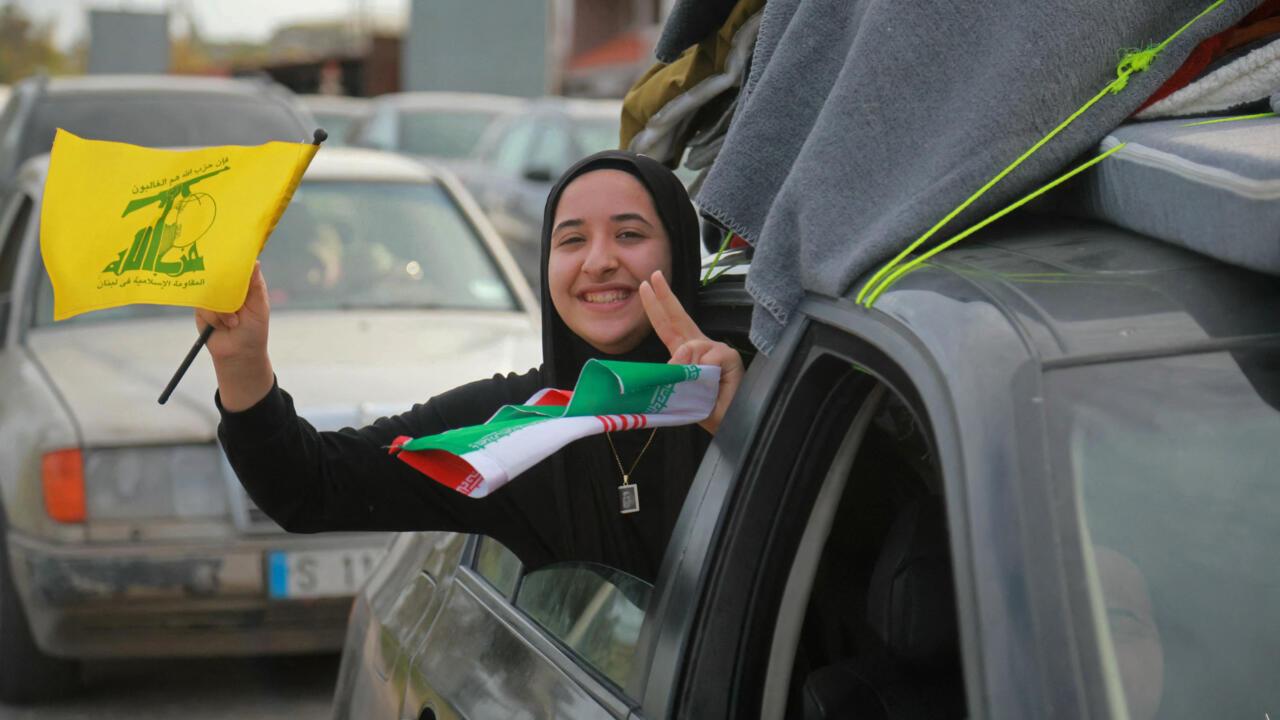
Hezbollah Lawmaker Ibrahim Al-Moussawi Says Joseph Aoun Remarks Would Be a Catastrophe
12 sources compared
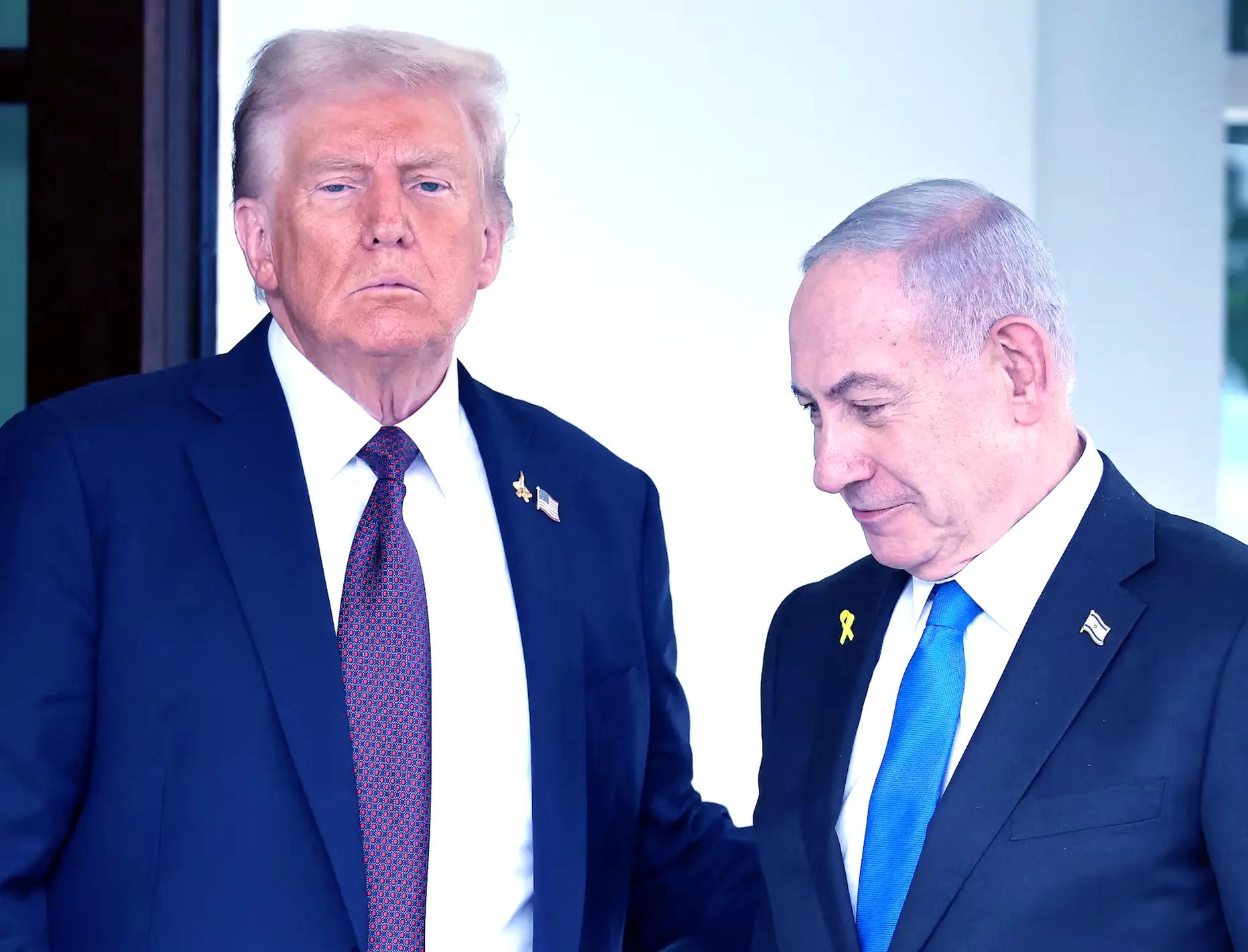
Trump Urges Netanyahu To Limit Lebanon Strikes To Surgical Actions As Ceasefire Falters
14 sources compared

Hezbollah Targets Two Merkava Tanks Near Al-Qantara After Missile Attack From Lebanon
20 sources compared

Lebanon Detains Ashraf Dabbour At Beirut’s Rafik Hariri International Airport On Corruption Charges
11 sources compared