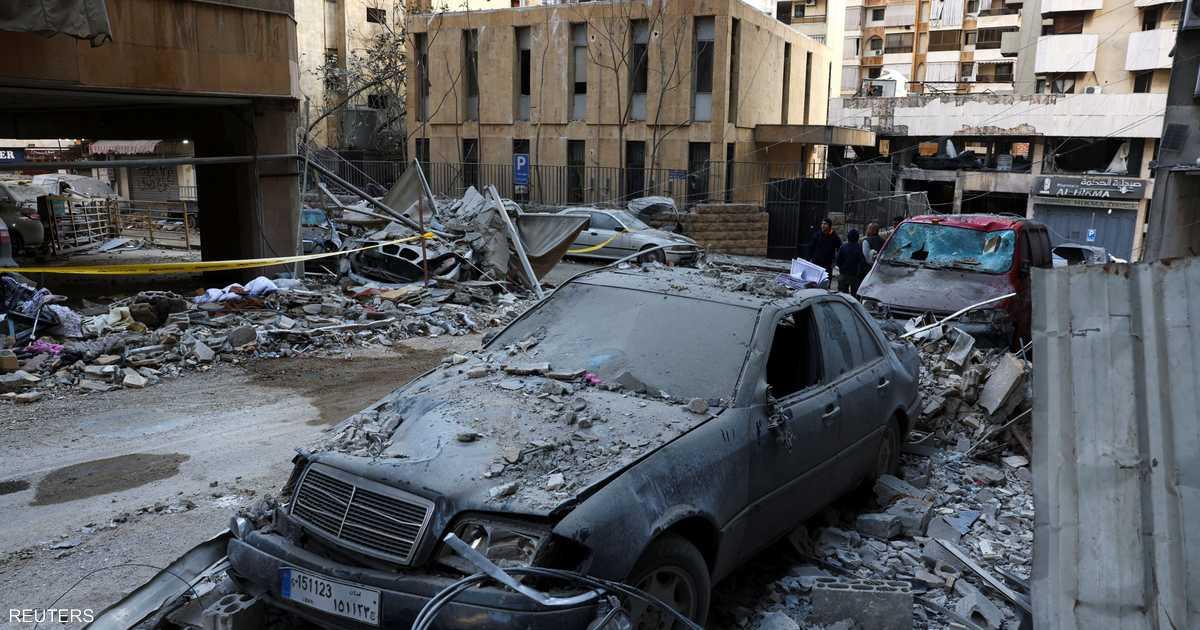
Israeli Strikes Kill At Least 24 People Across Lebanon Despite Ceasefire
Key Takeaways
- Israeli airstrikes across southern Lebanon killed at least 24 people.
- Attacks struck multiple towns in southern Lebanon, including al-Saksakieh.
- Casualty figures vary: some outlets report 24; others cite higher tolls.
Strikes kill across Lebanon
Israeli strikes across Lebanon killed at least 24 people despite a United States-brokered ceasefire that was in its third week, according to Oz Arab Media.
The Lebanese Ministry of Public Health said an Israeli attack on the town of al-Saksakieh in the southern Sidon district killed at least seven people, including a child, and wounded 15, including three children.

BBC reported that Lebanon’s health ministry said 39 people were killed in another day of intense Israeli strikes, with one Israeli strike on the southern town of Saksakiyeh killing at least seven people, including a child.
The BBC also said the Israel Defense Forces (IDF) stated it was targeting Lebanese armed group Hezbollah and was "aware of reports regarding harm to uninvolved civilians".
In Nabatieh, the BBC said an Israeli strike on a motorbike hit "a Syrian national and his 12-year-old daughter" after the drone attacked a second time and then targeted the girl directly for a third time.
Hezbollah, IDF trade fire
As Israeli strikes continued, Hezbollah said it targeted troops in northern Israel with drones on at least two occasions in response to continued strikes, while the Israeli military said "several" explosive drones were launched into Israeli territory.
RTE.ie reported that one army reservist was severely wounded and two others moderately injured in one of the attacks, and it also said the health ministry condemned the "barbaric" attack.

In Saksakiyeh, the health ministry said the raid "resulted in an initial toll of seven martyrs, including a girl, and 15 wounded, including three children," while the Israeli military said it struck "Hezbollah terrorists operating from within a structure used for military purposes".
The BBC said Hezbollah and Israeli forces continued to trade fire since US President Donald Trump announced a ceasefire deal between the governments of Israel and Lebanon on 16 April.
In the same BBC account, the IDF said it struck "Hezbollah terrorists operating from within a structure used for military purposes" and added that details of the incident were under review.
Talks loom, humanitarian access
The intensified attacks came a day after the United States announced it would mediate a second round of talks between Israel and Lebanon on May 14-15 in Washington, D.C., according to الالبيادر السياسي.
Lebanese authorities insisted that Israeli forces must halt strikes before negotiations can proceed, and the U.S. State Department said the talks would lead to a comprehensive peace and security agreement that addresses the core concerns of both sides, as described by الالبيادر السياسي.
France 24 reported that the Israeli army issued an urgent evacuation warning for eleven towns, some north of the Litani River, expanding the scope of its operations despite the fragile ceasefire with Hezbollah.
France 24 also quoted the Israeli army spokesman Avichay Adraï posting on X: "For your safety, you must immediately evacuate your homes" and stay away from the villages and towns for a distance of at least 1,000 meters.
In parallel, France 24 said the Lebanese Health Ministry renewed its condemnation of repeated strikes on medical facilities, citing Article 19 of the Geneva Convention that requires medical facilities be safeguarded from the dangers of attacks in conflict zones.
More on Lebanon
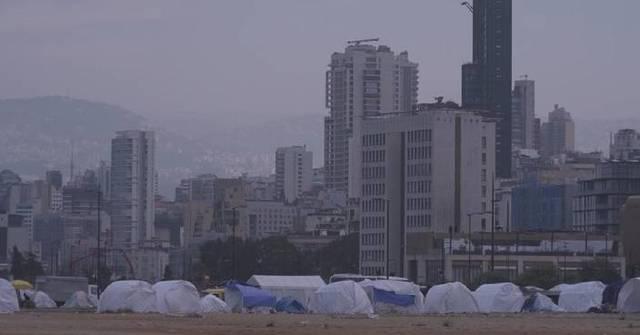
EU Crisis Chief Hadja Lahbib Says Israeli Activity Restricts Humanitarian Aid Access in Lebanon
12 sources compared
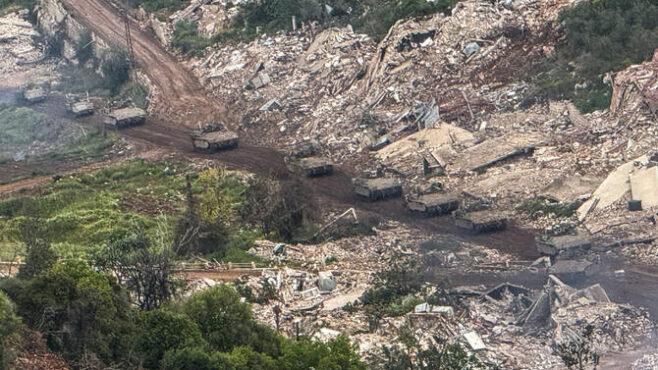
Israeli Attacks Across Lebanon Kill At Least 24, Lebanese Health Ministry Says
16 sources compared
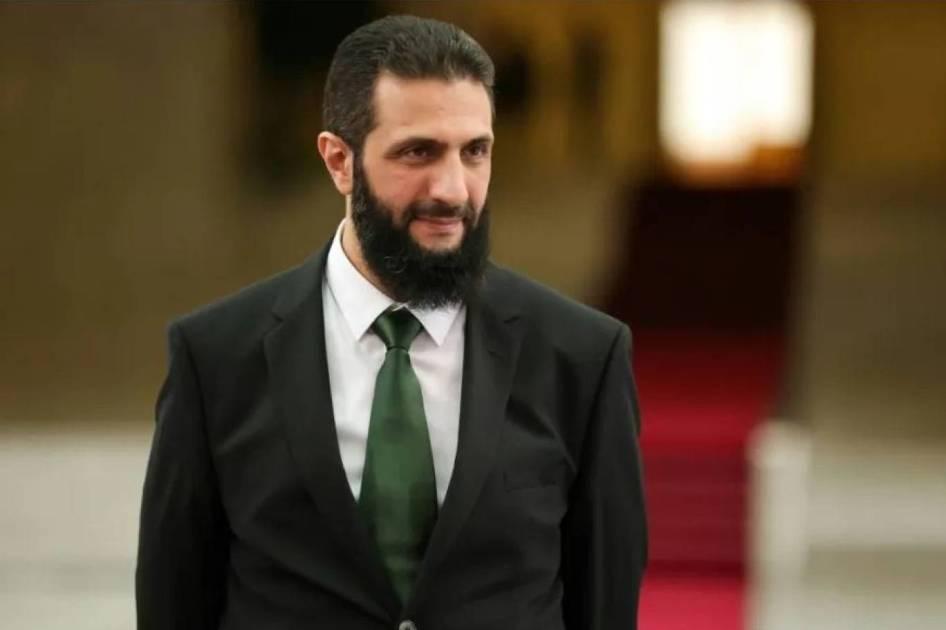
Ahmed Al-Sharaa Announces Syria Government Reshuffle, Appoints Khaled Zaarour as Information Minister
12 sources compared
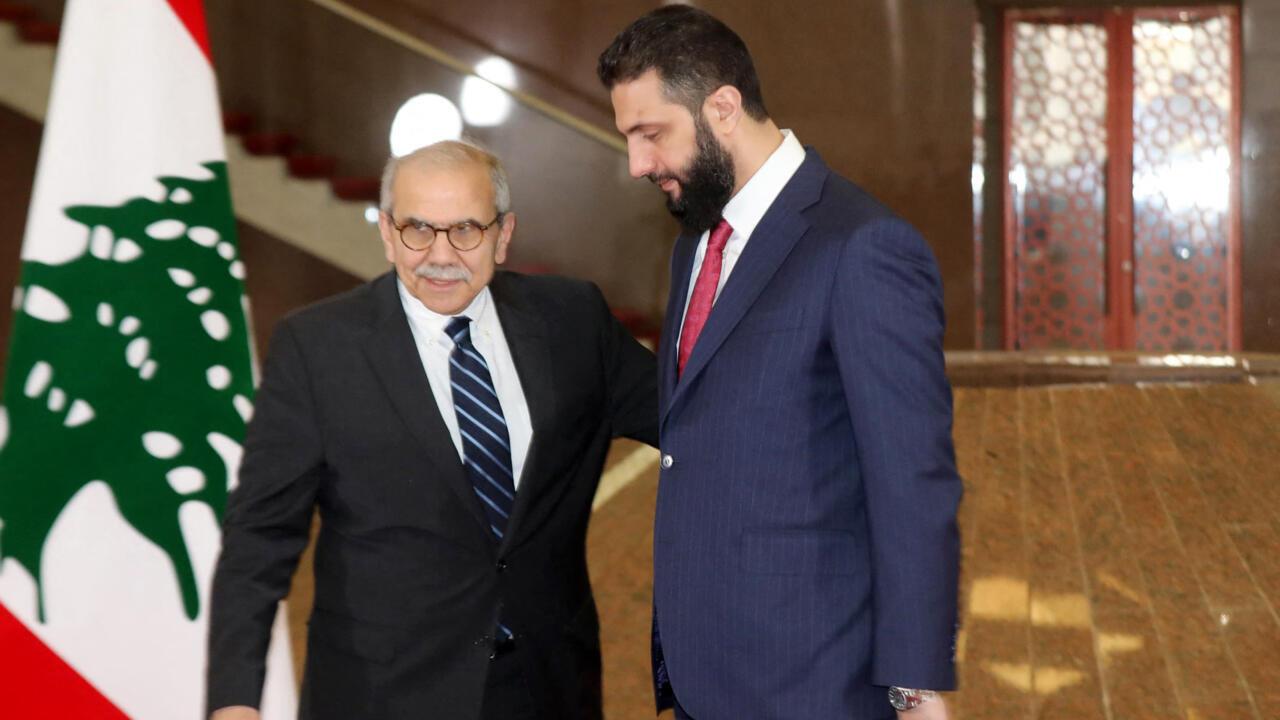
Nawaf Salam Meets Ahmed al-Sharaa in Damascus, Says Significant Progress on Security and Transport
24 sources compared