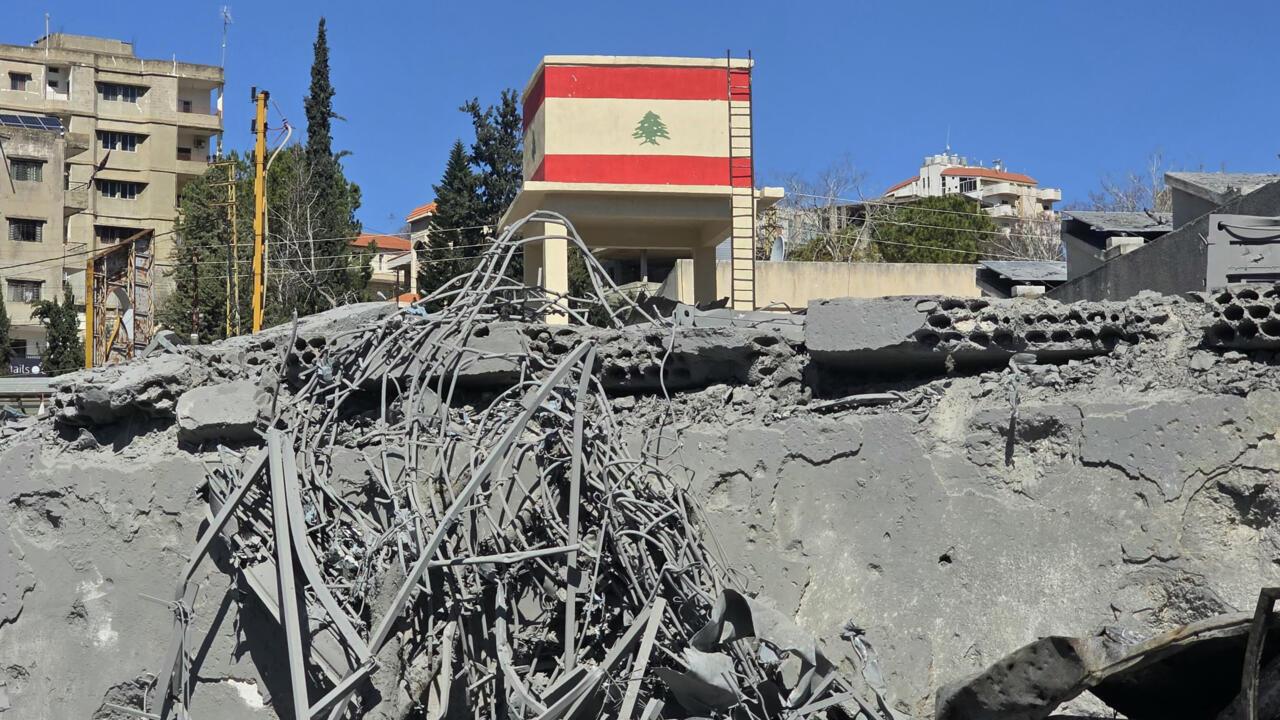
Israeli Strikes Kill At Least Nine In Southern Lebanon Despite Ceasefire
Key Takeaways
- Israeli strikes continued in southern Lebanon despite the ceasefire.
- Casualties reached at least nine, including two children.
- Residential buildings and rescue workers were among those killed.
Ceasefire, then strikes
Israeli strikes on southern Lebanon continued even as a ceasefire entered its second week, with the BBC reporting that at least nine people, including two children, were killed in Israeli strikes on Thursday and that the health ministry said the strikes also wounded 23 people, including eight children and seven women.
The BBC said Israel told it was targeting Hezbollah infrastructure, while Hezbollah said it carried out attacks on Israeli forces in the south, including a drone strike targeting soldiers in the Bint Jbeil district.
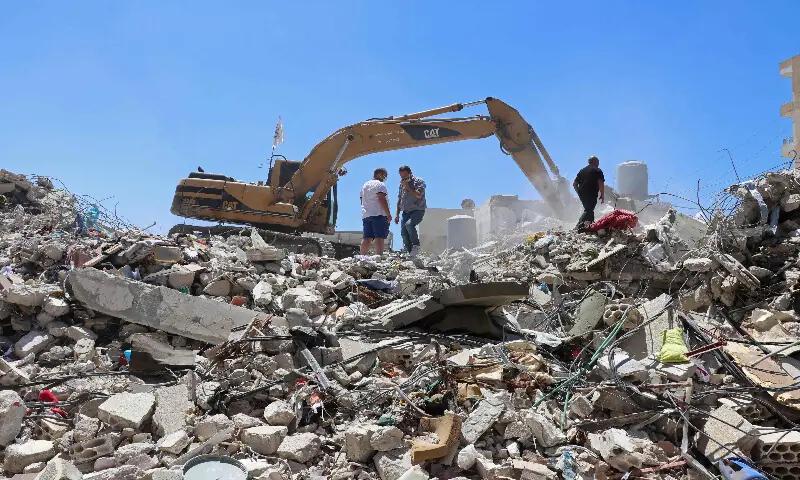
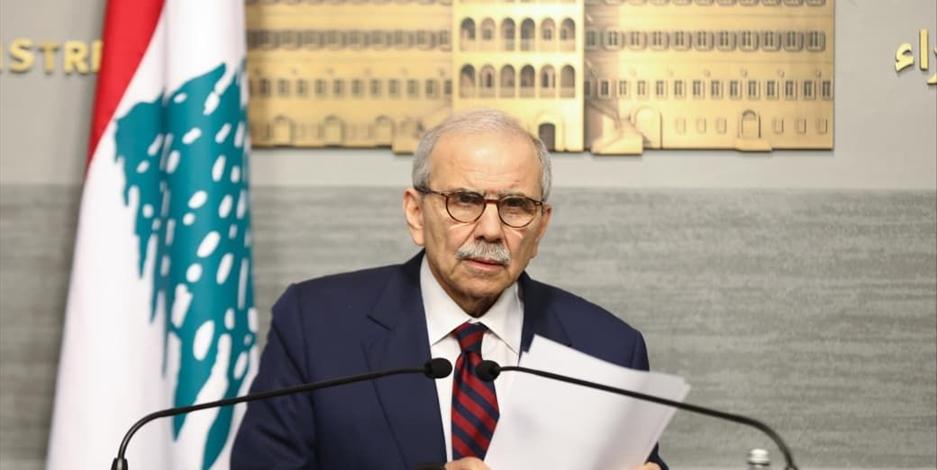
The BBC reported that Lebanese President Joseph Aoun criticised what he described as “continuing Israeli violations” of the truce, saying strikes and demolitions of homes and places of worship were ongoing “despite the ceasefire”.
The BBC added that on Thursday the Israeli military issued evacuation warnings for 15 villages in southern Lebanon, noting that many were outside what Israel designated as the “Yellow Line” extending roughly 10km (6 miles) from the border.
The BBC said the US-mediated ceasefire permits Israel to respond to what it describes as “planned, imminent or ongoing attacks,” while Hezbollah rejects this part of the agreement.
The BBC also reported that while the truce largely halted strikes on Beirut and its southern suburbs, fighting persisted elsewhere in the south with continued air raids and repeated evacuation orders.
Death tolls and targets
Al Jazeera reported a higher death toll from Israeli attacks on southern Lebanon despite the ceasefire, saying Israeli attacks had killed at least 28 people according to the country’s National News Agency (NNA).
It described specific incidents across multiple municipalities, including that in Jebchit four people were killed and nine others wounded in an attack that destroyed a residential building, and that in Toul four people were killed and six wounded.

Al Jazeera also said later on Thursday another Israeli attack hit a home in Toul, killing one person and injuring two others, while in Harouf two people were killed and the attack destroyed a house.
In Qana, Al Jazeera said two people were killed in an Israeli air raid, and it reported that a Lebanese soldier and several members of his family were killed in an Israeli air raid targeting their home in Kfar Rumman in the Nabatieh district.
Al Jazeera further reported that in Zebdine an Israeli drone attack killed six people near the town’s cemetery, and in Qlawiyah in Bint Jbeil district one person was killed in Israeli air strikes.
It also stated that Israel’s military said one of its soldiers from the Golani Brigade was killed in southern Lebanon, and that the Times of Israel, citing the Israeli military, said the soldier was killed when Hezbollah launched several explosive-laden rockets at Israeli troop positions in the village of Qantara.
Al Jazeera said Israeli forces intensified their attacks in southern Lebanon over recent days and that in the past 24 hours Israeli air attacks killed more than 20 people, with more than 70 others, including children, injured in the attacks.
Rescue workers hit
Euronews reported that Israeli strikes on Tuesday killed eight people, including three rescue workers, in southern Lebanon, citing Lebanon's health ministry.
“Israeli attacks on southern Lebanon have killed at least 28 people, according to the country’s National News Agency (NNA), despite a temporary United States-mediated “ceasefire””
It said the ministry described the “Israeli enemy's air raid on the town of Majdal Zoun... has in a preliminary toll killed five martyrs,” including “three paramedics from the Lebanese civil defence who were trapped under the rubble after a strike that targeted them while they were carrying out a rescue mission”.
Euronews reported that the ministry later added that another two people were killed and 13 injured in an Israeli strike in the town of Jebchit, while one person was killed and 15 were hurt, including five children and five women, in a separate Israeli strike on Jwaya.
It also said Lebanon's army reported two of its troops were wounded “as a result of a hostile Israeli targeting of an army patrol,” and that the statement was the first time the Lebanese army had said its troops had been targeted since the truce began.
Ici Beyrouth reported a similar episode, saying “six people, including three Civil Defense rescuers, were killed on Tuesday by Israeli strikes in southern Lebanon,” and that five of the people killed were killed during Israeli strikes on a building in Majdel Zoun and then during the rescue operation.
Ici Beyrouth quoted the Civil Defense saying its three members died in Majdel Zoun under the rubble after the Israeli strike on a building, and it said President Joseph Aoun stated, "Israel continues to violate the laws and conventions that protect civilians,".
The two outlets also tied the deaths to rescue operations, with Euronews saying the paramedics were trapped while carrying out a rescue mission and Ici Beyrouth saying the rescuers were taking part in a rescue and emergency intervention mission for wounded from an Israeli air strike.
Tunnel claims and political fault lines
Alongside casualty reports, multiple outlets described Israel’s claims of destroying Hezbollah infrastructure and the political messaging around the ceasefire.
Euronews said Israel’s military announced that troops in Qantara found "two Hezbollah terror tunnels, constructed over approximately a decade" that stretched two kilometres, using "over 450 tonnes of explosives" to demolish them, and it quoted an Israeli military source describing the tunnels as running under civilian infrastructure including “a school and a mosque.”
Euronews reported that Prime Minister Benjamin Netanyahu said, "Today we blew up a huge Hezbollah terror tunnel," and that Defence Minister Israel Katz said the army has been instructed to destroy any Hezbollah infrastructure it finds, “just like in Gaza.”
Ici Beyrouth similarly reported that the Israeli army announced it had discovered and destroyed two Hezbollah tunnels, totaling two kilometers in length, at the border between the two countries, used, they say, by Hezbollah's elite units, and it quoted Netanyahu saying, "We are destroying their terrorist infrastructure, we are killing several of their terrorists — and we are not finished yet,".
In parallel, the BBC described political divisions in Beirut over what comes next, saying President Aoun backed direct, face-to-face talks and that Parliament Speaker Nabih Berri, an ally of Hezbollah, opposed direct talks and warned they carry risks.
The BBC also reported that Aoun said the ceasefire should evolve into a more “permanent agreement,” while Berri took a sharply different stance.
Al Jazeera added that Parliament Speaker Nabih Berri called for “the swift formation of an international fact-finding committee on the crimes of the Israeli occupation” and quoted Aoun denouncing “continuing Israeli violations” occurring “despite the ceasefire, as do demolitions of homes and places of worship, while the number of killed and wounded rises day after day”.
What comes next
The reporting also points to what each side says will happen next, including evacuation threats, negotiation demands, and international mechanisms.
The BBC said the fragile truce has exposed political divisions in Beirut over what comes next, with President Aoun backing direct, face-to-face talks and saying the ceasefire should evolve into a more “permanent agreement,” while Parliament Speaker Nabih Berri opposed direct talks and warned they carry risks.

Al Jazeera reported that Lebanon’s President Joseph Aoun asked the US for a date for negotiations to restart but said Israel must fully implement the ceasefire, and it quoted Al Jazeera’s Malcolm Webb saying “The Lebanese government, Israel and the US have sought to distance the talks from the US talks with Iran.”
It also said the Lebanese authorities approved a plan to disarm Hezbollah under U.S. pressure in the DW report, with the plan for the Lebanese army to complete disarmament south of the Litani River, about 30 kilometers from the border with Israel, by the end of 2025.
DW said a ceasefire monitoring committee comprising Lebanon, Israel, the United States, France, and the United Nations peacekeeping force (UNIFIL) is scheduled to meet on Wednesday, and it said the Lebanese cabinet would hold a session on Thursday to review progress.
In the same DW account, Israel urged residents to evacuate four villages and stay away from targets at a distance of no less than 300 meters, and it said the Israeli army said it is attacking targets belonging to Hezbollah and the Palestinian Hamas movement.
Meanwhile, Euronews and Ici Beyrouth both described ongoing Israeli evacuation orders and the continued exchange of blame over violations, with Euronews quoting Lebanese President Joseph Aoun denouncing “Israel continues to violate international laws and conventions that protect civilians”.
More on Lebanon
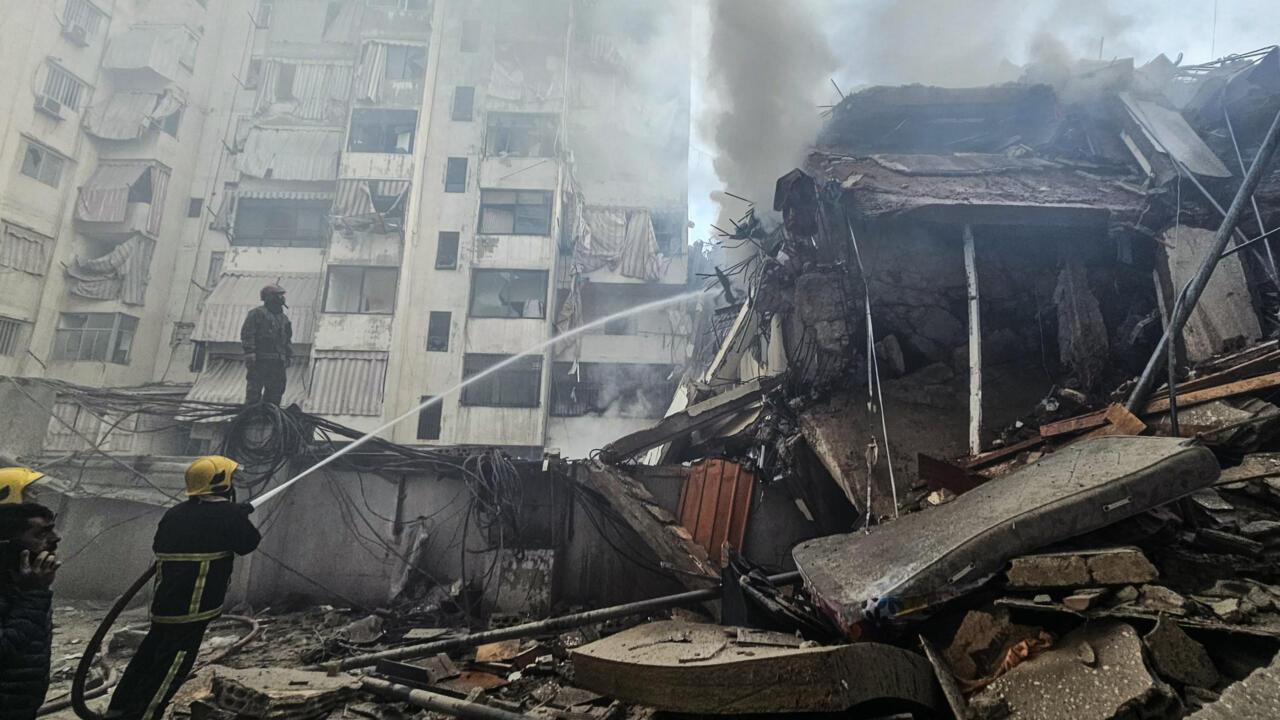
Israeli Attacks Kill At Least 28 In Southern Lebanon Despite U.S.-Mediated Ceasefire
25 sources compared

US Embassy Urges Joseph Aoun To Meet Benjamin Netanyahu During Lebanon Ceasefire
13 sources compared

Trump Says Lebanon-Israel Direct Talks Will Start Within Two Weeks
18 sources compared
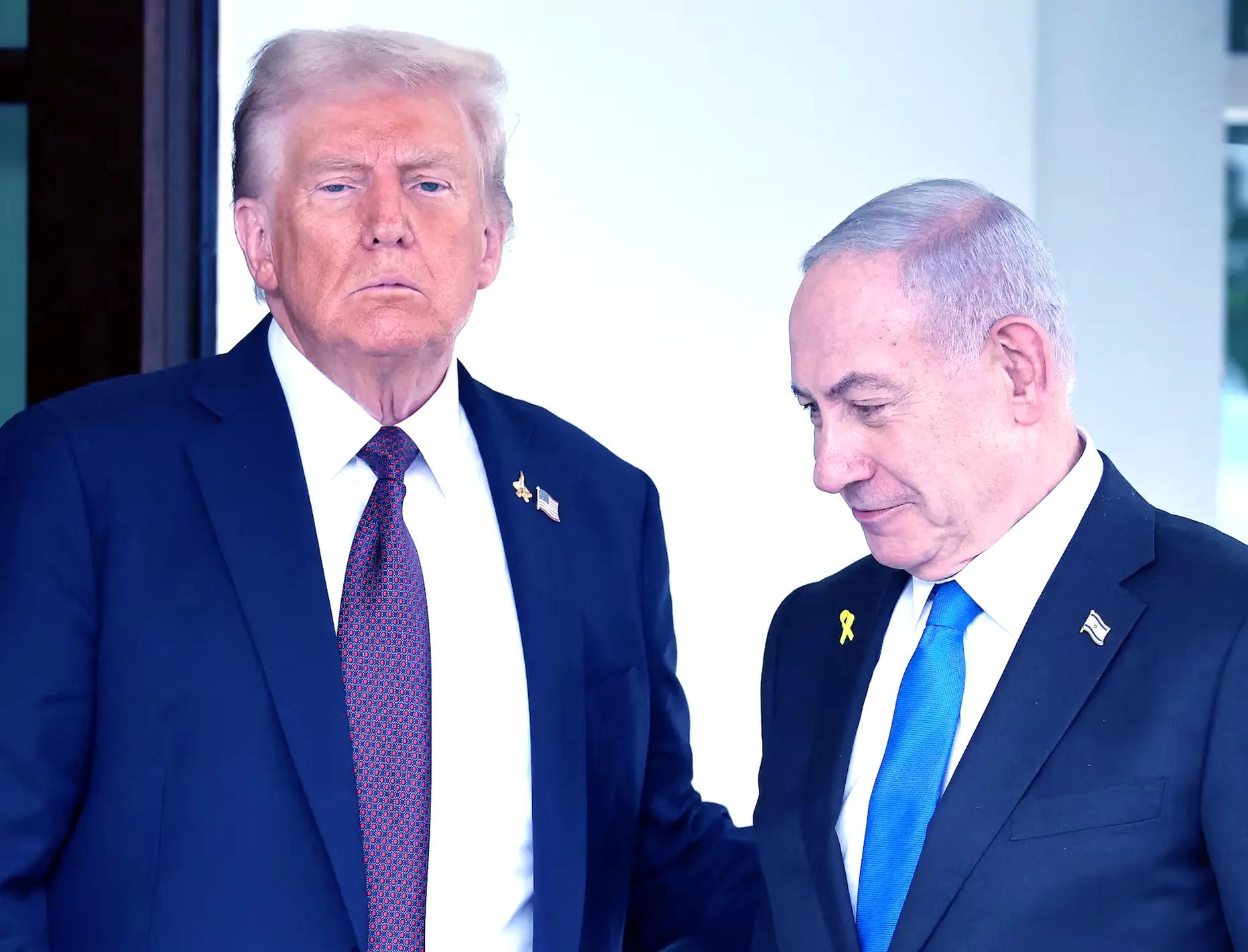
Trump Urges Netanyahu To Limit Lebanon Strikes To Surgical Actions As Ceasefire Falters
14 sources compared