Israeli Tanks Destroy Up To 80% of Gaza Vehicles, Worsening Health Risks
Key Takeaways
- Destruction of bulldozers and other heavy vehicles hampers rescue operations.
- Heavy equipment and municipal vehicles targeted, undermining Gaza's logistics.
- Strikes against life hinder daily livelihoods and health.
Vehicle Destruction
Between 70% and 80% of the more than 80,000 registered vehicles in the Gaza Strip have suffered partial or total destruction.
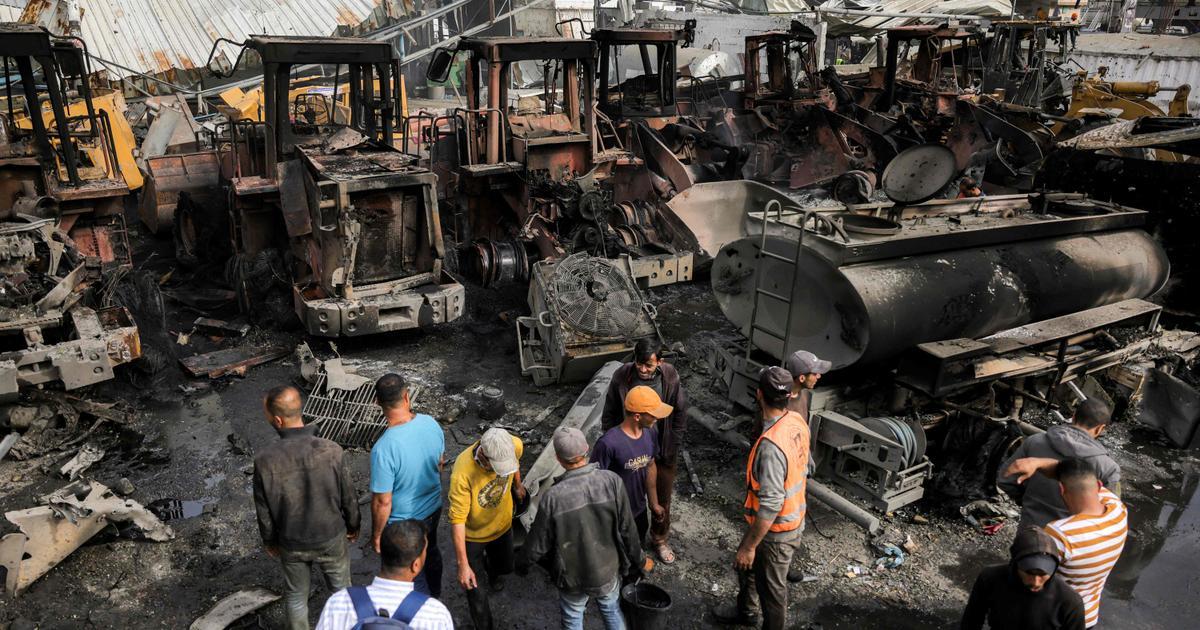
“The destruction in the Gaza Strip is no longer limited to buildings and infrastructure; it has extended to the lifelines of daily life, where tens of thousands of vehicles have become charred wrecks scattered in the streets, a scene that reflects a systemic collapse that worsens the environmental, health, and living crises for the residents”
Vehicles were not only burned but also directly crushed by occupying forces' tanks.

The spread of charred vehicles in the streets has caused paralysis on several main roads.
The unorganized accumulation of damaged vehicles has created additional challenges as metal frames have become magnets for waste.
These vehicles have become a fertile environment for the proliferation of rodents and insects.
Official health warnings about the spread of serious diseases put residents at direct risk.
Bulldozer Destruction
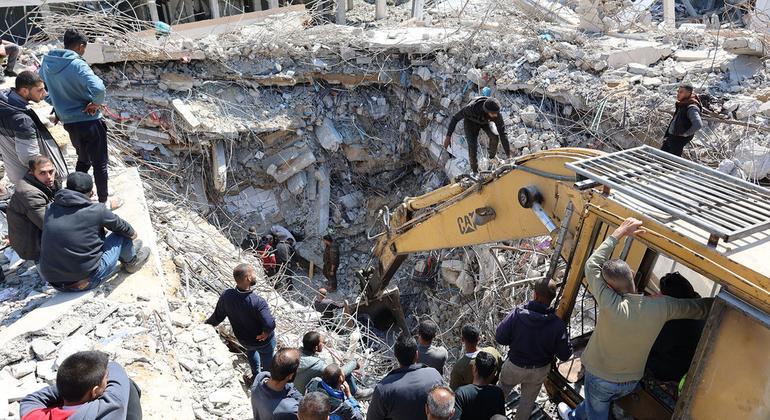
Israeli airstrikes destroyed essential heavy equipment, including bulldozers.
This paralyzed rescue operations and made access to roughly 11,000 bodies still trapped under the rubble more difficult.
The destruction of bulldozers ended all solid waste and debris removal operations.
The UN estimates that about 92% of Gaza's residential buildings have been damaged or destroyed.
Nearly 50 million tons of debris have been generated.
The delay in clearing debris threatens to become a health and environmental catastrophe.
Israeli Strikes on Vehicles
Israel broadened its targets to include the few vehicles and heavy equipment that remained.
“Gaza: the destruction of bulldozers interrupts the search for bodies under the rubble”
The strikes put all these vehicles out of service, including ten Egyptian bulldozers.
The Israeli army justified the strikes by explaining that Hamas could use the vehicles for terrorist actions.
A Gaza-based journalist said these vehicles were essential to rescue operations and basic public services.
Saadi Dabbour said: These are not only strikes targeting equipment; they are strikes against life itself.
More on Gaza Genocide

UN Places Israel On Blacklist For Conflict-Related Sexual Violence After Patten Gets No Response
10 sources compared

Trump’s Gaza Board of Peace Fund Receives Zero Dollars, Rebuilding Plans Stall
17 sources compared

WAN-IFRA Honors AFP, AP, and Reuters Gaza Journalists With 2026 Golden Pen in Marseille
11 sources compared

Israeli Drone Strikes Kill Palestinians in Al-Mawasi and Gaza City During Eid al-Adha
12 sources compared