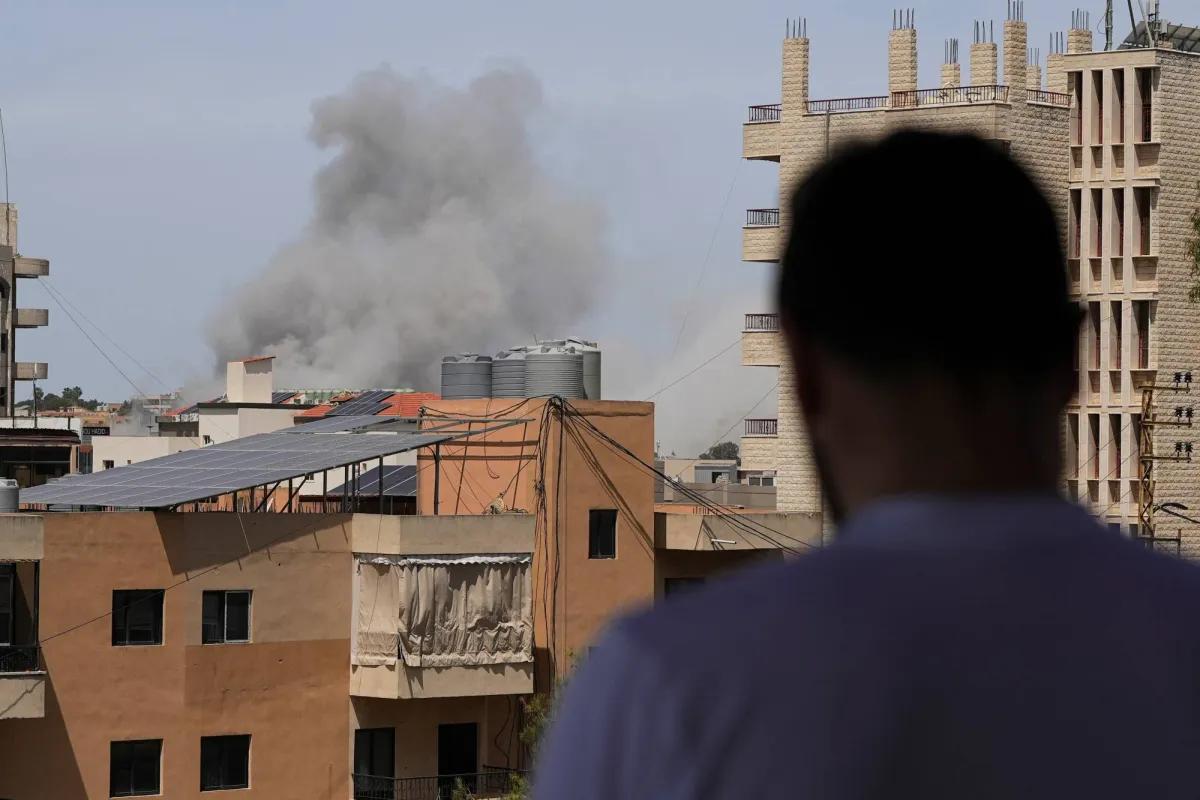
Israeli Troops Clash With Hezbollah Near Litani, Wounding Eight Soldiers
Key Takeaways
- Clashes persisted near the Litani River despite a temporary ceasefire.
- Israeli incursion north of the Litani described as deepest inside Lebanon.
- Fighting escalated amid ceasefire violations in southern Lebanon.
Litani clashes and casualties
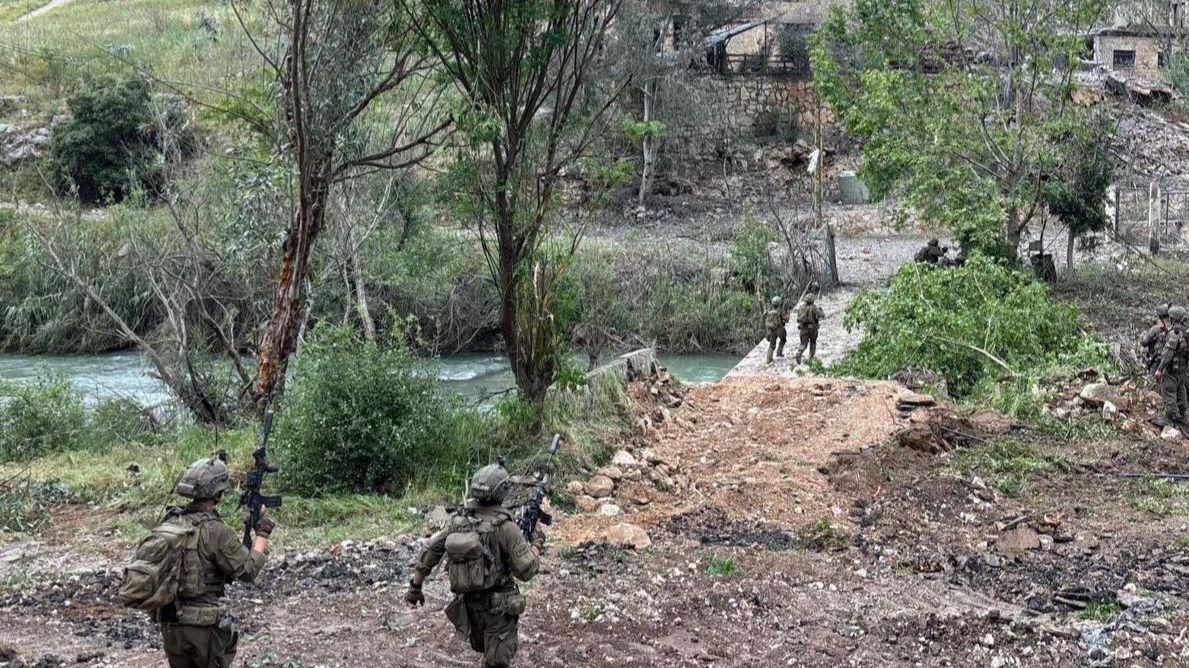
Israeli troops crossed the Litani River toward the outskirts of Zawtar al-Sharqiyah, a village about 10 kilometers from the Israeli border, and clashes with Hezbollah wounded eight Israeli soldiers in three direct, close-range encounters, according to Israeli media.
“Israeli Strikes in Lebanon Kill 39 Amid Continued Clashes With Hezbollah At least 39 people were killed in a fresh wave of Israeli strikes across Lebanon, according to the Lebanese health ministry, as tensions between Israel and Hezbollah continued despite an earlier ceasefire announcement”
Middle East Monitor said the operation to “neutralize rocket launchers” lasted about a week, while i24NEWS described Golani Brigade combat troops completing an operation to gain operational control of the Litani River area in southern Lebanon and reaching “one of the deepest points to date.”
i24NEWS said Hezbollah elements emerged from a tunnel opening during the special operation, with some “killed on the spot and others fled,” and it added that the air force attacked more than 100 combat targets supporting Israeli forces in the area.
The same i24NEWS report said that since the start of ceasefire understandings, the Air Force has attacked more than 1,100 Hezbollah targets in south Lebanon, and it stated that more than 350 militants have been killed.
In a separate development, Naharnet reported that Israeli strikes on Lebanon have killed 380 people since a nominal ceasefire began on April 17, and it quoted a ministry official saying “380 people, including 22 children and 39 women, have been killed in strikes on Lebanon since the ceasefire came into effect.”
Airstrikes hit homes
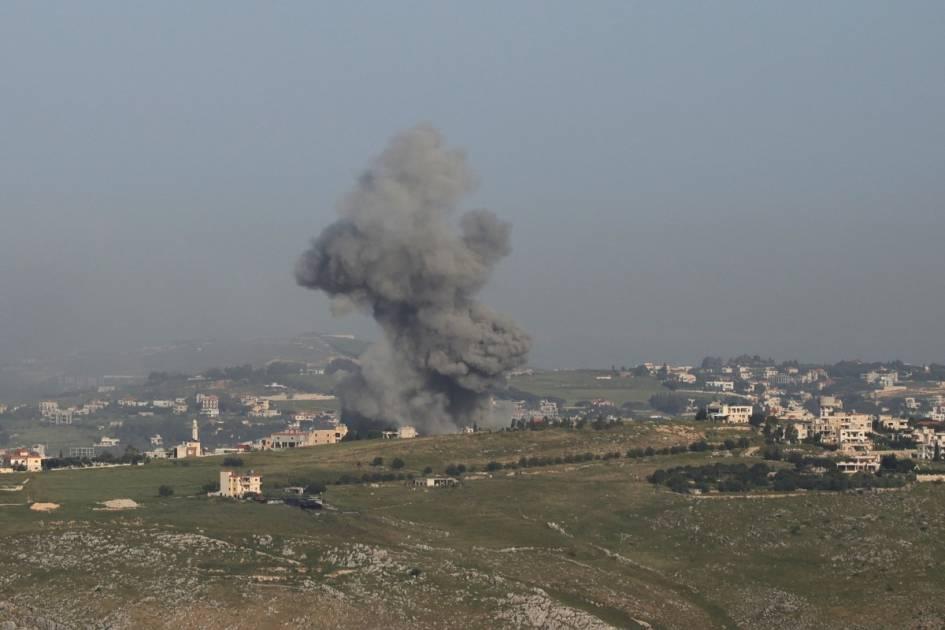
Lebanese state media reported that Israeli airstrikes killed six people and injured seven others after strikes targeted southern Lebanon late Monday, with the National News Agency saying the attacks hit a residential house in Kfar Dounine about 95 kilometres from Beirut.
The Sunday Guardian framed the strikes as continuing despite an April 17 ceasefire agreement, and it said Lebanese health authorities reported more than 2,800 people have died since Lebanon became involved on March 2.
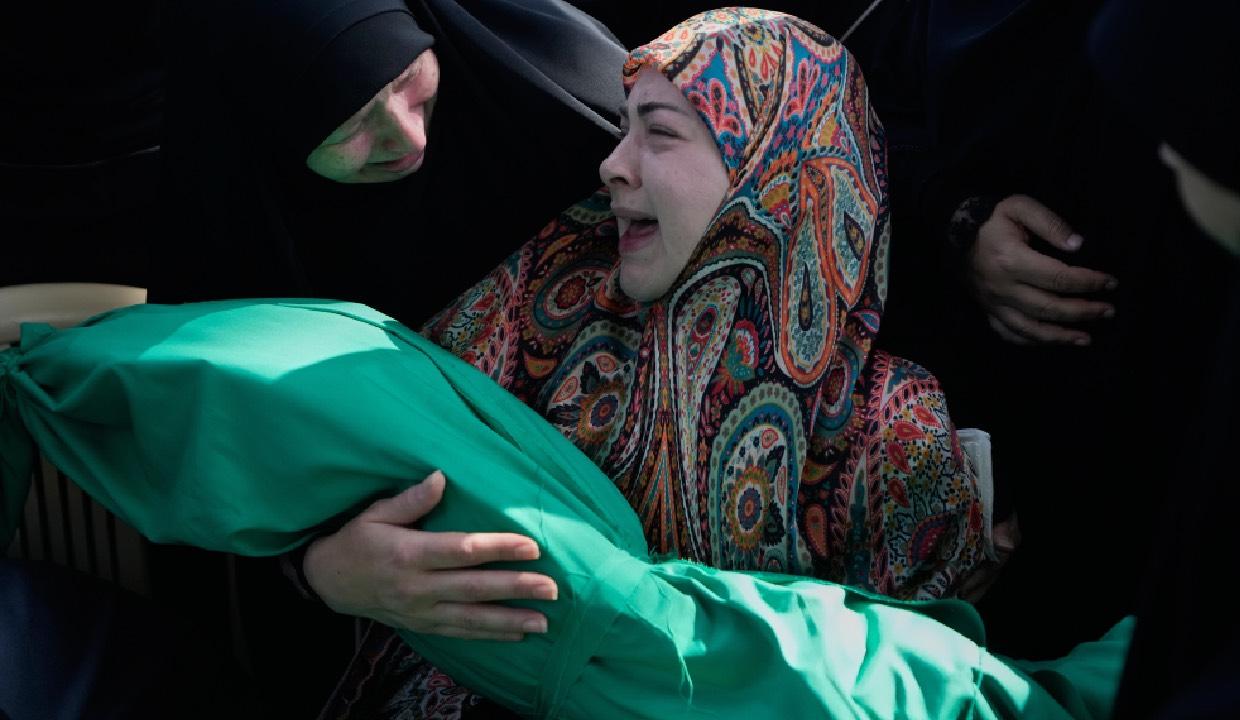
In another account, Daily Pioneer said Israeli strikes across Lebanon killed 39 people, with one of the deadliest attacks targeting the southern Lebanese town of Saksakiyeh where an Israeli strike killed at least seven people including a child and injured 15 others.
Daily Pioneer also reported that in Nabatieh, a Lebanese health ministry said an Israeli drone strike targeted a Syrian man riding a motorbike with his 12-year-old daughter, and it added that the drone then carried out a third strike targeting the injured girl directly.
Naharnet reported that strikes targeted Tuesday afternoon al-Henniyyeh, Kherbet Selem, Qsaybeh, Harees, Tayrdebba, and Ras al-Ain south of Tyre, and it said the strike on a motorbike on the Tayrdebba road killed a Syrian citizen and his wife, according to the National News Agency.
War aims and next phase
Asharq Al-Awsat quoted Brig. Gen. (ret.) Saeed Qazah saying that “the Israeli withdrawal from the buffer zone defined by what is known as the Yellow Line in southern Lebanon will not happen easily, or unilaterally,” and it added that he linked any withdrawal to “clear security understandings.”
“Creating new perspectives since 2009 May 12, 2026 at 1:02 pm Israeli soldiers guard during an a IDF embedded media tour to Southern Lebanon on October 13, 2024 near Naqoura, Lebanon”
In the same report, Brig. Gen. (ret.) Naji Malaab argued that Israel’s aims go beyond destruction, saying “the main objective consists of three things,” including fixing a “yellow zone” that extends to the sea opposite Naqoura and stripping Lebanon of rights to the Qana field.
Malaab also said the intention includes annexing areas toward the Litani River watershed, and he argued that when Netanyahu speaks of a region extending from the sea to Mount Hermon, it means expanding control to cover the entire area “including zones not considered part of Hezbollah’s environment.”
Middle East Monitor said that despite a temporary ceasefire announced on April 17 and extended until May 17, the Israeli army continues daily strikes in Lebanon and widespread demolition of homes in dozens of villages in southern Lebanon.
Naharnet reported that under the terms of the truce released by Washington, Israel reserves the right to act against “planned, imminent or ongoing attacks,” and it said Israeli troops have been operating behind a so-called “yellow line” that runs around 10 kilometers north of the border.
More on Lebanon
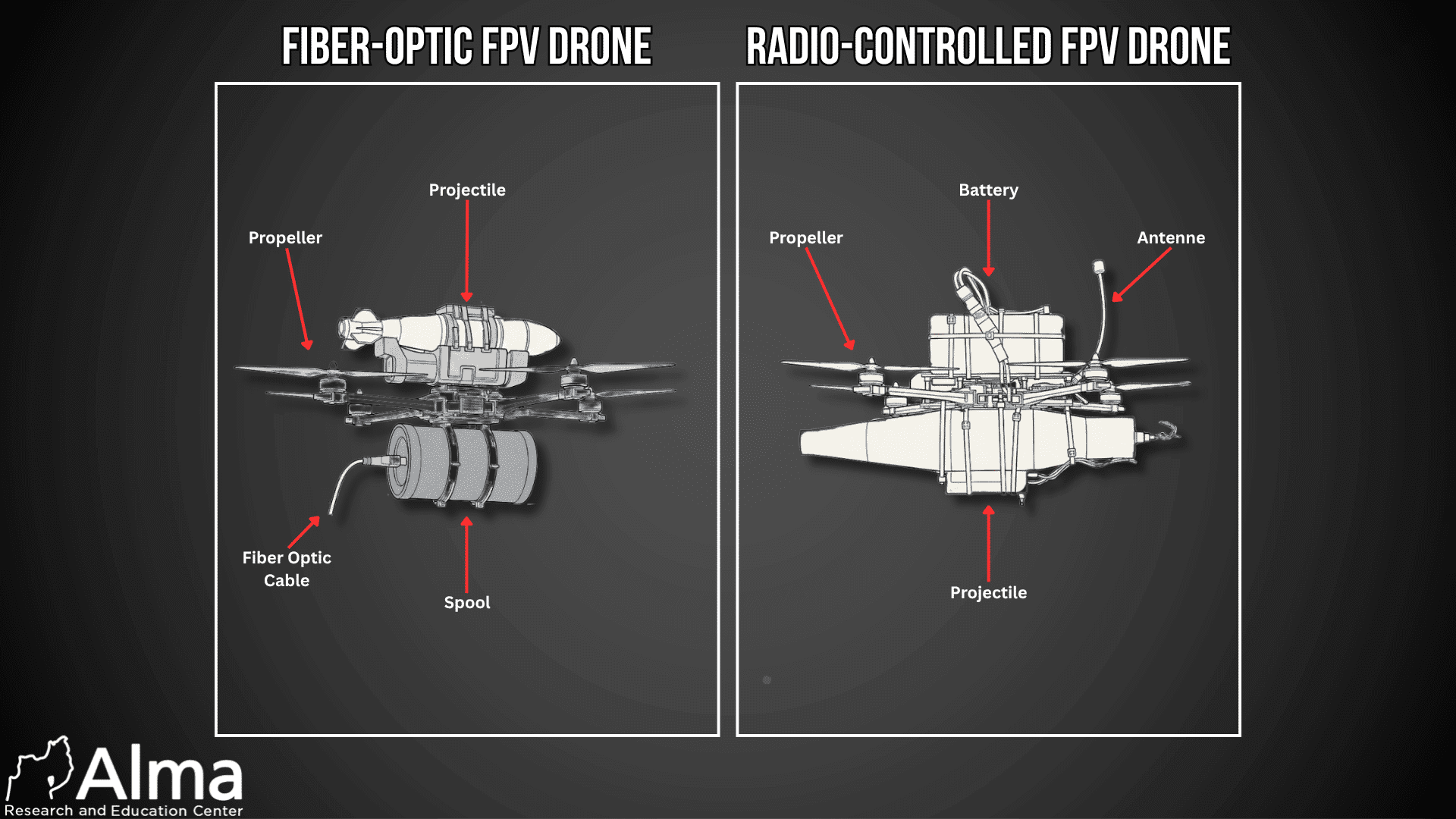
IDF Kills Dozens in Weeklong Raid on Hezbollah Sites Beyond Lebanon’s Litani River
12 sources compared

Israeli Military Kills Six in Air Raid on Kfar Dounin, Issues Further Displacement Threats
10 sources compared
Conflicts and Violence Drove 32.3 Million New Internal Displacements in 2025, IDMC and NRC Say
11 sources compared
Israeli Strikes Kill Six In Kfardounine, Wound Seven, Lebanon’s NNA Says
17 sources compared