Full Analysis Summary
Child malnutrition in Gaza
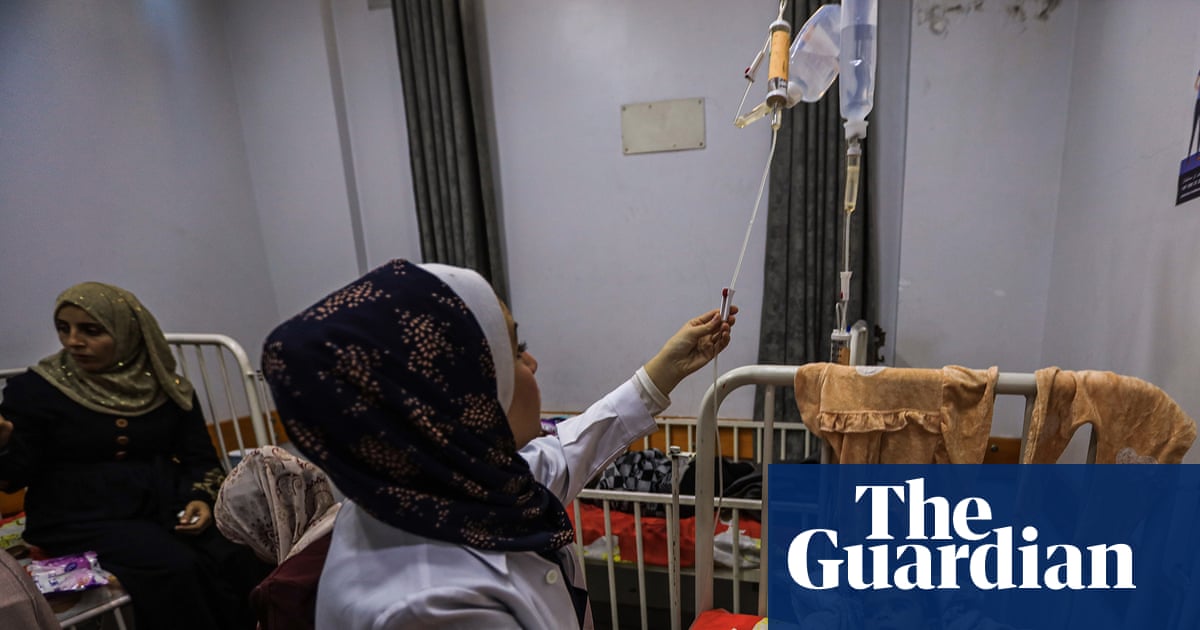
In October, more than 9,000 children in Gaza were hospitalized with acute malnutrition as severe restrictions and controls on humanitarian aid persisted, underscoring the immediate human cost of Israel’s restrictions on aid into the territory.
New UN data recorded that surge in child hospitalizations.
Al Jazeera reported nearly 9,300 children under five identified with acute malnutrition.
UN agencies including UNICEF said aid into Gaza has risen since the height of the war but remains far short of needs.
The humanitarian shortfall exists even though some bilateral and commercial shipments have increased, but those supplies remain largely unaffordable for people who have had no income for over two years.
The preceding sentences summarize UN hospitalization figures and the wider aid shortfall reported across sources.
Coverage Differences
Emphasis and numeric framing
Dagens (Other) foregrounds the UN hospitalization figure — “more than 9,000 children ... hospitalized for acute malnutrition in October” — as the immediate humanitarian indicator. Al Jazeera (West Asian) emphasizes both the nearly 9,300 figure for children under five and situates malnutrition within repeated ceasefire breaches and a broader death toll, reporting “nearly 9,300 children under five were identified with acute malnutrition” and linking it to prior blockade-caused famine. The Guardian (Western Mainstream) focuses on aid flow metrics and administrative controls, noting that “aid into Gaza has risen ... but remains far short of needs.” Each source reports related facts but chooses different focal points: raw hospitalization numbers (Dagens), malnutrition among under-fives and political context (Al Jazeera), and operational aid shortfalls and bureaucracy (The Guardian).
Aid delivery constraints
Humanitarian deliveries remain constrained by Israeli control and coordination mechanisms that limit the volume of UN-facilitated aid.
The Guardian reports UN-coordinated convoys averaged about 140 trucks a day in December—"well below the 600-per-day target set in the ceasefire"—and that aid is routed through a multinational Civil-Military Coordination Centre led by the US and Israel, but "the Israeli army retains final authority over what is allowed in."
Dagens corroborates operational restrictions, noting "only four of eight humanitarian convoys coordinated with Israeli authorities on Sunday were allowed to proceed."
Al Jazeera adds that many supplies arriving are commercial rather than humanitarian, limiting effective relief to vulnerable children and families.
Coverage Differences
Attribution of operational control
The Guardian (Western Mainstream) explicitly attributes final authority over allowed aid to the Israeli army — reporting that “the Israeli army retains final authority over what is allowed in.” Dagens (Other) reports the practical consequence on convoy facilitation — “only four of eight humanitarian convoys ... were allowed to proceed.” Al Jazeera (West Asian) highlights the character of arriving supplies, saying many are “commercial rather than humanitarian,” which affects affordability and nutritional impact. Together these sources portray a coordinated system where Israeli operational control, selective facilitation, and the mix of commercial/humanitarian shipments each reduce effective aid to civilians.
Ceasefire breaches and humanitarian impact
A humanitarian catastrophe continues alongside repeated ceasefire violations and ongoing Israeli military action that sources say have kept Gaza under severe pressure.
Al Jazeera reports that Israel has breached the ceasefire hundreds of times—more than 590 reported incidents—killing at least 360 Palestinians and pushing Gaza’s death toll above 70,000, while Israeli forces continued strikes even as they pulled back to a vague “yellow line.”
The Guardian and Dagens emphasize the downstream effects rather than breach counts, documenting restricted aid and thousands of malnourished children and linking combat operations and blockade conditions to dire civilian outcomes.
Coverage Differences
Violence reporting vs humanitarian focus
Al Jazeera (West Asian) focuses on the pattern of ceasefire violations and deaths — quoting specific breach counts and casualties — saying Israel “has violated it hundreds of times (reported more than 590 breaches), killing at least 360 Palestinians.” The Guardian (Western Mainstream) emphasizes aid flow and administrative impediments, and Dagens (Other) centers reporting on hospitalization and access failures. This shows Al Jazeera framing the situation as ongoing Israeli military action with quantified breaches and fatalities, while the Guardian and Dagens concentrate on humanitarian metrics and operational constraints.
Gaza transition and risks
Political proposals for a transition and the risk of renewed Israeli strikes compound uncertainty over relief and recovery in Gaza.
Al Jazeera describes a contested Phase Two plan that would place technocratic Palestinian governance under a multinational Board of Peace and an International Stabilisation Force.
The plan is rejected by Hamas and other Palestinian groups as foreign guardianship, and Al Jazeera warns that repeated violations and unclear boundaries make it likely Israel will resume strikes as it chooses.
The Guardian and Dagens do not detail Phase Two in the provided snippets and instead focus on operational bottlenecks and the human toll.
The difference shows Al Jazeera foregrounding political and security prognosis while the Guardian and Dagens emphasize aid mechanics and immediate humanitarian indicators.
Coverage Differences
Political prognosis vs operational/humanitarian reporting
Al Jazeera (West Asian) provides political analysis and a forecast — reporting on a proposed Phase Two with a “Board of Peace” and concluding that “Israel is likely to resume strikes as it chooses.” The Guardian (Western Mainstream) and Dagens (Other) in these snippets focus predominantly on aid delivery and humanitarian consequences, not on the international governance proposals. This indicates a divergence where Al Jazeera highlights political outcomes and risk of resumed Israeli military action, whereas the other outlets prioritize the immediate humanitarian pipeline and malnutrition data.
Humanitarian impact and recovery
The long-term consequences are acute: UNICEF and UN officials warn that the damage to children and families will be lasting and recovery will be slow and uneven.
The Guardian records UNICEF’s warning that “generations of families have been permanently altered,” and Dagens stresses that recovery remains slow and uneven despite the ceasefire easing the immediate threat of famine.
Al Jazeera highlights widespread malnutrition and limited humanitarian effectiveness because many deliveries are commercial.
Together, the sources document a humanitarian emergency driven by restricted aid flows, Israeli operational control over facilitation, and the aftermath of blockade conditions.
Coverage Differences
Urgency and framing of long-term impact
The Guardian (Western Mainstream) conveys long-term social damage via UNICEF — quoting that “generations of families have been permanently altered.” Dagens (Other) frames recovery as “slow and uneven” even after the ceasefire eased immediate famine risk, while Al Jazeera (West Asian) emphasizes how limited and commercial-heavy aid deliveries leave children malnourished. The Guardian foregrounds long-term psychosocial and generational change, Dagens stresses uneven recovery trends, and Al Jazeera connects malnutrition and limited humanitarian content, producing complementary but differently angled warnings about lasting harm.