Full Analysis Summary
Ofer prison Ramadan restrictions
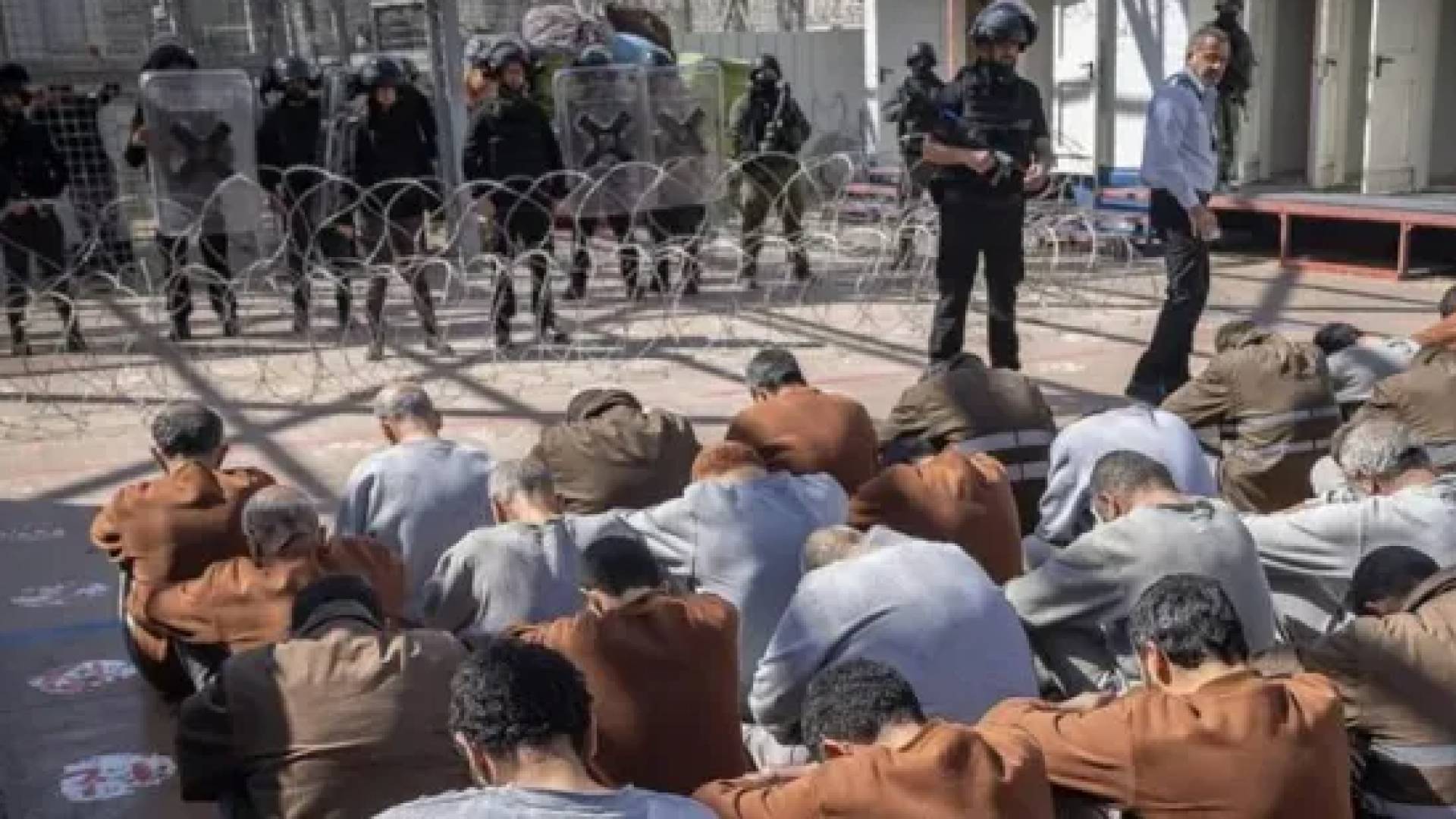
Rights groups and former detainees report that Israel’s Ofer prison is refusing to inform Palestinian detainees of the dawn (Fajr) and sunset (Maghrib) adhan times during Ramadan, a practice that prevents prisoners from knowing when to begin and break their fasts.
Roya News reports that rights groups say the refusal to call adhan "prevents prisoners from observing and breaking the fast at the correct hours."
Al-Jazeera relays a former prisoner’s account that inmates were unaware Ramadan had begun, quoting one detainee who said, "Today is Ramadan?! No one told us it started," and saying detainees were "denied suhoor and forced to break fasts on scraps."
These first-hand reports and rights-group statements indicate that the denial of prayer times is being used to undermine religious observance inside Ofer.
Coverage Differences
Narrative Framing
Both sources (Roya News — West Asian, Al-Jazeera Net — West Asian) present rights groups’ claims that Ofer prison is refusing to inform detainees of adhan times, but Roya News frames the issue primarily as a rights violation preventing correct observance — “prevents prisoners from observing and breaking the fast at the correct hours” — while Al-Jazeera foregrounds individual detainee testimony showing the human impact — ‘Today is Ramadan?! No one told us it started,’ and details of being denied suhoor. Each source reports claims by rights groups or former detainees rather than asserting institutional policy directly from Israeli authorities.
Source Tone
Roya News emphasizes the institutional policy angle by citing commissions and legal representatives — noting the Palestinian Commission of Detainees and Ex-Detainees Affairs described this as part of “a wider set of intensified restrictions on religious practices and basic rights.” Al-Jazeera uses vivid detainee testimony and details about meals and mosque imams being asked to call prayers aloud, giving the coverage a more personal, immediate tone.
Adhan ban and abuses
Human rights organisations and prisoner groups say the adhan ban is part of broader, intensified restrictions imposed by Israeli authorities on Palestinian detainees across facilities.
Both Roya News and Al-Jazeera cite the Palestinian Prisoners’ Club and human rights groups saying more than 9,300 Palestinians are held in Israeli custody, including roughly 350 children, and that detainees face “torture, systematic starvation and ‘slow killing’” or “torture, starvation and medical neglect” that have caused dozens of deaths.
Those allegations present the denial of adhan as one element of what rights groups describe as a deliberate policy to degrade detainees’ religious practice, nutrition and medical care.
Coverage Differences
Word Choice
Roya News quotes the Palestinian Prisoner’s Club characterizing Israeli policy as “torture, systematic starvation and ‘slow killing’,” which is a stronger, more accusatory phrasing; Al-Jazeera reports rights groups saying detainees “face torture, starvation and medical neglect that have led to dozens of deaths.” Both sources report similar allegations but use different terms and emphases — Roya points to “systematic starvation” and “slow killing,” while Al-Jazeera highlights “medical neglect” and documented deaths.
Severity Framing
Al-Jazeera emphasizes concrete outcomes (dozens of deaths), whereas Roya News emphasizes ongoing policy language (‘systematic starvation’ and ‘slow killing’) used by detainee organizations; both convey grave severity but with slightly different focal points.
Ramadan restrictions in detention
Former detainees describe how the denial of adhan and severe food restrictions interacted, reporting that prisoners were unable to arrange suhoor, forced to break fasts on scraps, and relied on external mosque imams to call prayers aloud so they could attempt to observe Ramadan.
Al-Jazeera relayed that detainees “were denied suhoor and forced to break fasts on scraps, with iftar becoming a painful, diminished experience,” while Roya News notes that limited food has been used so severely that “many are forced to fast” as part of what the Prisoner’s Club calls a policy of systemic deprivation.
These accounts portray the denial of adhan not as an isolated administrative oversight but as part of coordinated measures that rights groups say degrade detainees physically and spiritually.
Coverage Differences
Detail Emphasis
Al-Jazeera centres on individual testimony about suhoor and iftar being reduced to scraps and describes detainees’ appeals to mosque imams to be informed; Roya News stresses institutional accusations from the Palestinian Prisoner’s Club that limited food and bans on religious practice form part of a policy that forces fasting and constitutes systematic deprivation. Al-Jazeera reports vivid personal detail; Roya highlights organizational legal framing.
Attribution
Both sources attribute these claims to rights groups and former detainees rather than to official Israeli statements; Roya News explicitly cites the Palestinian Commission of Detainees and Ex-Detainees Affairs and the Prisoner’s Club, while Al-Jazeera relays former detainees’ voices. That distinction matters in assessing whether these are eyewitness or advocacy-sourced claims.
West Bank arrests and raids
Both sources report that restrictions and arrests have expanded beyond Ofer, with raids and detentions across the West Bank.
Al-Jazeera cites the Palestinian Prisoners’ Club saying Israeli forces arrested over 100 Palestinians in the West Bank since Ramadan began.
Al-Jazeera says the raids intensified and included women, children and ex-prisoners, and that settler attacks were used to justify expanding operations.
Roya News says about 70 female detainees are held in Damon and interrogation centres and roughly 350 children are detained in Megiddo and Ofer.
This indicates that women and minors are being held under the same restrictive conditions.
Together, the reporting links adhan denial to a wider pattern of arrests and intensified operations by Israeli forces in the occupied West Bank.
Coverage Differences
Scope
Al-Jazeera highlights recent arrest numbers and reports that settler attacks are used to justify expanded operations — ‘Israeli forces arrested over 100 Palestinians in the West Bank since Ramadan began... settler attacks have been used to justify expanding operations.’ Roya News provides facility-level detail about the detention of women and children (Damon, Megiddo, Ofer), offering complementary specifics. Al-Jazeera focuses on the operational justification and scale; Roya gives facility and demographic breakdowns.
Attribution of Cause
Al-Jazeera links the arrests and intensified raids to Israeli forces’ operations and to settler attacks being used as a justification; Roya News presents detainee-group allegations about policy and bans, without the same explicit mention of settler attacks as a stated justification. This produces slightly different causal frames for the expansion of detentions.
Allegations about detainee treatment
The available reporting from these West Asian outlets shows strong, convergent allegations.
The reporting leaves key questions unanswered, as neither snippet includes an Israeli official response or a direct statement from prison authorities denying or confirming these practices.
The pieces rely on rights groups, the Palestinian Prisoners’ Club and former detainees for allegations about policy and harm.
Roya News frames the issue legally through commissions and the Prisoners’ Club’s accusations of "systematic starvation" and "slow killing."
Al-Jazeera foregrounds detainee testimony and medical neglect leading to deaths.
That difference in emphasis affects how readers interpret severity.
Both sources present grave allegations that rights groups link to broader patterns of abuse and deprivation in Israeli custody.
Because the extracts lack official comment, the claims remain contested and require further verification.
Coverage Differences
Omission
Both sources omit an Israeli government or prison authority response in the snippets provided; they primarily report claims by rights groups, former detainees, and the Palestinian Prisoners’ Club. This absence of an official response is a shared gap across the reporting and makes the allegations stronger in rhetorical weight but still unconfirmed by authorities in the provided texts.
Tone
Roya News uses legal-institutional language from commissions and prisoner organizations; Al-Jazeera uses vivid testimonial and casualty language (medical neglect, dozens of deaths). Both present serious allegations, but their tones push readers toward institutional legal framing (Roya) or immediate human suffering and mortality (Al-Jazeera).