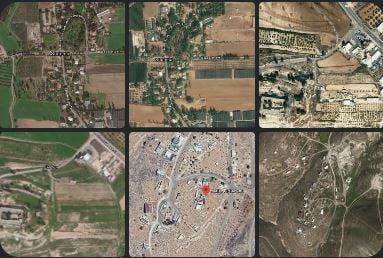
Israel’s Security Cabinet Approves 34 New West Bank Settlements, UN Warns of Annexation
Key Takeaways
- Security Cabinet approved 34 West Bank settlements, largest batch in decades.
- France and 13 countries urge Israel to cease West Bank expansion; Saudi-led nations condemn.
- UN official warns the moves amount to de facto annexation of the West Bank.
Settlements amid Gaza war
Israel’s government moved to accelerate West Bank settlement construction while the Gaza war continues to shape regional politics, with multiple outlets describing the same decisions as part of a broader push to change facts on the ground.
“This is a de facto, progressive annexation”
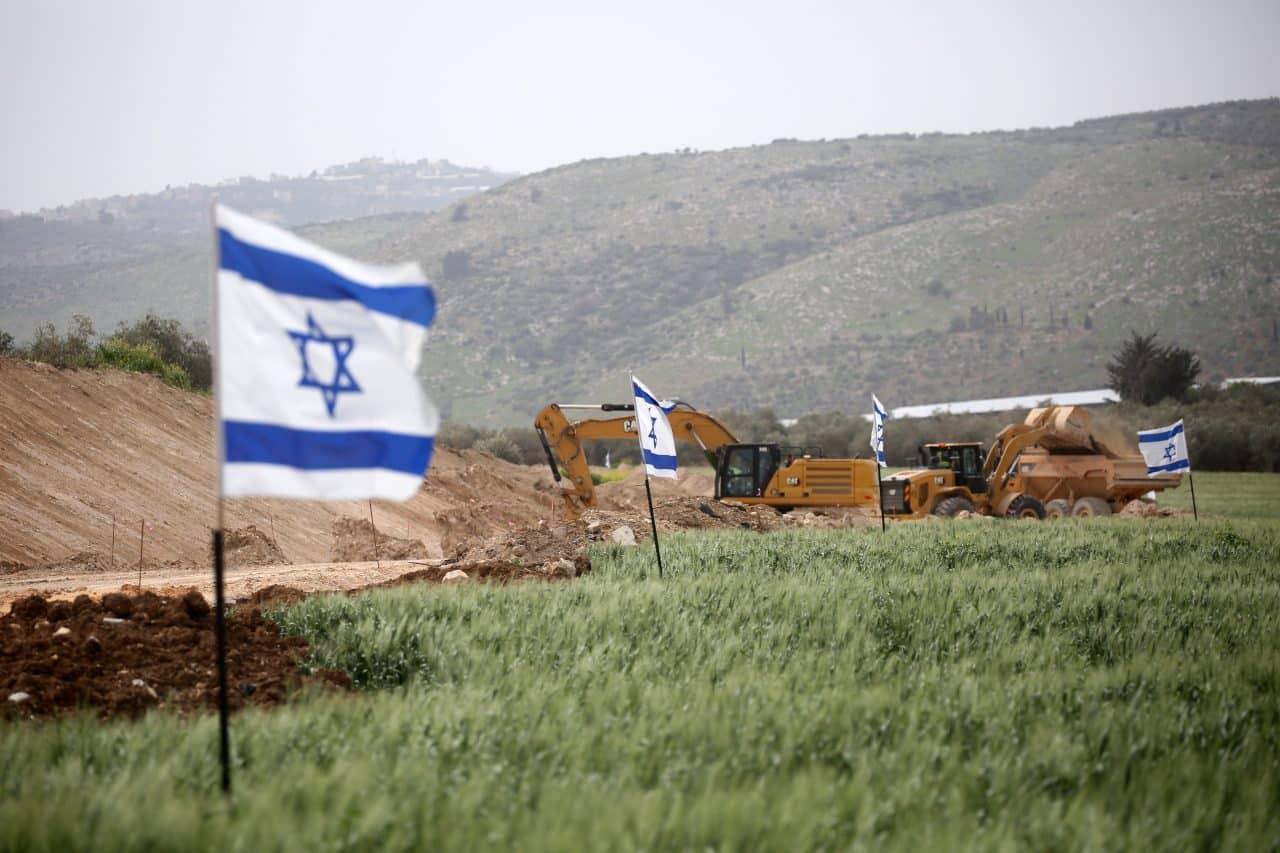
Mondoweiss says the Israeli cabinet approved “34 new West Bank settlements” last week, bringing the total approved by the ruling coalition led by Israeli Prime Minister Benjamin Netanyahu “up to 103.”
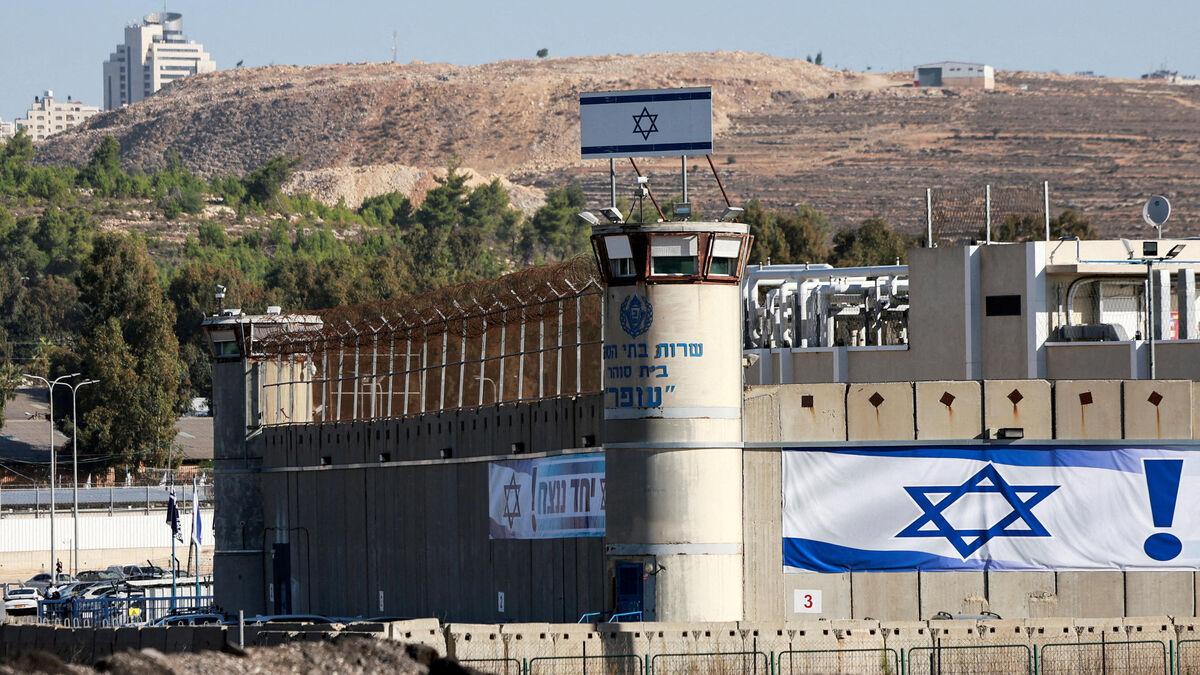
It adds that the decision was the “largest batch of new settlements approved in decades,” breaking a record set by a previous landmark decision in “June 2025,” which approved “22 new settlements.”
Al Jazeera’s report, citing Israeli channel I24 News, similarly says the Security Cabinet secretly approved “34 new settlements,” and it frames the move as the “largest of its kind to be passed in a single cabinet session,” while noting that the government had previously approved “69 settlements on separate occasions,” bringing the total to “103.”
Le Parisien instead centers the UN framing, quoting Rosemary DiCarlo, Under-Secretary-General, warning that “We are witnessing a de facto, progressive annexation of the West Bank.”
TF1 Info reports that France and “13 other countries” called on Israel to “cease the expansion of settlements,” after Israeli authorities announced on Sunday that they had approved “the creation of 19 new settlements in the occupied West Bank.”
Across the coverage, the same core event is described with different settlement counts—“34,” “19,” and totals reaching “103”—and with different emphasis on secrecy, annexation, or international condemnation.
Why now, and what led
Several articles connect the timing of the settlement approvals to the wider regional conflict, including the war on Gaza and the parallel U.S.-Israeli war on Iran described by Mondoweiss.
Mondoweiss says the latest settlement decision was “overshadowed by the regional conflagrations related to the U.S.-Israeli war on Iran,” and it argues that the timing indicates Israel perceives “a closing window” to entrench its “colonial project” in the West Bank.
It also claims that Israel was “reportedly ‘coerced’ to halt its onslaught against Lebanon by U.S. President Donald Trump,” forcing it to accept “a ceasefire with Hezbollah,” and it links that shift to Israel’s need for a “victory” elsewhere.
Al-Ain News, citing Ynet and Yedioth Ahronot, adds a different operational explanation: it says the Security Cabinet approved “34 new settlements” during the war on Iran that began in late February, and that the approval was “kept secret during the war at the request of the United States.”
It further says Peace Now disclosed the meeting was held on “April 1 of this year,” and that the meeting remained secret until now.
Al Jazeera’s report also emphasizes secrecy and U.S. pressure, saying I24 News revealed the decision was kept under “tight censorship” to avoid “American pressure,” especially after a warning from U.S. President Donald Trump about annexing the West Bank.
Taken together, the sources portray the settlement approvals as tightly linked to wartime diplomacy, election politics, and U.S.-Israeli dynamics, with multiple dates and mechanisms—“late February,” “April 1,” and “kept secret”—used to explain why the decisions emerged when they did.
Voices condemn and defend
The settlement approvals triggered sharply different reactions, with UN officials, European governments, Israeli ministers, and Palestinian representatives all quoted directly in the sources.
“France and 13 other countries call on Israel to "cease the expansion of settlements”
Le Parisien quotes Rosemary DiCarlo warning that “We are witnessing a de facto, progressive annexation of the West Bank,” and she adds that “If implemented, these measures would constitute a dangerous expansion of Israeli civilian authority in the occupied West Bank, including in sensitive areas like Hebron.”
The same Le Parisien report describes Israeli Foreign Minister Gideon Saar telling the Security Council meeting that it was “astonishing that so many countries claim that the Jewish presence in our ancestral homeland violates international law,” and he adds, “No other nation, anywhere in the world, has a stronger right than our historic and attested on the land of the Bible.”
It also quotes Bezalel Smotrich calling to “encourage emigration” of Palestinians from the occupied West Bank and Gaza, saying, “We will officially and concretely cancel the cursed Oslo accords and we will commit to the path of sovereignty while encouraging emigration from Gaza as well as Judea and Samaria.”
TF1 Info reports that a joint statement released by the French Foreign Ministry condemned the approval of “the creation of 19 new settlements” and urged Israel “to cease the expansion of the settlements,” while reiterating opposition to “any form of annexation.”
Al Jazeera’s report includes a Palestinian presidency statement describing the decision as “a dangerous escalation and a flagrant violation of international law and United Nations resolutions,” and it adds that “this dangerous decision represents an additional Israeli step to implement annexation plans, expansion, and displacement.”
Al Jazeera also quotes Muayed Shaban, head of the Committee to Resist the Wall and Settlements, warning that the decision “serves policies of annexing the occupied West Bank and undermines the chances of establishing a connected Palestinian state.”
Different counts, different frames
The sources diverge not only on the number of settlements approved but also on how the decisions are framed—whether as a secret wartime maneuver, a UN-described annexation process, or a European-backed demand to halt expansion.
Mondoweiss presents the cabinet approval as “34 new West Bank settlements,” and it ties the move to “a closing window” for entrenching Israel’s “colonial project,” while also describing the decision as “the largest batch of new settlements approved in decades.”

Le Parisien instead emphasizes the UN’s language of annexation, quoting Rosemary DiCarlo’s warning about “de facto, progressive annexation,” and it highlights that DiCarlo warned of “an expansion of settlements by removing bureaucratic obstacles and facilitating land purchases as well as the granting of building permits.”
TF1 Info reports a different figure in its account of the announcement, saying Israeli authorities approved “the installation of 19 settlements in the West Bank,” and it places the condemnation on “December 24,” with a joint call from France and “13 other countries.”
Al Jazeera’s report, citing I24 News, says the Security Cabinet secretly approved “34 new settlements,” and it adds that the government previously approved “69 settlements on separate occasions,” bringing the total to “103,” while also describing “tight censorship” to avoid U.S. pressure.
Al-Ain News similarly says the Security Cabinet approved “34 new settlements” during the war on Iran, but it adds that the approval was kept secret “at the request of the United States,” and it includes Peace Now’s disclosure that the meeting was held on “April 1 of this year.”
بوابة الشروق focuses less on the immediate cabinet batch and more on the administrative mechanics of expansion, citing a Peace Now report issued in 2025 that says “148 new settlement outposts have indeed been built and approved from late 2023 through 2024,” and it states those represent “40% of the total 298 outposts established since 1996.”
Consequences and next steps
The sources describe immediate and longer-term consequences, linking settlement expansion to Gaza-related diplomatic efforts and to legal and administrative changes in the West Bank.
“Saudi Arabia and 20 other countries and organizations condemned, on Monday, in the strongest possible terms, a series of recent Israeli decisions that would widen Israel's illegal control over the West Bank”
TF1 Info says the joint statement warned that the action “risks undermining the implementation of the Gaza peace plan,” and it calls on Israel to reverse the decision and “to cease the expansion of the settlements,” citing “United Nations Security Council Resolution 2334.”
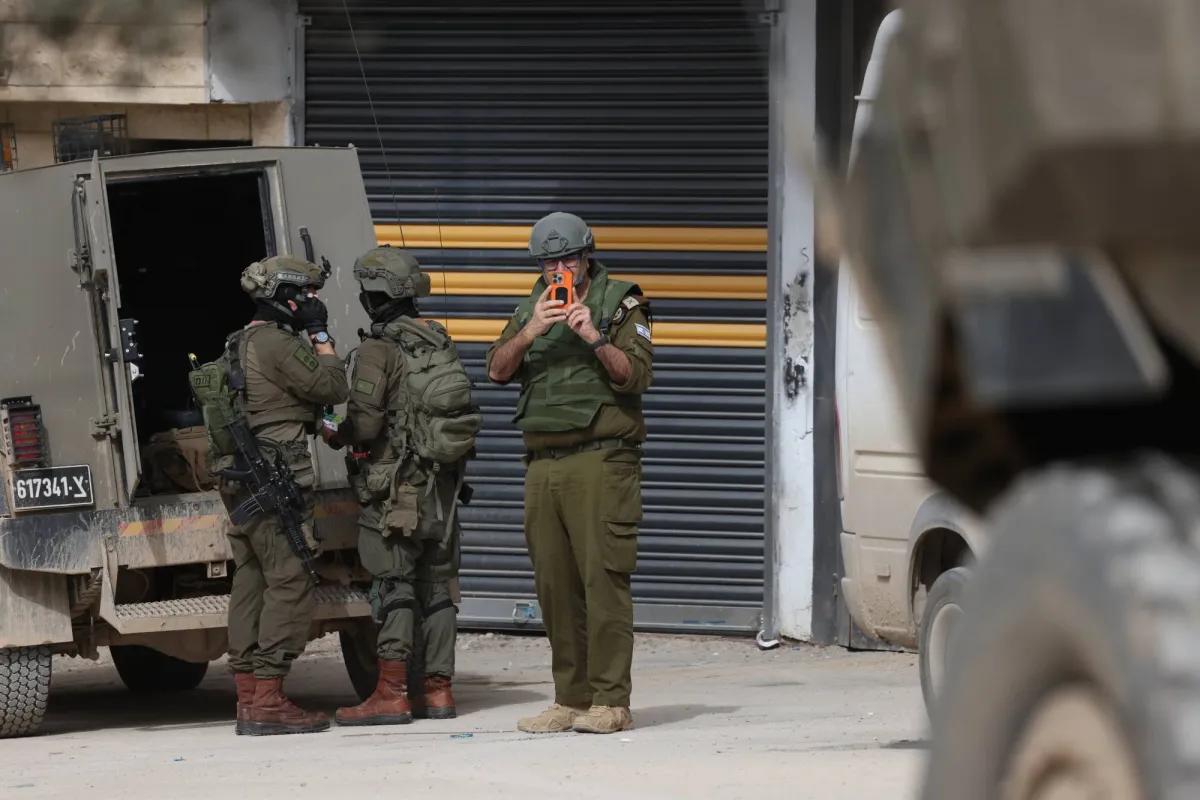
Le Parisien adds that DiCarlo warned of “a dangerous expansion” including “sensitive areas like Hebron,” and it notes that “85 UN member states” condemned the measures in a joint statement.
Al Jazeera’s report describes Palestinian condemnation as warning of annexation plans and displacement, quoting the Palestinian presidency that the decision represents “an additional Israeli step to implement annexation plans, expansion, and displacement,” and it says the “consequences will be borne” by the “extremist right-wing Israeli government.”
Al Jazeera also expands the immediate stakes by describing a related February 8 decision allowing seizure of Palestinian lands in “Area C” by registering them as “state property,” and it provides figures from the Palestinian Central Bureau of Statistics about land seizures and destruction during “2025.”
In the same report, it states that the Committee to Resist the Wall and Settlements says settlers committed “about 4,723 attacks in the West Bank during 2025,” resulting in “the killing of 14 Palestinians” and “the displacement of 13 Bedouin communities totaling 1,090 people.”
Al-Ain News and بوابة الشروق both describe the administrative and enforcement environment as part of the consequences, including warnings about “serious strains on the army's manpower” and approvals of “about 2,400 housing units” within six weeks.
More on Gaza Genocide
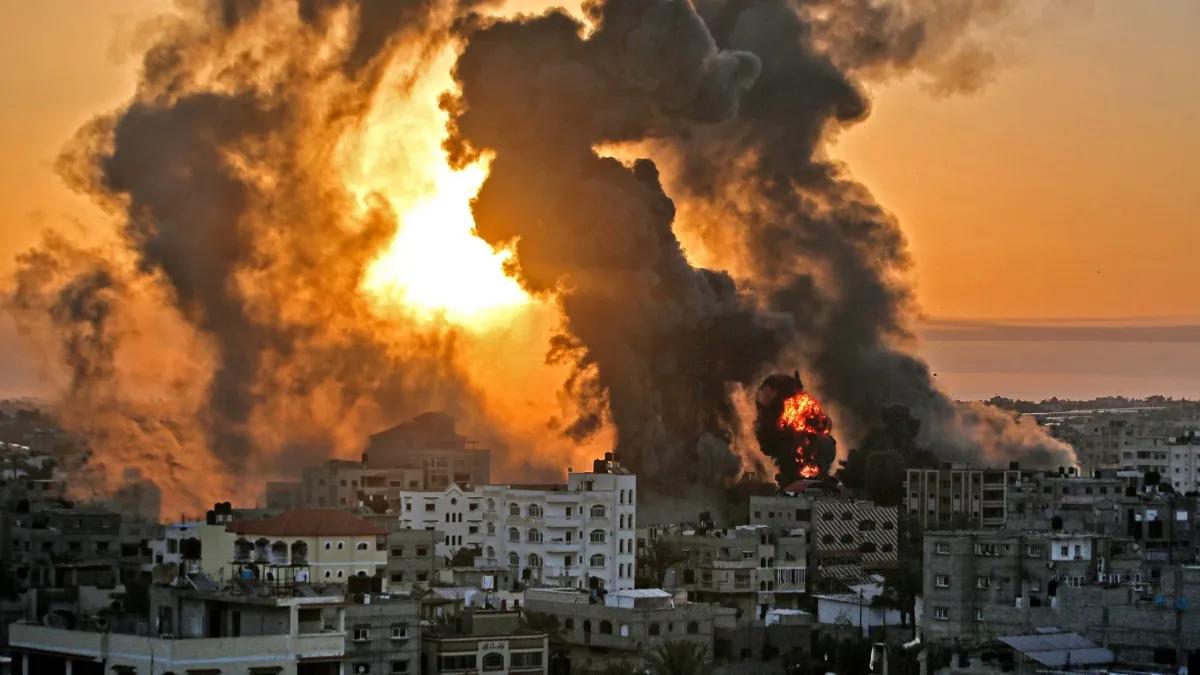
Israeli Attacks Push Gaza Death Toll to 72,551, Injuries Reach 172,274
10 sources compared

EU Foreign Ministers Postpone Sanctions Against Israel Over Gaza and West Bank
11 sources compared
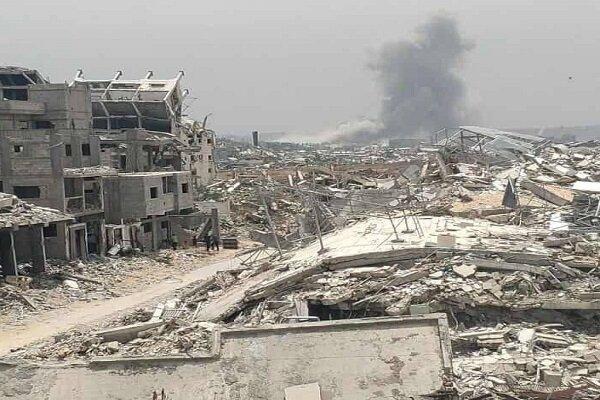
UNICEF Outraged After Israeli Forces Kill Two Water Truck Drivers in Northern Gaza
19 sources compared
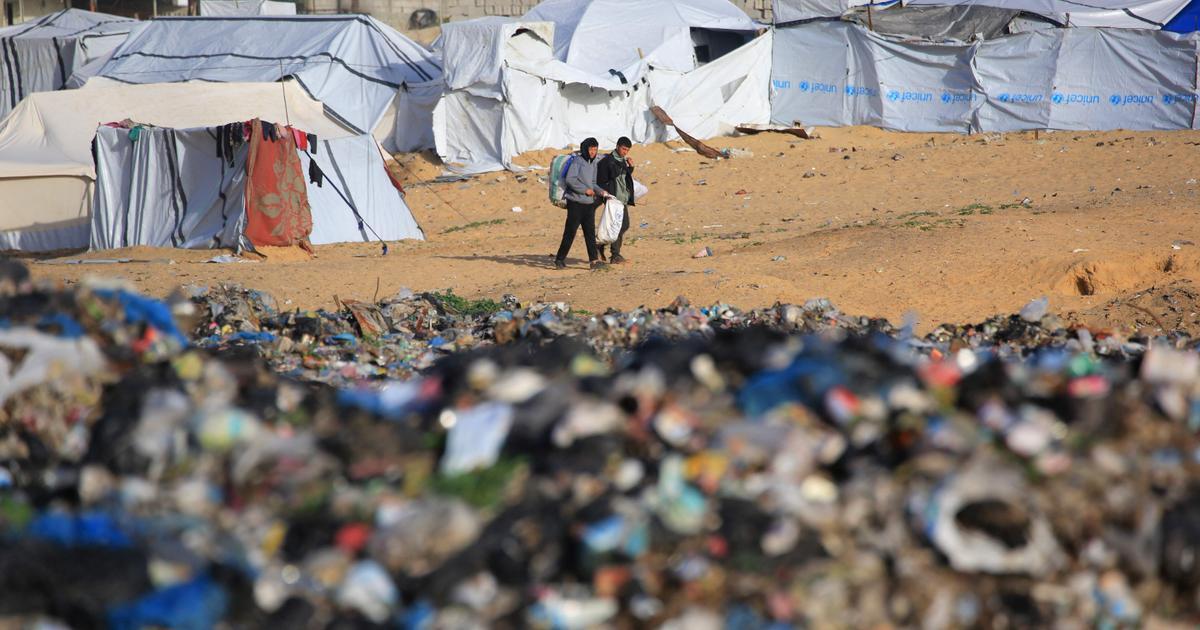
Trump’s Gaza Peace Council Talks Paused After US-Iran War Breaks Out
10 sources compared