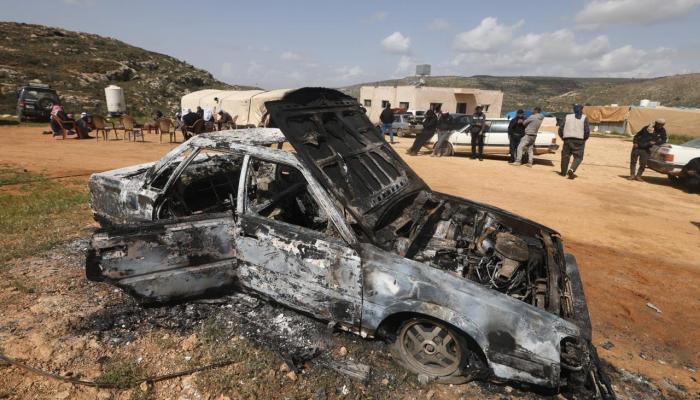
Israel’s Security Cabinet Secretly Approves 34 New West Bank Settlements During Iran War
Key Takeaways
- Security Cabinet secretly approved 34 new West Bank settlements.
- International condemnation from multiple countries including France demanding reversal of expansion.
- Largest batch of West Bank settlements approved in decades.
Cabinet Approves 34 Settlements
Israel’s Security Cabinet approved 34 new settlements in the occupied West Bank, a decision multiple outlets say was taken during the “war on Iran” and kept secret for a period.
“Israeli Foreign Minister Gideon Saar announced on X, in the night from Wednesday to Thursday, December 25, that foreign governments will not restrict the right of Jews to live in the land of Israel, and that any call to do so is morally reprehensible”
Al-Ain News, citing what it read on the Wynet site affiliated with Yedioth Ahronoth, said the cabinet “approved 34 new settlements in the West Bank during a cabinet meeting last month” while “Chief of Staff General Eyal Zamir warned of serious strains on the army's manpower.”
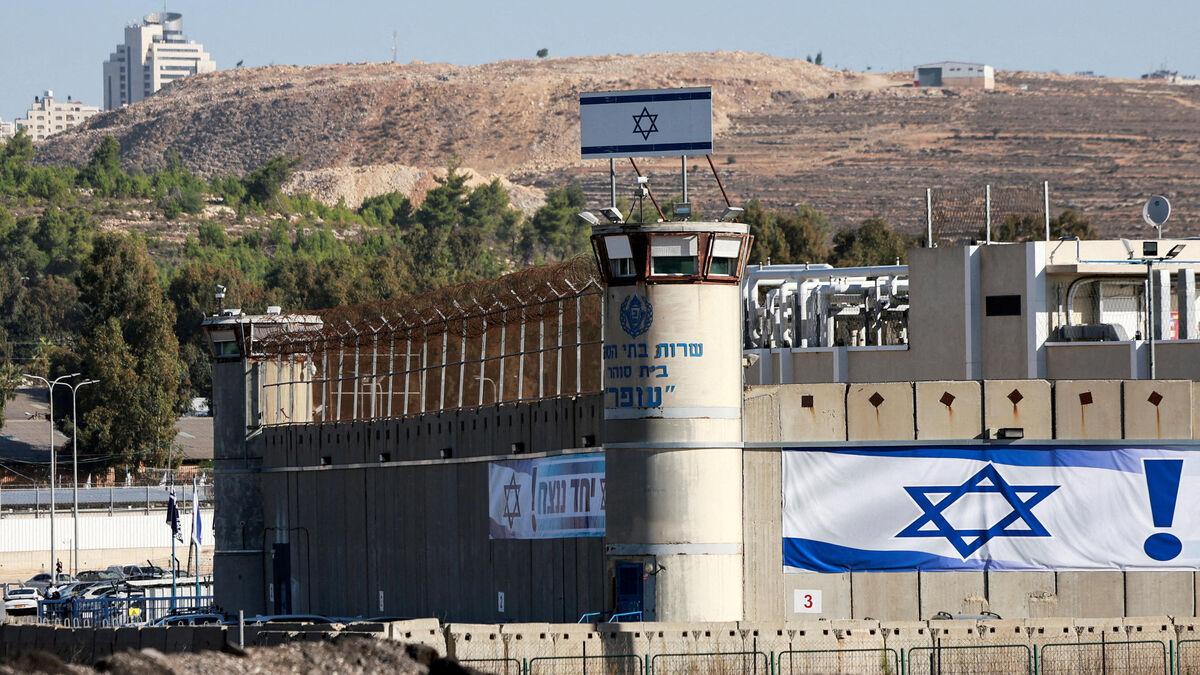
The same report said the approval “was kept secret during the war at the request of the United States,” and Peace Now later disclosed that the meeting was held on April 1 of this year.
Al Jazeera Net, citing i24 News, said the Security Cabinet “secretly approved the establishment of 34 new settlements in the occupied West Bank,” calling it “the largest of its kind to be passed in a single cabinet session.”
That i24 News account also said the government had previously approved 69 settlements on separate occasions, bringing the total to 103 with the latest decision.
Mondoweiss framed the cabinet action as the Israeli ruling coalition led by Prime Minister Benjamin Netanyahu approving “34 new West Bank settlements” and said the total approved by the coalition “up to 103.”
In the same Mondoweiss account, the decision was described as “the largest batch of new settlements approved in decades,” breaking a record set by a previous landmark decision in June 2025 that approved 22 new settlements.
Secrecy, U.S. Pressure, and Timing
Several reports connect the settlement approvals to wartime timing and U.S. pressure, portraying Israel as acting while trying to manage external reactions.
Al-Ain News said Yedioth Ahronoth reported that the approval “was kept secret during the war at the request of the United States,” and it added that the meeting was later revealed after “the ceasefire was reached.”
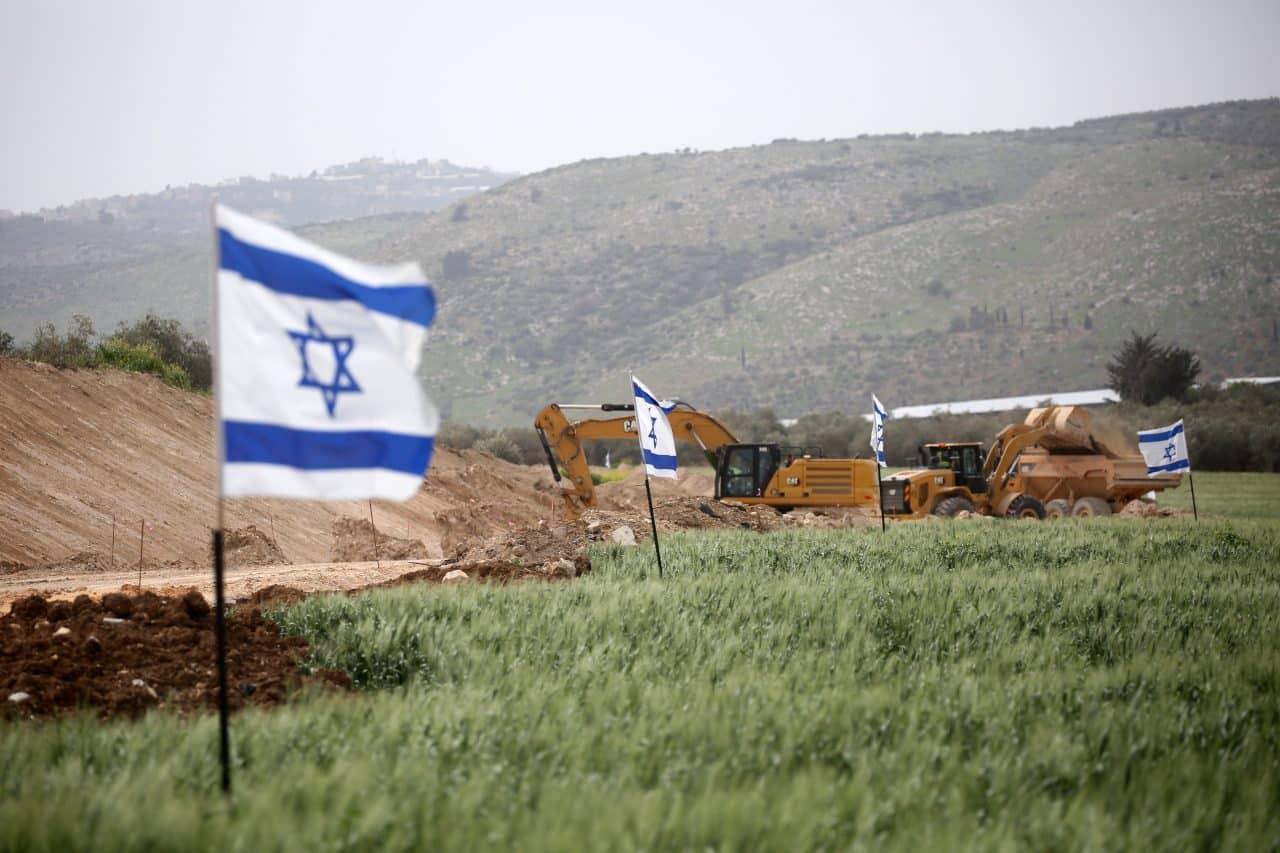
Al Jazeera Net similarly said i24 News reported “tight censorship on the decision to avoid American pressure,” specifically “in light of U.S. President Donald Trump’s warning against annexing the West Bank.”
In that account, “military censorship allowed the news to be published recently,” after which the army “expressed reservations about the decision due to what it described as limited manpower.”
Al-Ain News added that Yedioth Ahronoth’s account included warnings from Chief of Staff Zamir that the army “could collapse and be unable to perform its duties amid rising settler violence.”
It also said Zamir opposed “a plan to create additional new settlements for security reasons,” because of “the heavy burden they pose on the Israeli army tasked with protecting many settlement sites in the occupied territories.”
Mondoweiss tied the timing to what it called “a closing window” for entrenching the West Bank project, saying Israel perceives “a closing window for its ability to entrench its colonial project” in light of shifting regional realities.
Reactions From Governments and Officials
The settlement approvals triggered condemnation from governments and international bodies, with multiple outlets quoting a joint statement and specific officials.
“The Israeli cabinet approved the construction of 34 new West Bank settlements last week, bringing the total number approved by the ruling coalition led by Israeli Prime Minister Benjamin Netanyahu up to 103”
Al-Sharq Al-Awsat reported that Saudi Arabia and “20 countries and organizations” condemned “Israeli decisions to accelerate expansion in the West Bank,” saying the condemnation came in a “joint statement by the foreign ministers of Saudi Arabia, Brazil, France, Denmark, Finland, Iceland, Indonesia, Ireland, Egypt, Jordan, Luxembourg, Norway, Palestine, Portugal, Qatar, Slovenia, Spain, Sweden, Turkey, and the two secretaries-general of the Arab League and the Organization of Islamic Cooperation.”
That statement said the ministers “clearly stated that the illegal settlements and the measures designed to promote them constitute a flagrant violation of international law,” including “relevant United Nations Security Council resolutions and the International Court of Justice's 2024 advisory opinion.”
It also said the decisions “form part of a clear trajectory to change the facts on the ground, advancing toward an unacceptable actual annexation,” and it called on Israel to “end settler violence against Palestinians, including by holding those responsible to account.”
Le Parisien reported that a senior UN official, Rosemary DiCarlo, said during a Security Council meeting that “We are witnessing a de facto, progressive annexation of the West Bank,” adding that “If implemented, these measures would constitute a dangerous expansion of Israeli civil authority in the occupied West Bank.”
In the same Le Parisien account, Israeli Foreign Minister Gideon Saar said “astonishing that so many countries claim that Jewish presence in our ancestral homeland violates international law,” and it quoted him saying “No other nation, anywhere in the world, has a stronger right than our historical and attested right to the land of the Bible.”
Le Parisien also quoted far-right Minister Bezalel Smotrich calling to “encourage the emigration” of Palestinians from the occupied West Bank and Gaza to establish Israel’s “sovereignty.”
Israeli Justifications and Palestinian Condemnation
Israeli officials defended the settlement expansion while Palestinian representatives framed it as annexation and displacement.
Le Monde.fr reported that Israeli Foreign Minister Gideon Saar announced on X that “foreign governments will not restrict the right of Jews to live in the land of Israel,” and it said Israel rejected the call by 14 countries to stop expansion.

In the same Le Monde account, it quoted Smotrich boasting, “On the ground, we are blocking the establishment of a terrorist Palestinian state,” and it said the decision to establish “11 new settlements” and “legalize eight additional settlements” was aimed at addressing security threats Israel faces.
Le Monde also said the Palestinian Authority denounced the Israeli announcement, saying it “could not be dissociated from Israel's systematic policy aimed at preventing any real possibility of establishing an independent and sovereign Palestinian state,” while also denouncing “an acceleration of the theft of Palestinian lands and the escalation of settler terrorism.”
Al Jazeera Net described Palestinian condemnation in direct terms, saying “The Palestinian presidency condemned the approval of the settlements, deeming it a dangerous escalation and a flagrant violation of international law and UN resolutions,” and it added that “all settlement activity is illegal in the occupied Palestinian territories under international resolutions.”
That outlet quoted Muayed Shaban, head of the Wall and Settlements Resistance Commission, warning that the decision “serves the policies of annexation of the occupied West Bank and undermines chances of establishing a contiguous Palestinian state.”
Al Jazeera Net also said Shaban warned the decision “constitutes an attempt to impose irrevocable facts on the ground by dismantling Palestinian geography and isolating its communities.”
Consequences, Violence, and Gaza Link
The settlement expansion was repeatedly linked in the reporting to broader regional dynamics, including the Gaza ceasefire and the prospects for a two-state outcome.
“- France and 13 other countries call on Israel to cease expansion of settlements”
TF1 Info said the settlement expansion “risks undermining the implementation of the Gaza peace plan,” quoting the joint statement that it “risks undermining the implementation of the Gaza peace plan, even as efforts to move to the second phase are underway.”

Le Parisien similarly said the measures were condemned as undermining peace, and it quoted DiCarlo’s warning about “an expansion of settlements by removing bureaucratic obstacles and facilitating land purchases as well as the granting of building permits.”
Mondoweiss connected the West Bank approvals to “the need for a ‘victory’ elsewhere,” describing how Israel’s settlement push is meant to create “as many facts on the ground as possible during the Trump administration’s remaining years.”
It also said Jamal Jumaa of the Palestinian grassroots Stop the Wall campaign argued that “Israel fears that it won’t be able to achieve what it wants in the future,” and Jumaa warned that “World attention would shift back to the unfinished Gaza ceasefire and the West Bank.”
Al Jazeera Net provided a detailed account of the scale of violence and displacement it attributes to Israeli attacks and settler activity, saying “settlers carried out about 4,723 attacks in the West Bank during 2025,” resulting in “the death of 14 Palestinians and the displacement of 13 Bedouin communities comprising 1,090 people.”
It also said that “These attacks have left more than 1,147 Palestinians martyred and about 11,750 others injured, in addition to the arrest of around 22,000.”
More on Gaza Genocide
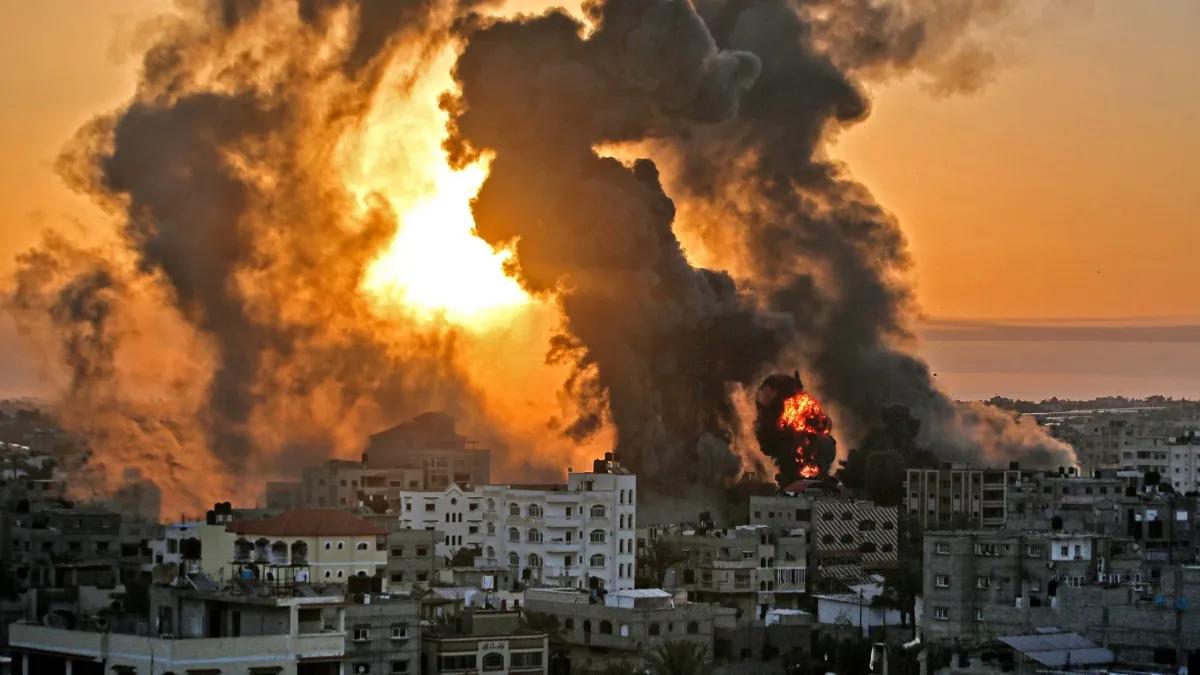
Israeli Attacks Push Gaza Death Toll to 72,551, Injuries Reach 172,274
10 sources compared

EU Foreign Ministers Postpone Sanctions Against Israel Over Gaza and West Bank
11 sources compared
UNICEF Outraged After Israeli Forces Kill Two Water Truck Drivers in Northern Gaza
19 sources compared
Trump’s Gaza Peace Council Talks Paused After US-Iran War Breaks Out
10 sources compared