Gaza Genocide19 December, 20253 min read
Israel's Siege Leaves Entire Gaza Facing Starvation, IPC Warns
This article is an automated aggregation of coverage from news outlets. Our editorials offer in-depth analysis curated by the NewsCord team.
IPC found no area currently classified as famine after October ceasefire. Approximately 1.6 million people (over 75%) face emergency acute food insecurity.

8 outlets told this the same way.
Outlets did split on Thousands March in London Calling for Britain to Stop Arming Israel and Impose Sanctions →
Gaza food insecurity update
The UN-mandated Integrated Food Security Phase Classification (IPC) says that after a brief October ceasefire and a surge in humanitarian and commercial deliveries, no part of the Gaza Strip currently meets the strict technical definition of famine. The IPC warns that more than three-quarters of Gaza’s population — roughly 1.6 million people — continue to face acute food insecurity and widespread malnutrition. The BBC and TRT World stress that severe hunger and critical levels of malnutrition remain in parts of Gaza, and that restricted humanitarian access and a near-total destruction or inaccessibility of cropland have driven the crisis.
“The Integrated Food Security Phase Classification (IPC) said Friday that after a surge in humanitarian and commercial food deliveries following an October ceasefire between Israel and Hamas, no part of the Gaza Strip is currently classified as experiencing famine. However, the agency warned that more than three‑quarters of the population—about 1.6 million people—still face acute food insecurity and malnutrition.”
Multiple sources attribute the deteriorated humanitarian environment to Israeli actions, with the BBC reporting a full aid blockade imposed in March (partly eased in May) and TRT World noting that the October ceasefire paused Israel’s military campaign. Taken together, these facts portray a situation where immediate famine has been averted in definition only while catastrophic food insecurity persists because of the blockade, military operations, and the widespread destruction of food sources and access.
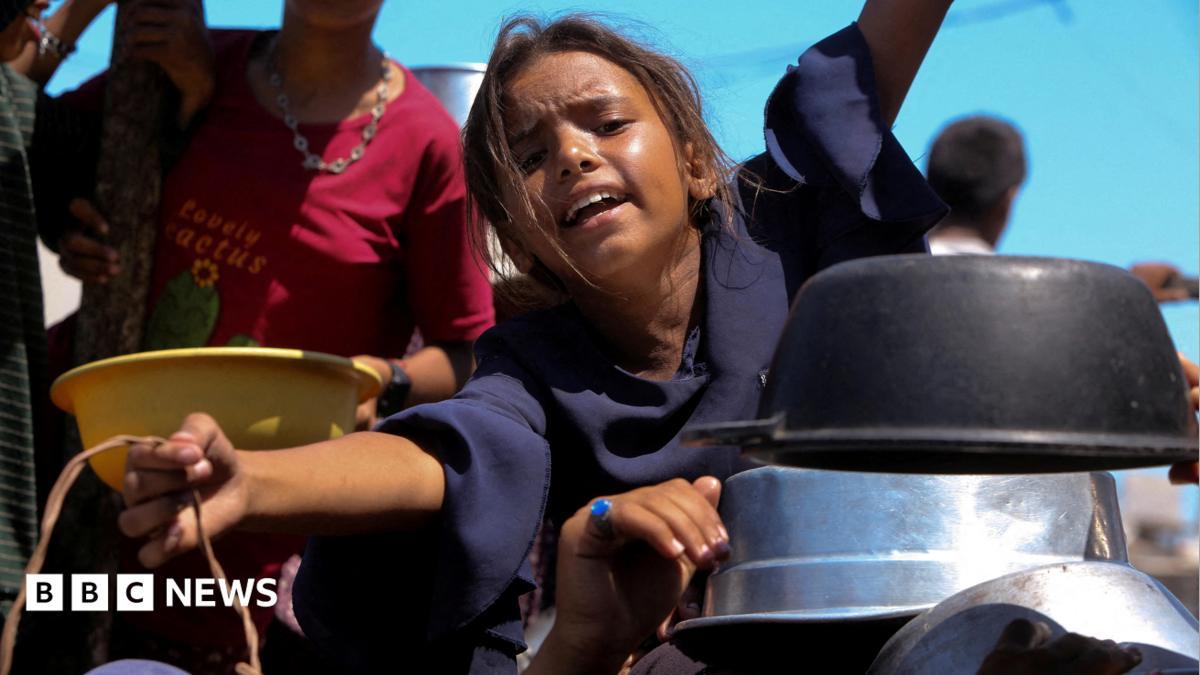
Gaza humanitarian crisis
The BBC reports acute malnutrition is 'critical' in Gaza City and 'serious' in Deir al-Balah and Khan Younis. The BBC also reports that over 730,000 people have been displaced. The BBC states over 96% of cropland is destroyed or inaccessible, making sustained food production and local markets impossible.
The Washington Post corroborates the scale of acute food insecurity, estimating approximately 1.6 million people are affected and linking any improvements to a short-lived surge in deliveries after the October ceasefire. TRT World warns those improvements could be rapidly reversed if Israel resumes full-scale military operations or if aid access is again constrained. Together, these details show the population's survival depends on ongoing, secure access to aid, while Israel's blockade, military operations, and the destruction of agricultural capacity are primary drivers of the emergency.

Risk of Aid Disruption
Multiple sources warn food insecurity could rapidly worsen if Israeli military operations resume or if aid access is impeded. TRT World explicitly cautions that recent relief may be short‑lived if fighting restarts or aid is limited. The Washington Post links recent improvements to a surge in deliveries after the October ceasefire and suggests renewed hostilities could erase those gains.
“The IPC warns the gains are precarious and food insecurity could rapidly worsen if fighting resumes or aid access is limited; the relief observed may therefore be short‑lived.”
The BBC highlights the March blockade and ongoing access restrictions as direct ways in which Israel is worsening the humanitarian emergency. The IPC's technical non-famine finding does not mean the emergency is over; it means millions remain at immediate risk if a blockade or military actions keep obstructing food and medical supplies.
Media coverage of humanitarian crisis
Reporting differs in how directly outlets assign responsibility and how starkly they describe the humanitarian emergency. BBC directly states that Israel imposed a full aid blockade and links that policy to worsening conditions. TRT World describes the pause of Israel’s military campaign and frames the current improvement as fragile.
The Washington Post emphasizes the IPC’s technical classification while warning of acute food insecurity. None of the provided snippets uses the term 'genocide' to describe the situation, so calling it genocide would not be supported by these specific source excerpts. The sources do directly attribute responsibility to Israel for blockade and military action that have caused mass displacement, destroyed cropland, and left roughly 1.6 million people facing acute food insecurity.

Risk of famine in Gaza
Urgent action is required to prevent rapid deterioration. IPC findings indicate that without sustained, unfettered humanitarian access and a durable cessation of Israeli operations that block supplies and destroy food sources, millions in Gaza will remain at imminent risk of starvation and malnutrition.
“The IPC warns the gains are precarious and food insecurity could rapidly worsen if fighting resumes or aid access is limited; the relief observed may therefore be short‑lived.”
The reporting attributes primary responsibility for blocked access and destruction of cropland to Israeli policy and military action. The IPC's technical threshold for 'famine' does not erase the proximate causes reported, including blockade, displacement, and bombardment, that sustain the humanitarian emergency in Gaza.
