Full Analysis Summary
Gaza medical supply crisis
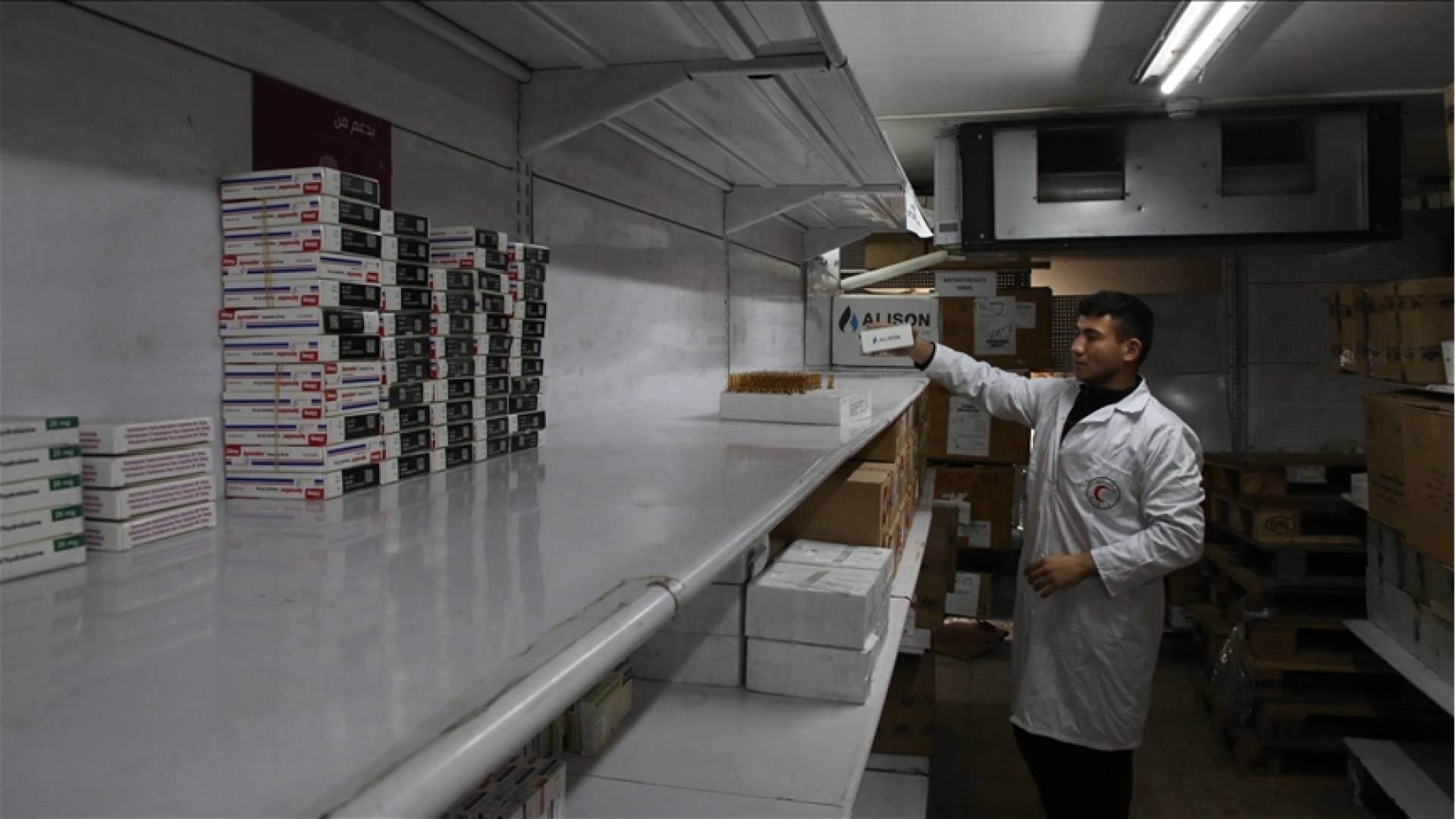
Gaza's Health Ministry warns that Israel's siege and restrictions on crossings are starving the territory of medicines and emergency supplies, a crisis that risks pushing Gaza's already fragile health system toward collapse.
The ministry told international bodies that incoming medical supplies are "insufficient in type and priority" and urged urgent action to ensure regular deliveries and pressure Israel to allow full humanitarian access.
Press TV's reporting, citing the ministry, details the scale of shortages: 321 essential medicines (52%) are out of stock, 710 medical consumables (71%) unavailable, and laboratory and blood supplies face a 59% shortfall, with critical items such as IV fluids, IV antibiotics and painkillers missing.
All three sources point to a blockade-driven shortage that is directly degrading emergency and life-saving care in Gaza.
Coverage Differences
Narrative emphasis
Press TV (West Asian) emphasizes technical inventory shortfalls and projected patient impact, giving precise percentages and counts of medicines and consumables; Anadolu Ajansı (West Asian) foregrounds the Health Ministry’s political appeal and frames the shortages as requiring international pressure on Israel; Al Jazeera (West Asian) places the shortages alongside broader humanitarian harms including detainee malnutrition and building collapses, highlighting human stories and rights-group reports. Each outlet therefore stresses different aspects of the crisis — technical scarcity (Press TV), political accountability (Anadolu Ajansı), and human-rights consequences (Al Jazeera).
Health infrastructure damage
The health system's collapse is compounded by direct hits on medical infrastructure and buildings.
Press TV cites Gaza health officials saying at least 125 health facilities, including 34 hospitals, were damaged.
Officials say nearly all hospitals and clinics have been hit during the fighting.
Anadolu Ajansı quotes the Health Ministry accusing Israel of deliberately striking hospitals, medical facilities and drug warehouses and of attacking and detaining health workers, allegations the ministry says have continued for over two years.
Al Jazeera documents building collapses that killed civilians and notes Civil Defence rescue operations, showing how damaged structures and lack of safe infrastructure multiply the humanitarian toll.
Coverage Differences
Attribution and allegation
Anadolu Ajansı (West Asian) explicitly reports the Health Ministry’s accusation that Israel has “deliberately targeting Gaza’s health infrastructure” and accuses Israeli forces of blocking medical imports; Press TV (West Asian) focuses on enumerating damaged facilities and treatment-shortfall impacts without as explicit a quotation of deliberate intent; Al Jazeera (West Asian) emphasizes civilian rescues and building collapses to illustrate human consequences. The primary difference lies in Anadolu Ajansı’s direct reporting of the ministry’s accusation of deliberate Israeli targeting versus Press TV’s technical damage tallies and Al Jazeera’s focus on civilian rescue and collapse fatalities.
Healthcare collapse and casualties
Press TV warns that if supplies do not arrive, roughly 200,000 people could be denied emergency care, 100,000 denied surgical services, and about 700 denied intensive care.
Thousands of patients, especially those needing kidney, cancer, cardiac, and orthopedic treatments, face life-threatening interruptions.
Anadolu Ajansı, citing ministry and government office casualty tallies, reports that Israeli forces have killed hundreds since the ceasefire and that nearly 71,000 Palestinians, mostly women and children, have been killed since October 2023, with over 171,000 injured.
Al Jazeera corroborates the scale of civilian deaths and injuries, reporting that more than 70,000 Palestinians, mostly women and children, have been killed and over 171,000 wounded, and it highlights reports from former prisoners of malnutrition and medical neglect in Israeli detention.
Together the sources depict a health catastrophe caused by blockade, bombardment, and detention-related neglect.
Coverage Differences
Casualty framing and emphasis
Anadolu Ajansı (West Asian) and Al Jazeera (West Asian) foreground Gaza Government Media Office and Health Ministry casualty figures that emphasize high civilian death tolls (“nearly 71,000” / “more than 70,000”), while Press TV (West Asian) frames the issue in terms of projected numbers of people denied medical care and specific treatment shortages. Al Jazeera also brings in testimony from former prisoners about malnutrition and abuse in Israeli detention, a perspective less emphasized in the other two reports. These differences show varying focal points: aggregate casualty counts (Anadolu Ajansı, Al Jazeera) versus health-system functional impacts (Press TV).
Media calls for humanitarian access
All three outlets record urgent calls for international action but differ in how they present responsibility and remedies.
Anadolu Ajansı highlights the Health Ministry's appeal that international bodies must act urgently and pressure Israel to allow full humanitarian access, saying delays could push the health system toward collapse.
Press TV frames the crisis as the direct result of Israel's blockade and warns of specific numbers of patients who will be denied care unless crossings and supplies open; it repeats the ministry's assertion that ceasefire terms to open crossings have not been met.
Al Jazeera underscores rights-group concerns about detainees and the continuing human toll in Gaza, implying that accountability for treatment of prisoners and civilian protection must be part of any international response.
Together the sources demand immediate humanitarian access while showing variations in emphasis: political pressure on Israel (Anadolu Ajansı), technical fixing of crossings and supply chains (Press TV), and human-rights accountability for detainees and civilians (Al Jazeera).
Coverage Differences
Prescriptive focus
Anadolu Ajansı (West Asian) quotes the Health Ministry urging international bodies to pressure Israel and secure unrestricted access; Press TV (West Asian) focuses on the blockade’s operational effect and the need to open crossings and deliver specific medical items; Al Jazeera (West Asian) prioritizes rights and accountability for detainee mistreatment and civilian protections. These differences show that while all call for action, Anadolu Ajansı frames it as diplomatic pressure on Israel, Press TV as logistical/operational fixes, and Al Jazeera as rights-based accountability.