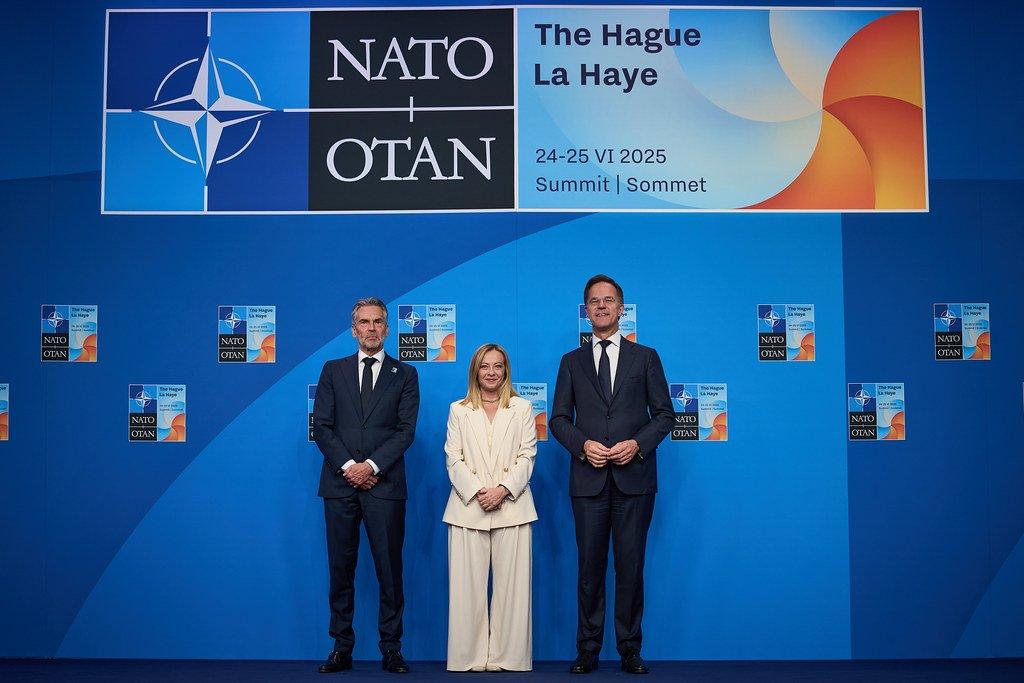
Italy Falls Below NATO 2% Defense Target, Needs Over 700 Billion Euros By 2035
Key Takeaways
- NATO debates center on spending gaps and broader industrial procurement challenges.
- Some NATO members fail to reach 5% GDP defense spending.
- Italy aims to boost industrial capacity and Mediterranean role despite funding limits.
Italy, NATO spending gap
Geopolitica.info says that in 2024 Italy devoted about 1.5% of GDP to defense, leaving it below the 2% threshold set at the Wales Summit in 2014 and consolidated at the Vilnius Summit in 2023.
“NATO's plans to bolster its defenses face challenges related to some members' failure to raise their defense spending to 5% of GDP, as well as challenges facing domestic manufacturing or the procurement of U”
The same source adds that NATO’s overall spending is approaching 3.5%, a level it says was not seen since the 1950s, and it notes that Poland, Estonia and the United States already exceed the 2% mark.

Geopolitica.info also frames the issue as more than a number, saying personnel spending is historically about 60% of the Defense budget while investment in equipment, technologies and modernization exceeds 25% when integrated funds from the MiMIT and MEF are included.
It further states that to close the gap and align with NATO’s “pura” 3.5% target in operational capacity, Italy would need to invest over 700 billion euros by 2035.
The article links the shortfall to political and industrial consequences, saying it can mean reduced ability to influence strategic decisions and limited influence in European funding and industrial cooperation mechanisms.
From money to missiles
CGTN describes the 2026 NATO summit in Ankara, Türkiye, as confronting a security challenge that goes beyond defense spending, citing the Russia-Ukraine conflict alongside instability in the Middle East, cyber threats, expanding defense competition and growing geopolitical uncertainty.
CGTN quotes NATO Secretary General Mark Rutte describing “transformational progress,” saying European allies and Canada are investing around 4% of GDP in defense and security and have added roughly $258 billion in defense spending over the past two years.
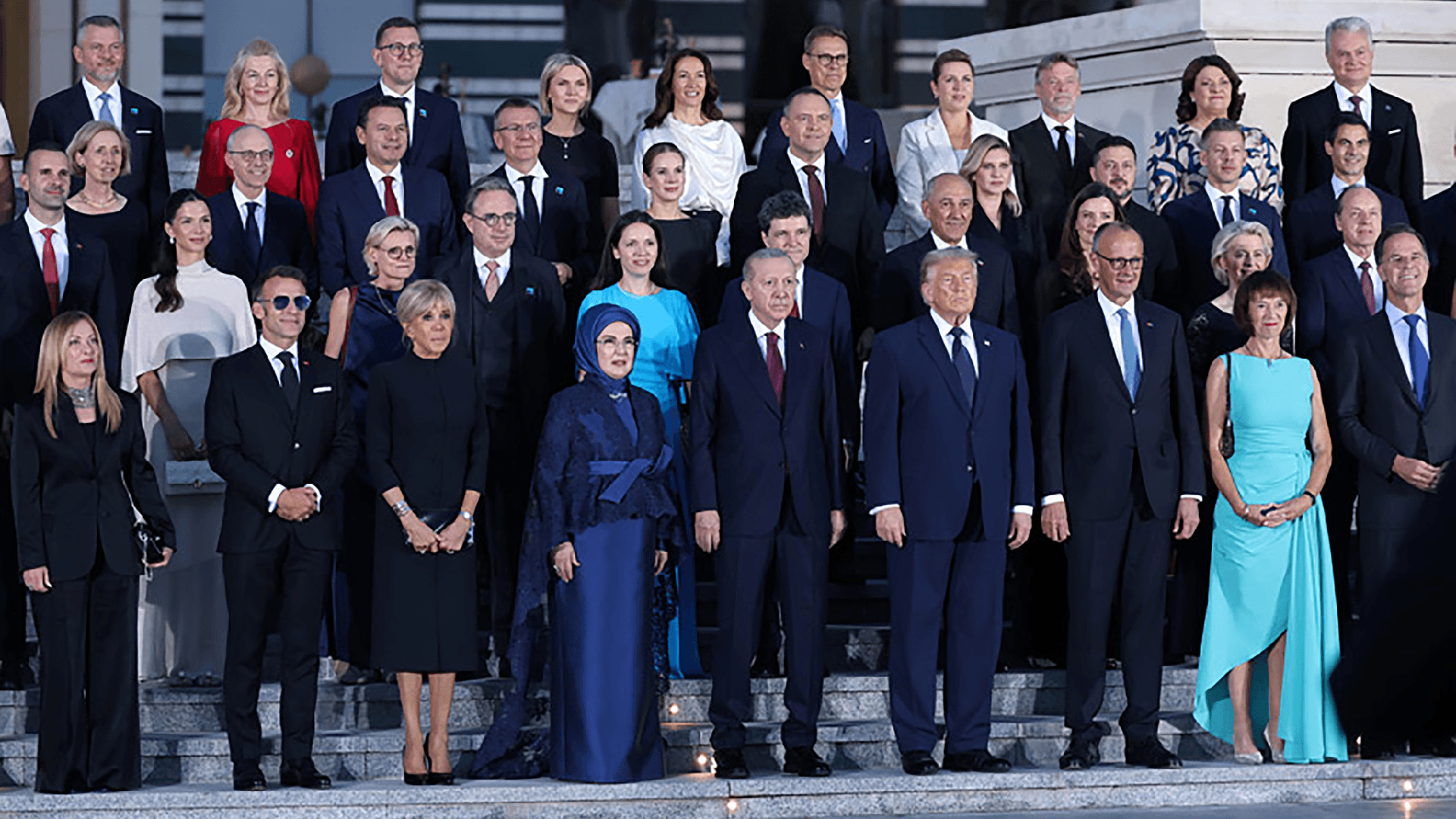
CGTN says the summit’s NATO Defense Industry Forum highlighted a shift toward industrial resilience, with Rutte describing an effort to move “from money to missiles” and “from defense plans to drones.”
It also argues that the core problem is implementation, saying defense budgets can increase faster than deployable capabilities because modern armed forces require production capacity, integrated supply chains, skilled personnel, advanced technologies and long-term procurement planning.
CGTN adds that political fragmentation persists, with Rutte acknowledging that disagreements among allies are inevitable and require constant management behind the scenes.
Trump, 5% target, production
CNBC reports that President Donald Trump challenged NATO’s united front at the summit in Ankara, slamming allies for not spending enough on defense and spotlighting internal divisions within the alliance.
“President Donald Trump challenged NATO's united front on Wednesday, slamming several allies for not spending enough on defense, spotlighting internal divisions within the alliance”
CNBC includes Trump’s remarks that he didn’t want “anything to do” with NATO member Spain, saying “Spain is a terrible partner in NATO. They don't participate. They don't pay. I don't want anything to do with Spain.”
Al-Jazeera Net frames the debate as not only about spending, saying NATO’s plans to bolster defenses face challenges tied to members’ failure to raise defense spending to 5% of GDP and to domestic manufacturing or procurement of U.S. precision weapons.
It says NATO decided to raise defense spending to 5% of member states’ GDP by 2035, with 3.5% for traditional defense spending and 1.5% to protect infrastructure and cybersecurity and to bolster defense industries.
Al-Jazeera Net also points to a production and supply-chain constraint, stating that “58% of European arms imports come from the United States.”
More on Europe

Hellenic Air Force F-16 Makes Emergency Landing at Zakynthos Airport After Technical Fault
11 sources compared
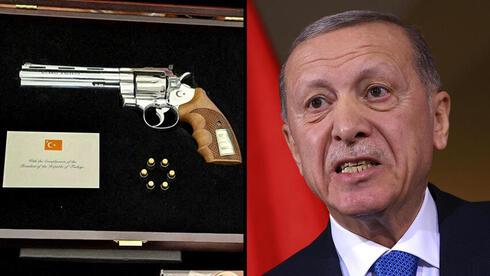
Recep Tayyip Erdogan Gifts Personalized Revolvers With Live Rounds to NATO Leaders in Ankara
39 sources compared
Trump Threatens To Cut Off Trade With Spain At NATO Summit In Turkey
17 sources compared

Berlin Court Sentences Palliative Care Physician Johannes M. To Life For Killing 15 Patients
13 sources compared