James Watson, DNA Pioneer and Racist, Dies at 97

James Watson, DNA Pioneer and Racist, Dies at 97

08 November, 202526 sources compared
Techonology and Science

Key Points from 26 News Sources

  1. 1

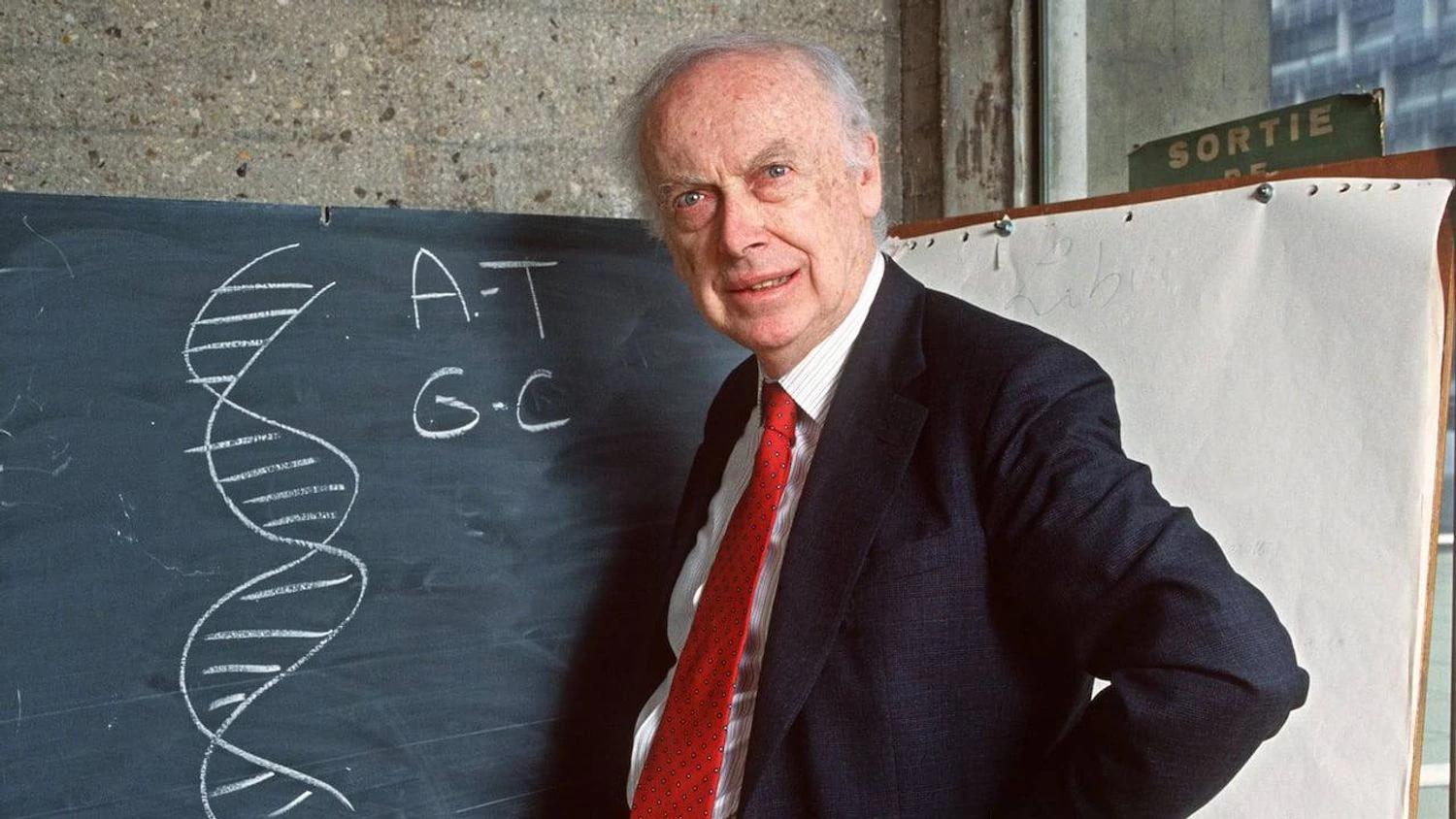
    James Watson co-discovered the DNA double-helix structure in 1953 with Francis Crick.

  2. 2

    He won the 1962 Nobel Prize in Physiology or Medicine for the DNA structure discovery.
  3. 3

    Watson’s reputation was severely damaged after repeated racist remarks led to revoked honors.

Full Analysis Summary

Life and Legacy of James Watson

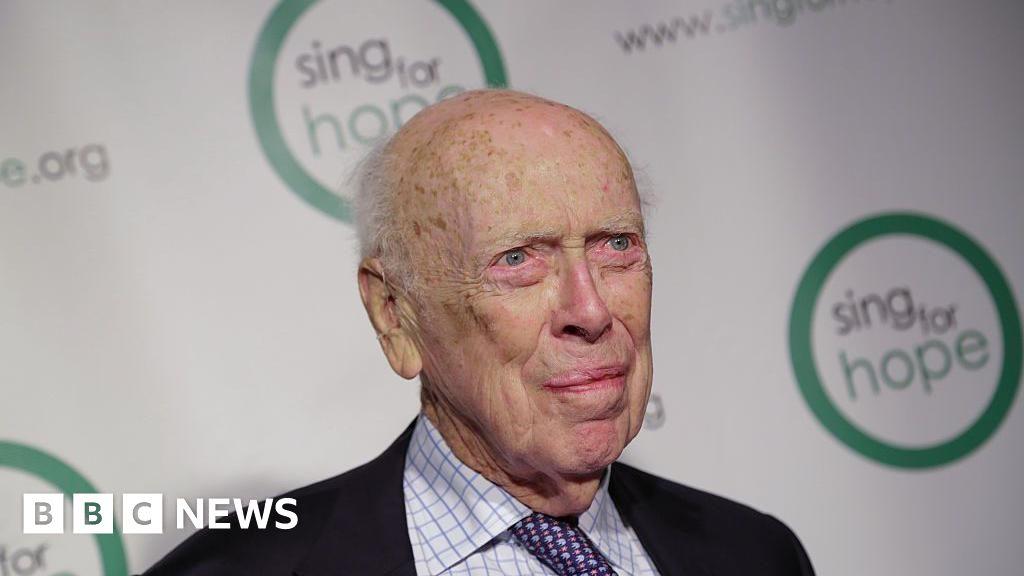
James D. Watson, the American biologist who co-discovered the DNA double helix, died at 97 on November 6 in East Northport, New York.

His family and Cold Spring Harbor Laboratory confirmed his passing after a hospitalization for infection and transfer to hospice care.
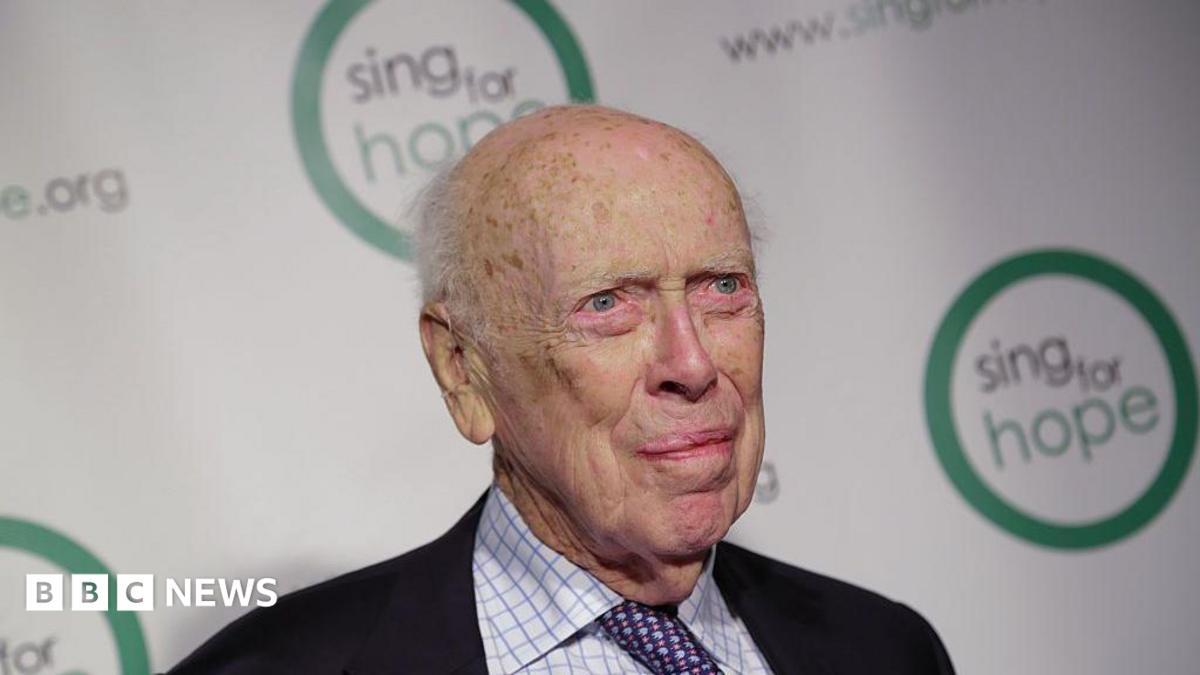
His 1953 breakthrough with Francis Crick transformed biology and led to the 1962 Nobel Prize.

However, late in life his reputation was overshadowed by writings and remarks widely condemned as racist and sexist.

These controversies resulted in his ostracism from the scientific community and the institution he once led.

Coverage Differences

tone

The Washington Post (Western Mainstream) foregrounds the ostracism and condemnation, noting his reputation was "overshadowed" by racist and sexist writings, while Mathrubhumi English (Asian) balances the obituary with achievements but still says his legacy was "marred" by racist and sexist remarks. Daily Mail (Western Tabloid) pairs the death notice and scientific legacy with sharper biographical color, including his forced retirement, whereas Sri Lanka Guardian (Asian) adopts a formal tone acknowledging his contributions while explicitly distancing the institution from his views.

missed information

Букви (Other) provides specific end-of-life details—hospitalization for infection, hospice care, and confirmation by both his son and CSHL—that many Western Mainstream obituaries do not include explicitly in their summaries.

Discovery of DNA Structure

Watson’s central scientific achievement was proposing DNA’s double-helix structure in 1953 with Francis Crick.

This breakthrough was based on X-ray data from Rosalind Franklin and Maurice Wilkins.

Watson, Crick, and Wilkins were awarded the 1962 Nobel Prize for this discovery.

Sources differ in how they describe Franklin’s role and the credit she received.

Some accounts neutrally state that her data was used in the discovery.
Other accounts emphasize that her contributions were initially uncredited or used without her knowledge.

These differing perspectives highlight ongoing debates about recognition and consent in the history of this scientific achievement.

Coverage Differences

tone

France 24 (Western Mainstream) uses neutral wording that Crick and Watson modeled DNA "using X-ray data" from Rosalind Franklin and Maurice Wilkins, while The Sydney Morning Herald (Western Mainstream) emphasizes that Franklin’s crucial work was "initially uncredited." Daily Mail (Western Tabloid) highlights controversy over "use... without proper credit," and The Star (Asian) goes further, stating it was done "without her knowledge."

narrative

Mathrubhumi English (Asian) and Sri Lanka Guardian (Asian) clearly enumerate the Nobel-sharing with Crick and Wilkins and present the scientific impact, whereas Daily Mail (Western Tabloid) foregrounds the memoir’s candid, controversial portrayal of colleagues connected to the Franklin credit controversy.

Watson's Scientific Leadership

Beyond the double helix, Watson held leadership posts at Harvard and Cold Spring Harbor Laboratory.

He helped transform Cold Spring Harbor Laboratory into a leading research center.

Watson became a public architect of the Human Genome Project, advocating open access and launching its ethics research component.

Asian and Western outlets alike note his additional work in cancer research and genetics policy.

Some highlight how personal family health concerns shaped his push for large-scale genomics.

Coverage Differences

narrative

BBC (Western Mainstream) emphasizes institutional impact, saying he helped transform Cold Spring Harbor into a leading research institution; Daily Mail (Western Tabloid) underlines that he championed the Human Genome Project as open access; NBC New York (Western Mainstream) focuses on his policy leadership and the creation of the HGP’s ethics research component.

missed information

Sri Lanka Guardian (Asian) and newsarenaindia (Other) add that Watson contributed to cancer research—an area not foregrounded in Western Mainstream summaries focused on genomics leadership.

Controversial Legacy and Consequences

His legacy is largely defined by racist statements about intelligence and race.

In 2007, he expressed a pessimistic view about Africa, saying he was "inherently gloomy about the prospect of Africa."

This statement led to his suspension and removal from leadership at Cold Spring Harbor Laboratory.

In a 2019 PBS documentary, he repeated similar views.

Cold Spring Harbor Laboratory described these remarks as "reprehensible" and revoked his emeritus status and honorary titles.

Media coverage varies in how directly they quote him and in how broadly they describe the damage his remarks caused to his career and reputation.

Coverage Differences

tone

The Star (Asian) directly quotes Watson’s 2007 line—“inherently gloomy about the prospect of Africa”—while Onmanorama (Asian) characterizes the claim as suggesting Black people are less intelligent, and BBC/France 24/Gulf News (Western Mainstream/West Asian) underscore the institution’s description of his 2019 remarks as “reprehensible.”

narrative

NBC New York (Western Mainstream) stresses the 2007 scandal led to suspension and retirement, while SSBCrack News (Other) generalizes the outcome as dismissal and revocation of all honorary titles; Mathrubhumi English (Asian) specifies his removal as chancellor in 2007 with lasting reputational damage.

Watson's Later Life and Legacy

Later years underscored the chasm between towering scientific accomplishments and public repudiation.

He sold his Nobel medal in 2014 for $4.8 million, which buyer Alisher Usmanov later returned.

Outlets also note Jeff Goldblum portrayed Watson in a BBC film, highlighting his precocious start at the University of Chicago at 15.

Cold Spring Harbor Laboratory formally distanced itself from him even as it acknowledged his contributions.

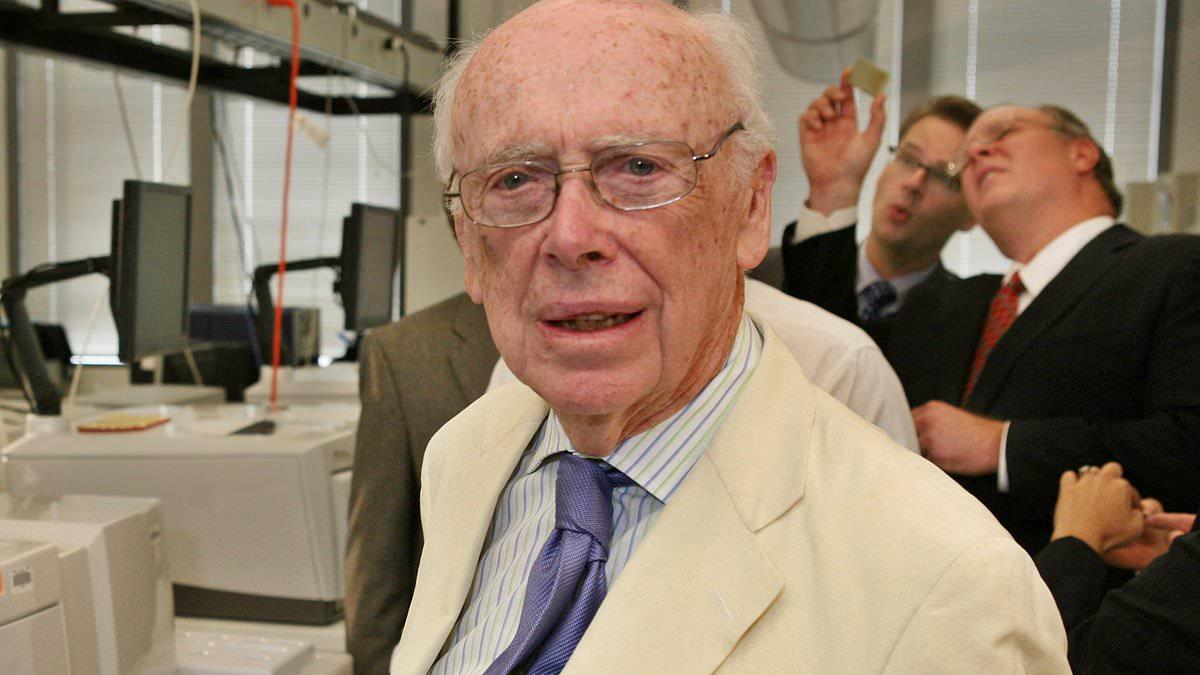
Some profiles add he supported female scientists and prized his writing, though this mitigating note is uncommon outside tabloid coverage.
Coverage Differences

narrative

The Sydney Morning Herald (Western Mainstream) and BBC (Western Mainstream) detail the 2014 sale and the buyer returning the medal, emphasizing ostracism; Gulf News and France 24 (West Asian/Western Mainstream) highlight popular-culture portrayals and honors, such as Jeff Goldblum’s portrayal; Букви (Other) focuses on early-life milestones and the mechanics of his death and confirmation.

tone

Sri Lanka Guardian (Asian) notes CSHL’s balancing act—acknowledging contributions while distancing itself from his views—whereas Daily Mail (Western Tabloid) adds the unusual claim that he supported many female scientists and considered his writing his proudest achievement, a softer counterpoint to mainstream focus on harm and ostracism.

All 26 Sources Compared

BBC

DNA pioneer James Watson dies at 97

Read Original

BBC

DNA pioneer James Watson dies at 97

Read Original

bgnes

James Watson, Nobel laureate and co-discoverer of DNA structure, dies at 97

Read Original

CTV News

James Watson, co-discoverer of the double-helix shape of DNA, has died at age 97

Read Original

Daily Mail

Nobel Prize-winning scientist and DNA pioneer James Watson dies aged 97 - after sharing 1962 award with Britain's Francis Crick and Maurice Wilkins before later facing criticism for comments on race

Read Original

Fox News

James Watson, Nobel-winning co-discoverer of DNA’s double-helix structure, dead at 97

Read Original

France 24

James Watson, Nobel prize-winning DNA pioneer, dead at 97

Read Original

Gulf News

James Watson, Nobel prize-winning DNA pioneer, dies at 97

Read Original

Mathrubhumi English

James Watson, DNA pioneer and nobel laureate, dies at 97

Read Original

Moneycontrol

James Watson, Nobel Prize winner and DNA pioneer, dies at 97

Read Original

NBC New York

James Watson, controversial co-discoverer of the double-helix shape of DNA, dies at 97

Read Original

NE NOW

Nobel laureate James Watson, co-discoverer of DNA structure, dies at 97

Read Original

newsarenaindia

James Watson, Nobel prize-winning DNA researcher, dies at 97 in New York

Read Original

Newsday

James D. Watson, Nobel Prize winner and former Cold Spring Harbor lab leader, dies at 97

Read Original

Onmanorama

James Watson, co-discoverer of DNA's double-helix shape, dies at 97

Read Original

RTE.ie

DNA pioneer James Watson dies aged 97

Read Original

Sri Lanka Guardian

James Watson, DNA Pioneer, Dies at 97 Amid Controversy

Read Original

SSBCrack News

James Watson, Co-Discoverer of DNA Structure, Dies at 97

Read Original

The Guardian

James D Watson, who co-discovered DNA’s twisted-ladder structure, dies aged 97

Read Original

The Independent

James Watson, discoverer of the double-helix shape of DNA, dies age 97

Read Original

The Star

DNA pioneer James Watson dies at 97

Read Original

The Sydney Morning Herald

James Watson, co-discoverer of the DNA helix, dies at 97

Read Original

The Washington Post

James Watson, who helped unravel genetic blueprint for life, dies at 97

Read Original

Times of India

James Watson dies at 97: The DNA discoverer whose ‘Double Helix’ changed science forever

Read Original

Букви

James Watson, DNA Structure Discoverer and Nobel Laureate, Dies at 97

Read Original

Українські Національні Новини

US geneticist James Watson, co-discoverer of DNA who was stripped of scientific titles, dies

Read Original