Asia08 June, 20263 min read
Japan Demands Seoul Relocate 2011 Seated Girl Statue Outside Japanese Embassy
This article is an automated aggregation of coverage from news outlets. Our editorials offer in-depth analysis curated by the NewsCord team.
President Lee Jae Myung demands a sincere apology for colonial rule before deeper military ties. Bronze statue of a seated teenage girl stands outside Seoul's Japanese embassy since 2011.
Comfort Women Statue Dispute
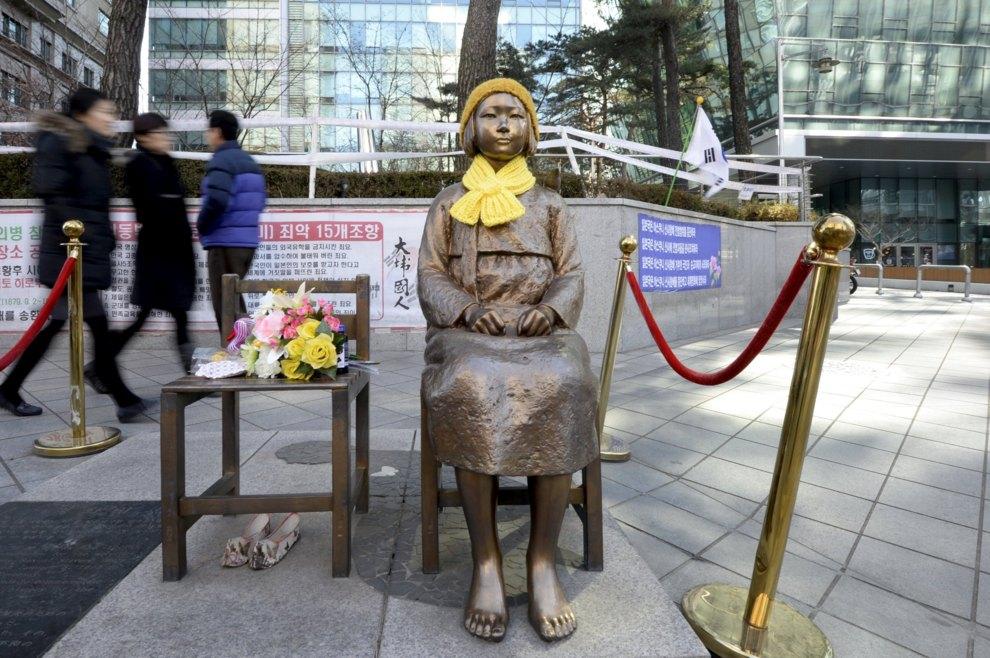
A bronze statue of a seated teenage girl with closed fists and a fixed gaze was installed in front of the Japanese embassy in Seoul on 14 de diciembre de 2011 by the Consejo Coreano de Mujeres Esclavas Sexuales de Japón, coinciding with their protesta número 1.000. The group’s demonstrations demanded “compensaciones” and that Tokyo “admitiera el crimen de guerra,” and the work by sculptora Kim Seo-kyung and her husband became a reference point that inspired replicas in Corea del Sur and other parts of the world. The dispute has also involved Japan’s response to the monument, with the article saying Tokyo considered the embassy protest “muy lamentable,” and that Japan has repeatedly demanded that South Korea relocate the monument.
The article links the issue to diplomacy, saying the diario Asahi Shimbun reported that primer ministro japonés Shinzo Abe demanded removal during a meeting with presidenta surcoreana Park Geun-hye on 2 de noviembre, alongside a pact to settle the controversy. Japan’s foreign minister Fumio Kishida recognized responsibility for “las autoridades militares japonesas” and said the behavior was “una grave afrenta al honor y la dignidad” of many women, while Seoul’s foreign minister Yun Byung-Se said Japan’s fulfillment would end the controversy “definitiva e irreversible.”
Seoul-Tokyo Military Cooperation Condition
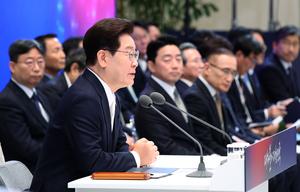
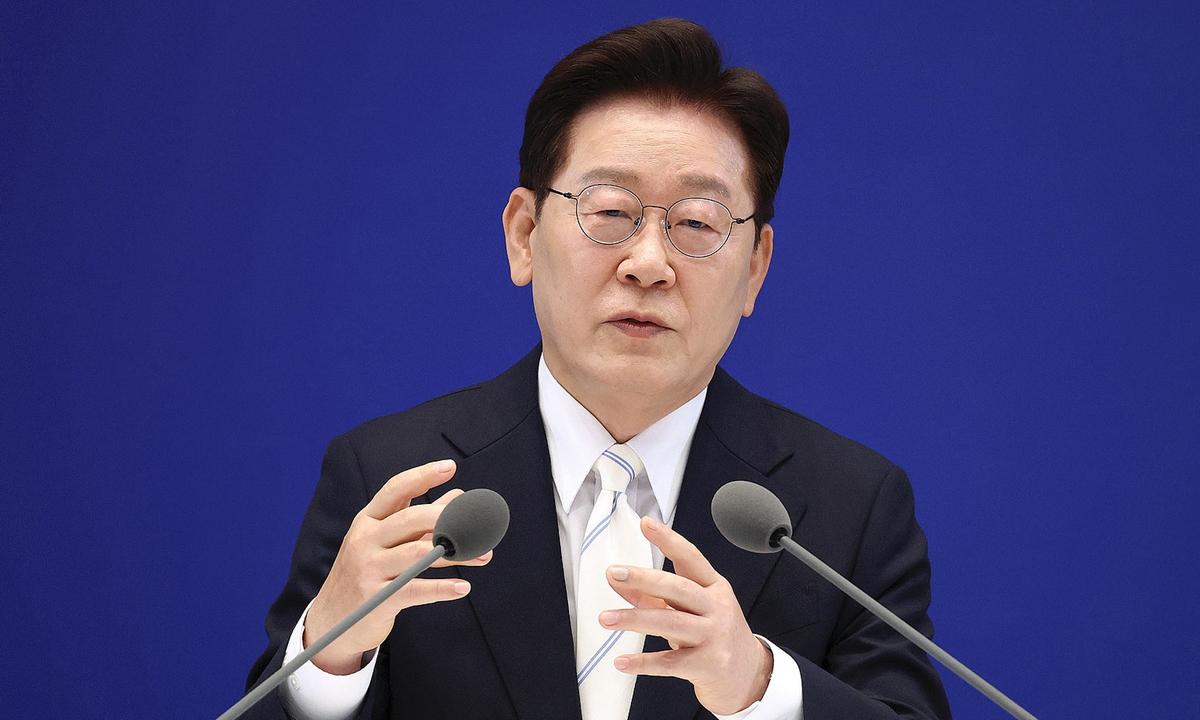
South Korean President Lee Jae Myung said efforts to deepen military cooperation with Japan would face limits unless Tokyo addresses historical grievances with what he described as a “sincere” apology for Japan’s 1910-45 colonial rule of Korea. Speaking at a press conference marking his first year in office at Cheong Wa Dae, Lee told Japanese Prime Minister Sanae Takaichi that “it is currently difficult for us to accept this” regarding a bilateral Acquisition and Cross-Servicing Agreement (ACSA) because of public sentiment. The Korea Herald report says Lee argued that a sincere Japanese apology remains a prerequisite for deeper military cooperation and a closer bilateral relationship, quoting him as saying, “There must be a sincere apology - one that sincerely says, 'I'm really sorry for hurting you.'”
Global Times also quoted Lee saying, “It is because these (historical) issues have not been fundamentally settled,” and added that he believes they “must be resolved one day - they absolutely must.” The ACSA, as described in the sources, would allow the two neighboring US allies to share and mutually procure military supplies and logistical support, including fuel, food and ammunition, while Lee took a cautious stance on trilateral South Korea-US-Japan cooperation and South Korea-Japan military cooperation.
Domestic Politics and Election Fallout
In the same period of foreign-policy remarks, Lee Jae Myung also addressed domestic politics after ballot shortages marred the June 3 local elections, saying the disruption was “not about the number of votes or the outcome,” but “a matter of principle.” The Korea Herald report said the National Election Commission acknowledged Friday that ballot shortages occurred at 50 polling stations nationwide, including 22 where voters were forced to wait because ballot papers failed to arrive on time, and Lee said, “We need to at least establish the truth.” Lee said he had reflected on whether he lacked “sensitivity to sovereignty,” and he described the protests as “a warning from the people” while noting that his Democratic Party of Korea won 12 of the country’s 16 mayoral and gubernatorial races and the main opposition People Power Party retained four.
The article also said Lee held a rare meeting at Cheong Wa Dae with National Assembly Speaker Cho Jeong-sik, Chief Justice Cho Hee-dae, Constitutional Court President Kim Sang-hwan, and outgoing Prime Minister Kim Min-seok to discuss the incident and possible institutional responses. In his remarks on Japan, Lee tied the limits on military cooperation to public sentiment, saying “many people in the Republic of Korea would say, 'What are you talking about?'” about the logistics support agreement, even as he described a “practical necessity” for it.