Asia05 November, 20252 min read
Japan Deploys Military to Hunt Bears After Deadly Surge in Attacks Killing 13
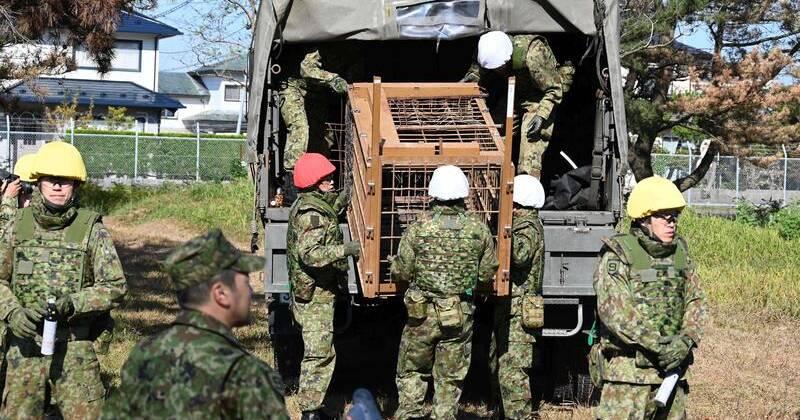
Japan deployed military troops to Akita prefecture to contain a surge in bear attacks. Since April 2025, bear attacks have killed at least 12-13 people and injured over 100.
27 outlets told this the same way.
Outlets did split on Avalanche Strikes Himlung Himal Base Camp In Nepal, At Least 10 Missing →
Japan Deploys Troops for Bear Attacks
Japan has deployed Self-Defense Force (SDF) troops to Akita prefecture after a record surge in bear attacks. Casualty counts differ by source: Western mainstream outlets commonly report at least 12 deaths and over 100 injured since April. A Western alternative outlet puts the toll at 13 dead and nearly 100 injured.
“Since April, over 100 people have been injured and at least 12 killed nationwide, marking the highest annual death toll from bear attacks since 2006.”
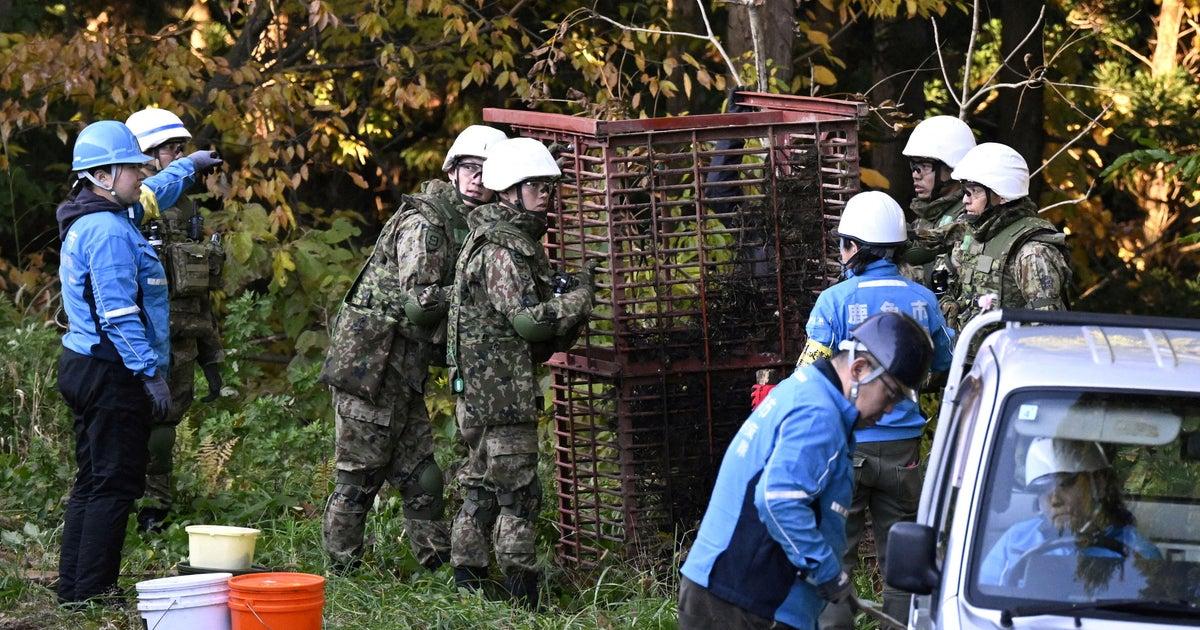
Under agreements with local officials, soldiers are assisting with setting traps, transporting hunters, and disposing of dead bears, but will not use firearms. Coverage notes that troops arrived with protective gear and trapping equipment. Operations began in Kazuno with potential expansion to other areas.
Several sources describe this as the worst bear-attack year in recent times, underscoring the urgency of the deployment. It is clarified that lethal control remains the responsibility of licensed hunters.
Bear Sightings Disrupt Communities
Local life has been upended as bears appear near schools, train stations, supermarkets, resorts, and even tourist sites. These appearances have prompted temporary school closures and widespread alarm. Authorities report more than 8,000 sightings in Akita, which is about six times the usual number.
This increase has led the governor to request Self-Defense Forces support in cities such as Kazuno, Odate, and Kitaakita through the end of the month. Reports describe soldiers helping set and check traps while licensed hunters handle any culling. Daily attacks and sightings force residents to avoid outdoor activities.

Bear Incidents and Causes
Sources agree that a combination of climate stress, hungry bears preparing for hibernation, and changes in human populations is driving the situation. Climate change is reducing natural food sources, which contributes to an increase in bear populations. At the same time, rural depopulation and an aging hunter demographic are factors influencing the issue.
“Bear attacks typically peak in October and November as the animals forage before hibernation.”
Mainstream reports also connect abandoned farmland to the rise in bear incursions. Bear attacks tend to peak in October and November when bears are actively foraging. The regions of Akita and neighboring Iwate experience a significant share of these incidents.
Government Bear Management Plan
Beyond the immediate deployment, the government is building a longer-term response. A national taskforce is working toward an official bear management plan, including population surveys, improved warning systems, revised hunting rules, and training police and experts as specialized “government hunters.”
Other measures under discussion include recruiting more hunters and easing gun regulations. Multiple outlets stress that the SDF’s role is limited: troops assist with traps and logistics, do not use firearms, are deployed to specific cities until month’s end, and, officials say, cannot stay on bear control indefinitely.
Violence Concentrated in Akita
Akita is the epicenter of the crisis, with more than 50 attacks since May and at least four deaths in that prefecture alone. Most incidents have occurred in residential areas. Individual cases include two elderly women killed while mushroom hunting and farming, and an injured newspaper delivery man.
“In Akita prefecture, Japan, bears have attacked over 50 people since May, resulting in at least four deaths, mostly in residential areas.”
Reports indicate that two-thirds of national incidents have clustered in Akita and neighboring Iwate. No other prefectures have requested troop assistance so far, highlighting how concentrated the crisis remains even as national casualties rise.