Japanese Fans Stadium Clean-Up Sparks Backlash Over Unequal Household Chores, Women Say 'Do It At Home'
Key Takeaways
- Stadium clean-up tradition by Japanese fans persists after World Cup matches.
- Backlash over gender double standards: men clean publicly, wives handle home chores.
- Debate features defenders of tradition and calls for equal domestic labor.
Stadium cleanup backlash
Japanese football fans who clean stadiums after matches have faced backlash at home after photos showed supporters collecting litter from stadium stands following a match, with a viral social media debate linking the gesture to gender inequalities in household work.
“- Published For years, Japanese football fans have won praise for cleaning up stadiums after World Cup matches”
The BBC described a Japanese poster that juxtaposed a man picking litter at the stadium with the same guy reclined on a sofa at home while his wife did the dishes, and said the poster text told men to "pitch in more at home" as their time spent doing chores is among the shortest in the world.
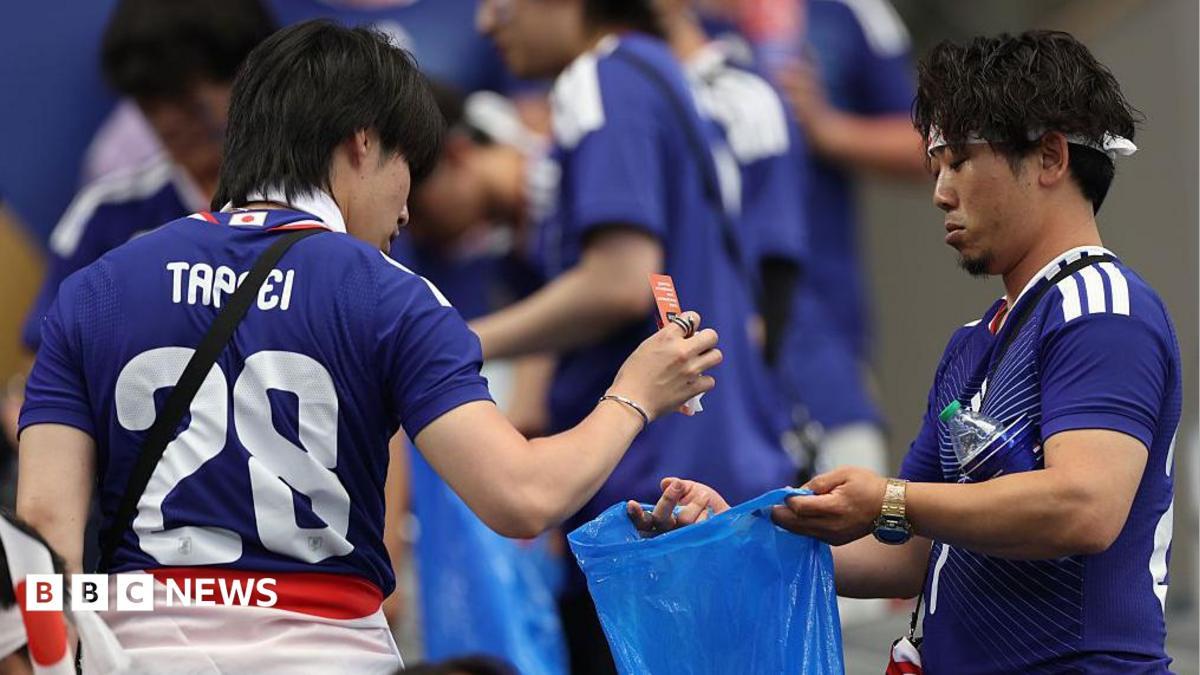
The BBC reported that the poster had been liked 60,000 times on X, and it said the debate intensified as users compared public cleanliness with unpaid domestic labor.
The BBC also tied the criticism to OECD data from 2021, saying Japanese women spend more than three hours per day on unpaid work while men clock 47 minutes a day.
In the same debate, News18 said the viral post contrasted a man picking up rubbish at a stadium with him relaxing on a sofa at home while his wife washed dishes and handled household chores.
Voices and quotes
The BBC quoted an X user saying, "Everyone wants to save the world, but no one wants to help mom do the dishes," as the debate over whether the same men clean in public but leave burdens at home spread.
Another BBC quote came from an X user who pushed back on the criticism with "Where's the embarrassment in that?" while arguing that stadium cleanups should be encouraged rather than nitpicked.
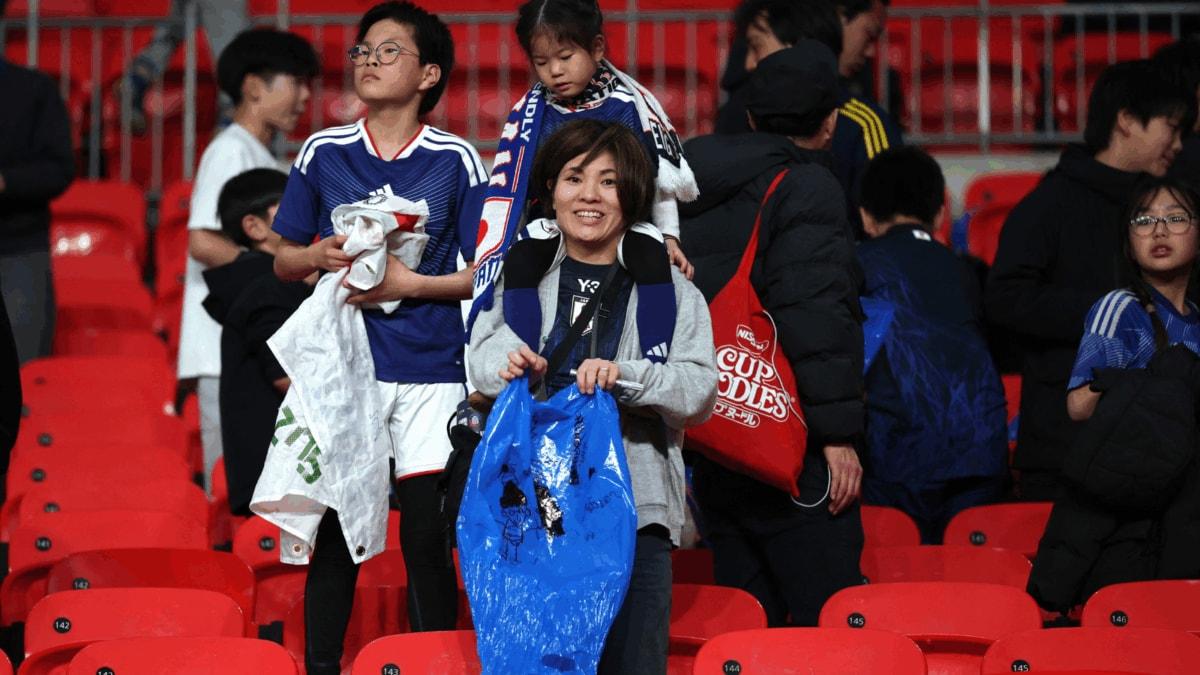
News18 reported that not everyone agreed with the backlash, saying supporters defended the cleanup tradition as reflecting a cultural emphasis on cleanliness, responsibility and respect for shared spaces.
News18 also said the online debate received tens of thousands of likes and triggered a broader discussion about gender roles in Japanese society, while Firstpost framed the backlash around the phrase "Do it at home".
Firstpost added that after Japan’s 2-2 draw against the Netherlands on Monday, June 15, several fans were seen putting garbage in trash bags and helping clean the stands at the AT&T Stadium in Arlington, Texas.
What’s at stake next
The BBC said the disparity in unpaid work is especially pronounced in young families, citing a government survey from 2021 that found in dual-income households with children under six years old, women spend more than seven hours a day on household chores while men spend less than two hours.
“Japan Football Fans Continue Stadium Clean-Up Tradition, Their Wives Say 'Do It At Home Too' Viral debate in Japan questions whether men who clean stadiums also share housework, highlighting OECD data on gender chore gaps while supporters defend the cleanup tradition Japanese football fans, long celebrated worldwide for cleaning stadiums after matches, are facing criticism at home after a viral social media debate linked their public displays of civic responsibility to gender inequalities in household work”
News18 similarly pointed to OECD data, saying Japanese women spend more than three hours each day on unpaid household work compared with less than an hour for men, and that the gap is even more pronounced in families with young children.
Firstpost connected the controversy to the 2026 World Cup schedule, saying after a draw against the Netherlands, Japan would be in action against Tunisia in the World Cup group-stage match on Sunday, June 21, at Estadio Monterrey in Guadalupe, Mexico.
Unseen Japan highlighted a prominent pushback from Tamada Atsuko, describing her as a professor and saying she wrote that she’d like Japanese men to start by "sharing the work inside the home."
The BBC also said the stadium cleanups appear to have influenced fans from other countries, including Portuguese fans who collected rubbish from the stands with large plastic bags, with many social media users crediting the Japanese with starting the trend.
More on Sports

Leinster Rout Bulls 36-7 to Retain United Rugby Championship Title at Croke Park
11 sources compared

FIFA Switches World Cup 2026 Table Tiebreaker to Head-To-Head Records
10 sources compared

Henry Nicholls Unbeaten 119 Drives New Zealand to 352-Run Lead Over England at The Oval
10 sources compared

Thomas Tuchel Presses FIFA To Move Photographers After He Could Not See England Players
12 sources compared