Asia28 November, 20252 min read
Japan's Tokyo High Court Rules Same-Sex Marriage Ban Constitutional
This article is an automated aggregation of coverage from news outlets. Our editorials offer in-depth analysis curated by the NewsCord team.
Tokyo High Court upheld the constitutionality of Japan's ban on same-sex marriage Only the Tokyo High Court, among six high courts, backed the government's position

9 outlets told this the same way.
Outlets did split on Avalanche Strikes Himlung Himal Base Camp In Nepal, At Least 10 Missing →
Tokyo same-sex marriage ruling
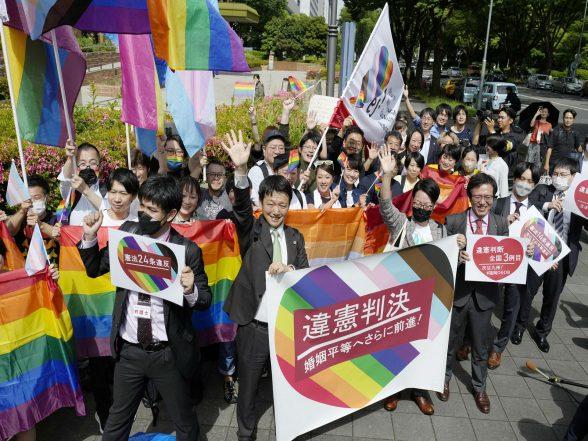
Tokyo’s High Court on Friday ruled that Japan’s ban on same-sex marriage is constitutional, reversing a lower-court finding and denying the plaintiffs’ claims for damages. Presiding Judge Ayumi Higashi concluded that under current civil law the exclusion of same-sex couples does not violate constitutional Articles 14 and 24, and dismissed claims for ¥1 million (about USD 6,400) per plaintiff.
“A Tokyo High Court has ruled that Japan’s ban on same-sex marriage is constitutional, becoming the only high court so far to back the government among six similar lawsuits nationwide, Kyodo News reports.”
The ruling is the final one of six high-court decisions on similar nationwide cases and is the only high-court judgment so far to back the government’s position. Plaintiffs had appealed a March 2024 Tokyo District Court decision that described the situation as "unconstitutional."
Court ruling on marriage law
The court's legal reasoning, as reported, leaned on traditional statutory understandings of family and marriage. Judge Higashi said current civil law "largely expects" marriage to be between a man and a woman and described defining family as a couple with children as rational under present circumstances. The plaintiffs - eight people in their 40s-60s - argued the civil law ban violated constitutional guarantees of equality and freedom of marriage and sought ¥1 million each, but the court again rejected compensation claims.
Same-sex rulings in Japan
The decision arrives against a patchwork of court rulings around Japan. Of 12 high- and lower-court decisions cited across outlets, most have found the lack of legal recognition for same-sex couples unconstitutional, though many denied damages.
“Earlier high-court rulings in several prefectures found the lack of legal recognition unconstitutional, though they denied compensation; of 12 court decisions overall, only this Tokyo High Court and the Osaka District Court have upheld constitutionality.”
Only a small number of courts, notably the Osaka District Court and now this Tokyo High Court, have explicitly upheld constitutionality. Reporters note that all cases are expected to be consolidated or ultimately reviewed by the Supreme Court, which could issue a unified ruling as soon as next year.
Japan marriage rights context
Observers and media coverage underscore the broader social and constitutional context surrounding the issue. Article 24 of Japan's Constitution, cited in reporting, frames marriage as based on the mutual consent of "both sexes," and commentators note Japan remains the only G7 country without legal same-sex marriage or civil unions. Several sources emphasize mounting pressure from LGBT groups and allies seeking legislative or judicial remedies, while other reports adopt a narrowly legal focus that highlights procedural posture and appeals.
Japan court appeal update
What happens next is unsettled but procedural. Plaintiffs have appealed prior district rulings, and many outlets report the Supreme Court is expected to deliver a unified resolution, possibly as early as next year. Coverage uniformly notes the complex, mixed record on damages.
“The Supreme Court is expected to issue a unified ruling next year.”
Several courts have found the lack of recognition unconstitutional but still denied compensation. The Tokyo High Court ruling places a high-profile question squarely before Japan's top court.