Business16 December, 20252 min read
Jared Kushner Cancels Trump Tower Belgrade After Serbian Prosecutors Indict Four Senior Officials in Corruption Probe
This article is an automated aggregation of coverage from news outlets. Our editorials offer in-depth analysis curated by the NewsCord team.
Affinity Partners, founded by Jared Kushner, withdrew from the planned Trump-branded Belgrade development Serbian prosecutors charged four senior government officials in a corruption probe linked to the project

12 outlets told this the same way.
Outlets did split on CATL Starts Trial Production at Debrecen Battery Cell Plant in Hungary →
Belgrade hotel project withdrawal
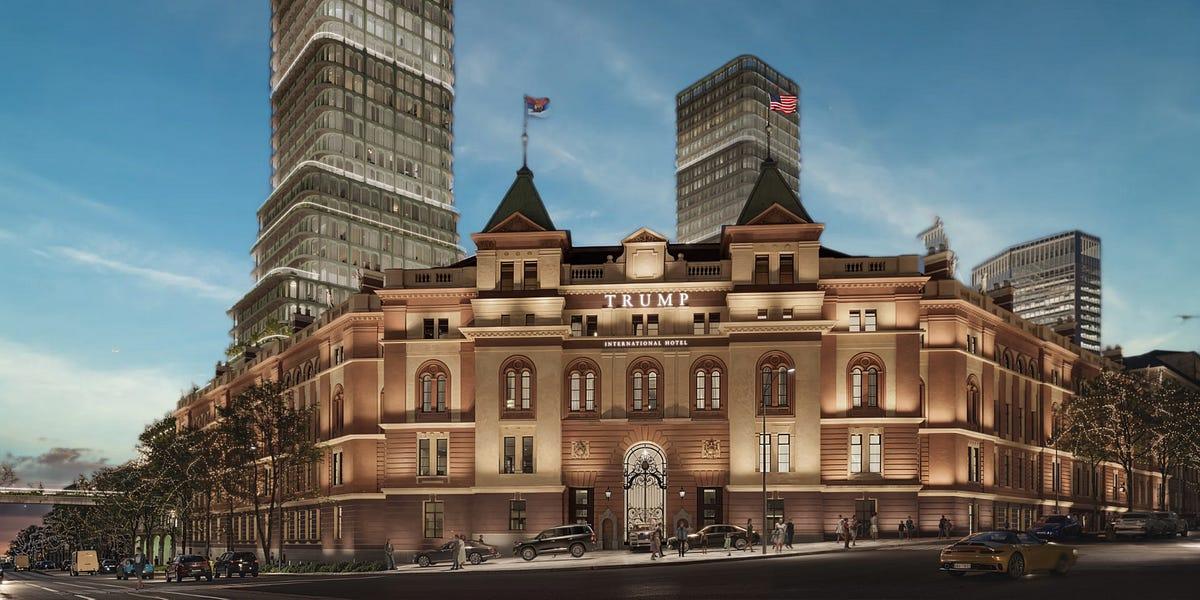
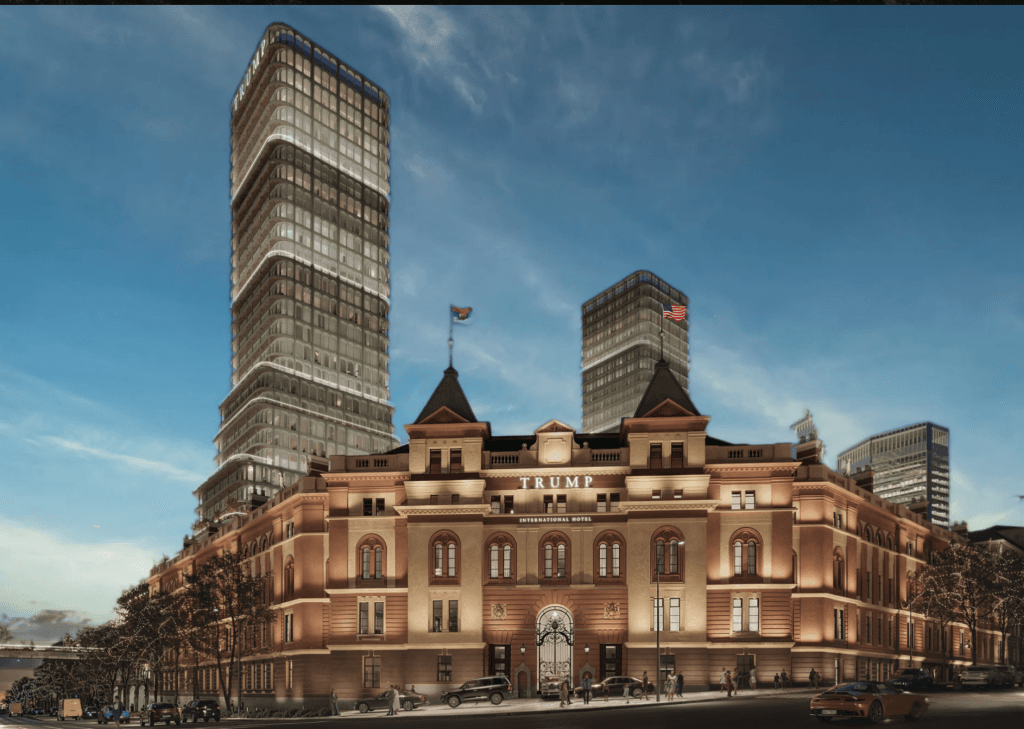
Jared Kushner's private equity firm Affinity Partners announced it was withdrawing from a planned Trump-branded luxury hotel and mixed-use development in central Belgrade after Serbian prosecutors indicted four senior government officials in a corruption probe. The project would have redeveloped the bomb-damaged former Yugoslav General Staff headquarters in downtown Belgrade and was reported as roughly a $500 million redevelopment for which Affinity had signed a 99-year lease. Affinity's spokesperson said the firm was leaving because "meaningful projects should unite, not divide," and the withdrawal came hours after prosecutors brought charges tied to the deal.
“Affinity — largely funded by foreign sovereign wealth funds — had signed a 99-year lease in 2024. Its spokesperson said the firm withdrew because 'significant projects should unite rather than divide' and out of respect for the Serbian people and Belgrade.”
Cultural heritage dispute
The legal and cultural heritage controversy was central to the backlash. The site had been legally protected as cultural property and was seen by many as a 1999 bombing memorial. Officials moved to strip those protections days after Trump's election, a step critics said enabled the redevelopment.
Prosecutors indicted four officials on charges including falsifying documents used to remove the site's cultural-heritage status. Adnkronos reports that the interim head of the institute for protection of cultural monuments, Goran Vasić, confessed to falsifying the document. Those moves prompted public protests, resignations, and sustained criticism from judges and opposition figures.
Belgrade deal controversy
The political fallout was immediate and polarized. President Aleksandar Vučić had strongly backed and promoted the deal as an investment and tourist draw, and hosted Kushner and Donald Trump Jr. He denounced the subsequent prosecutions as a "witch hunt," and warned the site would be left to decay.
“President Aleksandar Vučić... denounced the prosecutions as a 'witch hunt' and warned the building will be left to decay.”
Opponents, activists and parts of the press framed Kushner's exit as the product of legitimate public outrage, legal scrutiny and political pressure. Coverage noted public protests, resignations, and criticism from the judiciary and opposition figures. Affinity framed its exit as respect for Belgrade and a desire not to inflame divisions.
Kushner and Affinity controversies
Observers and analysts connected the collapse of the Belgrade project to wider questions about Kushner's dual role as a political adviser and international investor and the governance risks of such deals. Popular Information and Judd Legum argue the failed deal shows how Kushner's simultaneous investor and foreign-policy roles put pressure on foreign governments.
Reporting also links Affinity to other contested projects, including an ultra-luxury resort on Sazan Island in Albania where lawmakers carved out a legal exception to permit development inside protected parkland. Coverage notes Affinity is largely funded by foreign sovereign wealth funds, underscoring geopolitical and environmental concerns tied to these investments.
Project withdrawal fallout
The withdrawal leaves an uncertain future for the site and raises broader questions about investment and oversight. Serbian leaders lamented the outcome, with Vučić saying the stalled site would now remain in ruin, while critics argued the episode exposed political expedience and legal breaches. Reporters noted that the collapse drew attention because it prompted a foreign corruption investigation and underscored how high-profile deals can become politically toxic, suggesting other, less contentious investments may continue even as this project is shelved.
“Vučić, who promoted the deal as an investment and tourist draw and had sought aid from Trump’s family, lamented the stalled site would now remain in ruin.”