Full story
Death in Battersea
Jason Arday, the former University of Cambridge professor involved in a plagiarism controversy, was found dead this Friday after being found unconscious at a residence south of London in the Battersea district.
“a 41-year-old man was pronounced dead at the scene”
The Metropolitan Police Service of the capital said officers were alerted by the London Ambulance Service after being notified that a man had been found unconscious at a property, and that "a 41-year-old man was pronounced dead at the scene."
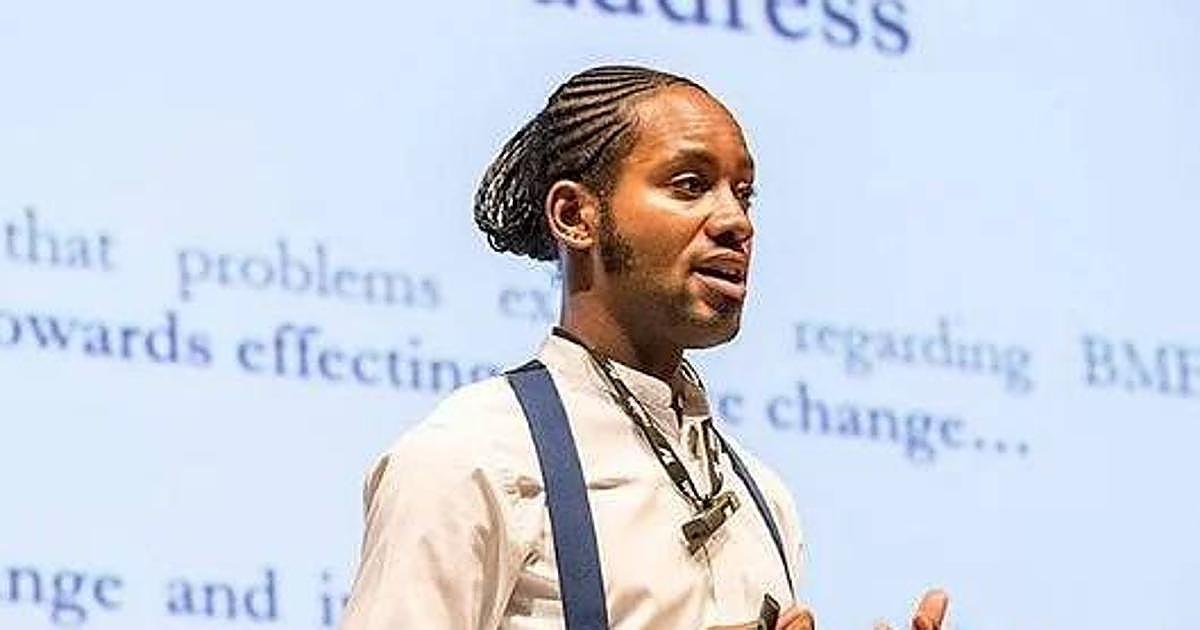
Police said for the moment his death was being treated as non-suspicious, but officers did not believe there were any suspicious circumstances, and they said a report would be prepared for the coroner.
Arday had resigned earlier this month amid scrutiny over accusations of plagiarizing parts of his doctoral thesis, and the scandal erupted after some academics and media outlets accused him of plagiarism.
In a post published on his social media, Arday said resigning was “the only way” to put an end to what he described as a “difficult period,” while stressing that this decision should not be “confused with an acceptance of the narratives” that had surrounded him.
Calls for reflection
Britain’s prime minister, Andy Burnham, called for reflection after Arday’s death, saying it was “a tragedy on so many levels” and that it was “a moment for reflection”.
Burnham told reporters, "It's not a moment for any rushing to judgement. It’s a moment for reflection, I would say, reflecting on how things came to this," while Arday’s family said they were in shock and described a “campaign of misinformation” as “too much for Jason.”
Cambridge vice-chancellor Deborah Prentice said she was “desperately saddened” by the news and said the university would investigate the circumstances around Arday’s employment.
Friends and supporters described the scrutiny as a targeted campaign, with Professor of Black studies Kehinde Andrews telling Sky he had met Arday on Monday to offer support and suggesting he had been targeted because of the colour of his skin.
The BBC also reported that London Mayor Sir Sadiq Khan said Arday was subjected to unrelenting media scrutiny, calling it “an unacceptable public hounding and campaign of abuse” and “a pernicious public shaming.”
Aftermath and scrutiny
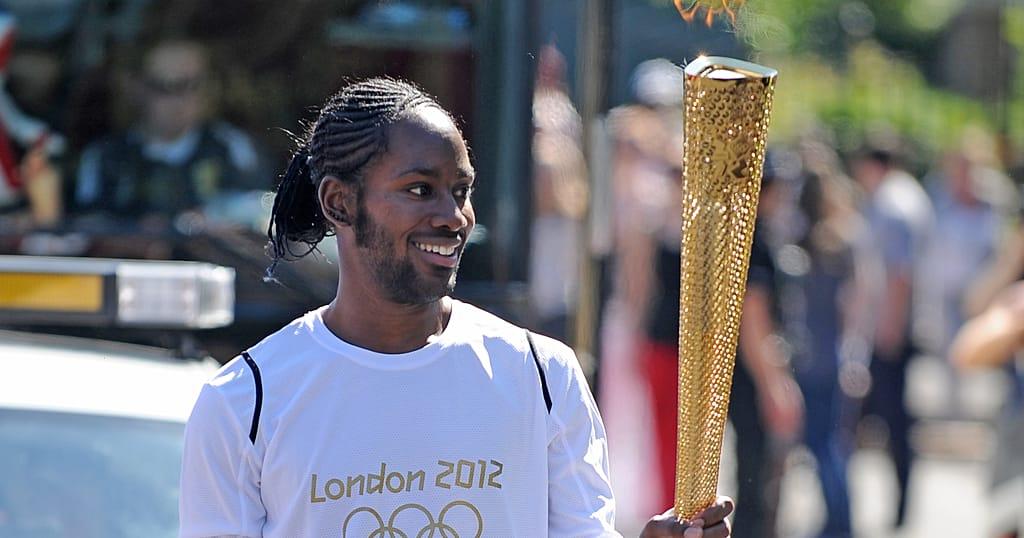
Arday’s death came after weeks of allegations about plagiarism in his academic work and questions surrounding claims about his athletic and fundraising accomplishments, with the BBC and AP describing a storm of coverage after his resignation.
“bombarded by every media outlet to paint him as a fraud”
The AP reported that Arday’s family said he suffered years of abuse and harassment, while Simon Baron-Cohen told the BBC that Arday had been “bombarded by every media outlet to paint him as a fraud.”
Cambridge initially stood by Arday, saying the plagiarism allegations had been investigated by Liverpool John Moores University, which awarded Arday’s doctorate, but it later opened an investigation “following new information about Professor Arday’s qualifications and honorary appointments.”
The BBC said a vigil would be held on Monday evening on the steps of the National Gallery in Trafalgar Square by Stand Up To Racism, whose co-convenor Weyman Bennett said Arday’s death “was the result of a racist witch hunt”.
In parallel, the BBC reported that National Education Union general secretary Daniel Kebede said the case involved “a public and brutal takedown that unleashed a tirade of racism,” and that the effect was “chilling” for Black people and others from underrepresented backgrounds.