Full Analysis Summary
Vance assumes TPUSA mantle
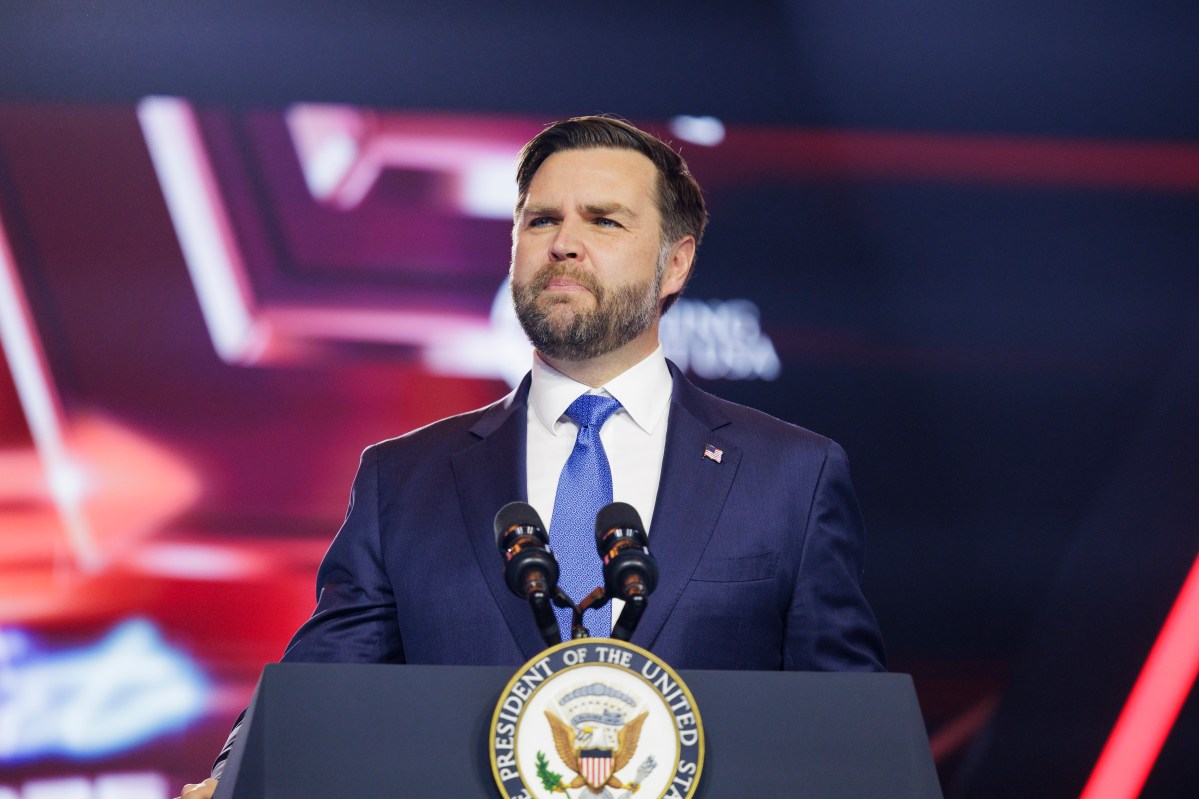
At Turning Point USA’s AmericaFest in Phoenix, Ohio, Senator J.D. Vance positioned himself as a unifier within the MAGA-aligned youth movement.
He channeled the late founder Charlie Kirk’s role by invoking Kirk’s legacy and urging attendees to rally behind the cause.
Newsweek reported that Vance closed by invoking Kirk’s legacy and presented him as a rising MAGA star at the event.
CNN described the summit as the first since the killing of Turning Point founder Charlie Kirk and showed Vance using the platform to position himself as a unifying conservative figure.
Together, these accounts indicate Vance consciously adopted Kirk’s mantle during a transitional moment for TPUSA and the broader MAGA youth apparatus.
Coverage Differences
Tone/Narrative emphasis
Newsweek (Western Mainstream) emphasizes Vance as a ‘rising MAGA star’ and highlights his invocation of Charlie Kirk’s legacy as a unifying call for movement loyalty, while CNN (Western Mainstream) emphasizes the summit’s significance as the organization’s first major event after Charlie Kirk’s death and frames Vance more as a unifying conservative navigating party divisions. Both outlets report the same actions by Vance, but Newsweek’s language stresses insurgent MAGA elevation while CNN stresses the organizational and transitional context.
Vance's 2028 momentum
Vance used AmericaFest to translate movement appeal into potential electoral momentum, blending personal ambition with organizational endorsement.
Newsweek reports he privately lobbied to be chosen as vice president and says TPUSA’s backing has elevated him toward front-runner status for 2028.
CNN notes a measurable early boost, reporting that a CNN poll showed 22% of Republican and right-leaning independent voters want him to run in 2028.
Turning Point’s new leader, Erika Kirk, endorsed him despite there being no formal campaign launch.
Both outlets describe endorsements and poll traction, indicating Vance is leveraging TPUSA’s platform to move from movement figure to a potential 2028 contender.
Coverage Differences
Missed information / Emphasis
Newsweek (Western Mainstream) highlights Vance’s behind-the-scenes ambition (reporting he “privately lobbied to be chosen as vice president”) and frames TPUSA’s support as elevating him toward front-runner status; CNN (Western Mainstream) supplies concrete poll data and the immediate tactical endorsement from Erika Kirk. The two sources complement each other: Newsweek emphasizes political maneuvering and narrative elevation, while CNN supplies poll numbers and explicit organizational endorsement.
GOP and MAGA divisions
AmericaFest exposed sharp ideological fractures within the GOP and the MAGA coalition.
Newsweek notes the meaning of 'America First' is contested and cites hardliners such as Rep. Marjorie Taylor Greene accusing the president of abandoning the doctrine by prioritizing foreign affairs.
Newsweek warns those divisions could either produce healthy debate or fracture the MAGA coalition.
CNN catalogs a range of internal fights the summit surfaced, from conspiracies and membership questions to Israel’s role in U.S. policy.
CNN also reports that Vance’s rhetoric contained Christian nationalist themes, illustrating the multifaceted nature of intra-party conflict at the festival.
Coverage Differences
Narrative focus / Tone
Newsweek (Western Mainstream) frames the divisions as doctrinal (contesting what “America First” means) and highlights intra-movement criticism (citing Rep. Marjorie Taylor Greene). CNN (Western Mainstream) emphasizes a broader set of factional fights — conspiracies, inclusion debates, and foreign-policy disputes including Israel’s role — and calls out Vance’s Christian nationalist rhetoric. Both report divisions but choose different lenses: Newsweek focuses on ideological doctrine and potential fracture, CNN lists varied fault-lines and specifics of rhetoric.
TPUSA Electoral Influence
Reporting also underscores TPUSA's organizational weight in shaping youth turnout and policy pressure.
Newsweek credits TPUSA with helping "boost Trump's 18-29 vote share in 2024 (up 11 points to 47 percent)," and says that organizational support has "elevated Vance toward 2028 front-runner status."
CNN complements that with operational detail, calling Turning Point "a well-funded organization with nationwide field operations that helped mobilize young voters for Trump" and reporting plans that the group "plans to back Vance in Iowa if he runs."
Together they depict an organization capable of translating movement messaging into tangible electoral influence.
Coverage Differences
Detail vs. Organizational context
Newsweek (Western Mainstream) emphasizes the measurable electoral impact TPUSA had on youth turnout (explicit vote-share numbers) and links that to Vance’s rise; CNN (Western Mainstream) emphasizes TPUSA’s infrastructure — calling it “well-funded” with nationwide operations — and notes tactical plans such as backing Vance in Iowa. The difference is primarily one of emphasis: Newsweek on outcome metrics, CNN on organizational capacity and strategy.
Conservative reactions to Vance
Overall coverage portrays Vance as an ambitious figure attempting to blend Kirk-style movement leadership with pragmatic electoral goals, while noting ambivalence within the conservative movement about whether that fusion will hold.
Newsweek warns the event exposed sharp ideological divisions that could either spark healthy debate or fracture the MAGA coalition.
CNN records mixed reactions among conservatives, noting that some prominent figures (including Rep. Anna Paulina Luna) and younger activists welcomed Vance’s nationalist and Christian messaging while others said it is too soon and wanted to remain focused on Trump.
Together, these details indicate a short-term organizational boost for Vance but raise longer-term uncertainty about whether he can sustain a unified MAGA coalition into 2028.
Coverage Differences
Conclusion / Prognosis
Newsweek (Western Mainstream) frames the outcome as a potential turning point that could either unify or fracture the MAGA coalition, stressing the stakes for movement cohesion; CNN (Western Mainstream) highlights immediate mixed reactions within the movement — some enthusiastic, some cautious — suggesting uncertainty about Vance’s ability to consolidate support. Both sources support a cautious read: organizational momentum exists, but internal divisions temper expectations.