JD Vance Holds Iran Talks in Switzerland As Trump Threatens Strikes Over Hormuz
Key Takeaways
- Vance leads U.S.-Iran negotiations in Switzerland amid ongoing Hormuz tensions.
- Trump threatens fresh strikes over Hormuz as talks in Switzerland proceed.
- Multiple outlets report a tentative deal could be signed within days.
Talks in Switzerland, threats
Vice President JD Vance began talks Sunday with Iranian officials in Switzerland as President Donald Trump threatened fresh attacks on Tehran if it blocked the reopening of the Strait of Hormuz.
The first round of direct talks was held in Switzerland after the countries signed an initial agreement to end the war, with Trump threatening to attack Iran if it did not restrain Hezbollah, and Iran’s lead negotiator Mohammad Bagher Ghalibaf dismissing the threat and saying Iran’s armed forces were prepared for confrontation.

The BBC reported that last week’s initial agreement included a commitment to reach a final deal within 60 days, as well as an end to fighting on "all fronts" and the reopening of the Strait of Hormuz.
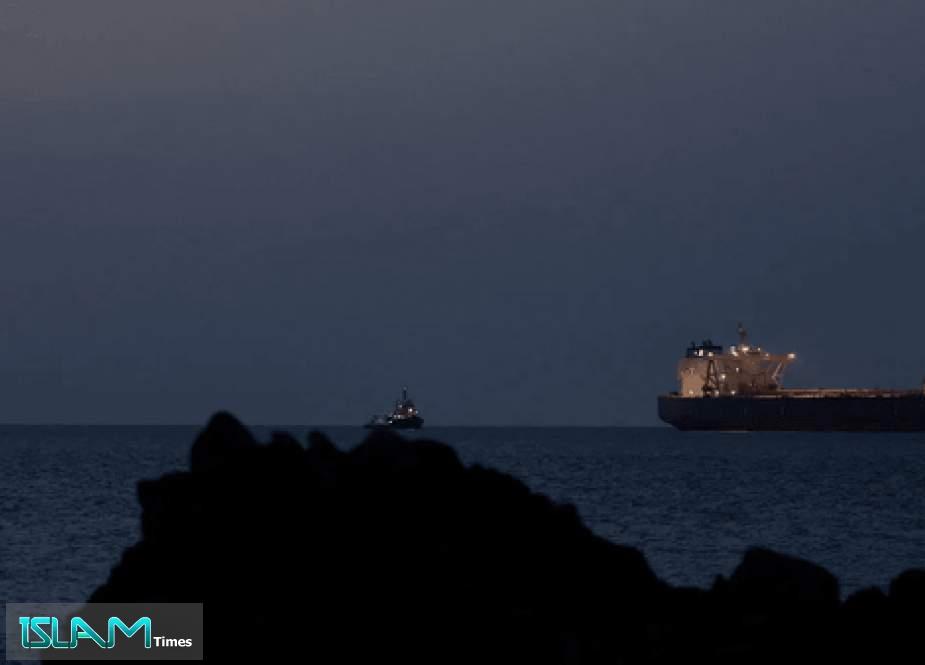
In the same reporting, the BBC said Iran announced it had shut the Strait of Hormuz on Saturday, while tracking data showed vessels continued to pass through it.
The CNBC account said Trump threatened to restart war with Iran on Sunday even as Vance met Iranian officials for the first talks under an interim peace deal, and it described Iran’s announcement that it had again closed the strait as overshadowing the negotiations.
Bipartisan backlash and walkouts
The Guardian said US political figures from left and right voiced fresh objections on Sunday to Donald Trump’s provisional deal with Iran, even as Vance hailed progress during the first round of direct peace talks in Switzerland.
The Guardian reported that negotiations in Lucerne between the US and Iran ran into difficulties after Trump wrote on Truth Social that "If they don’t, we’ll hit Iran very hard again, just like we did last week, only harder!!!"

The Guardian also said Iran’s negotiators were reported by Iran’s state news agency IRNA to have walked out of the building where the peace talks were being held, with IRNA stating: "The delegation of the Islamic Republic of Iran" left the building.
In the BBC’s account, Ghalibaf responded to Trump’s posted message by saying: "No matter how much they talk, it is we who take action."
The BBC further reported that Vance told reporters in Bürgenstock that Trump had asked negotiators to "turn over a new leaf" and said the US was willing to "fundamentally transform our relationship" if Iran’s leadership would give up being a "driver of regional instability" and "nuclear weapons ambitions for the longer term".
What’s at stake next
The BBC said the initial deal called for fighting to stop on "all fronts" and included reopening the Strait of Hormuz, describing the strait as the key shipping channel through which 20% of the world’s oil and natural gas travels.
“Toggle Play What are the end goals of Iran-US negotiations”
It added that the issue of Iran’s nuclear programme, the main reason stated by the US for the conflict, was still to be negotiated, even as the US agreed to lift a military blockade on ships going to and from Iranian ports and to terminate "all types of sanctions" on Iran.
The Washington Post described how the effort to negotiate an end to the war has been defined by dramatic fits and starts, noting that the White House said the agreement had been signed on Sunday by Vice President JD Vance and then announced another signing ceremony on Friday.
NBC News reported that President Donald Trump said he would "fully authorize" the reopening of the Strait of Hormuz in what he described as a "complete" deal, but then said the waterway would open once the deal was signed on Friday, leaving unclear whether there would be a signing ceremony or further talks.
In the Guardian’s account of the political stakes, it said bipartisan criticism continued on Sunday and quoted Susan Rice calling the agreement a "jaw-dropping, horrific surrender" and adding it was "flimsy" and "egregious" because "so many concessions were granted up front".
More on Iran

Trump Threatens Tehran as JD Vance Meets Mohammad Bagher Qalibaf in Switzerland Talks
18 sources compared

JD Vance Holds US-Iran Talks in Switzerland as Trump Threatens Strikes Over Hormuz
12 sources compared

Iran’s Qalibaf Urges US To Be Cautious After Trump Threats
10 sources compared
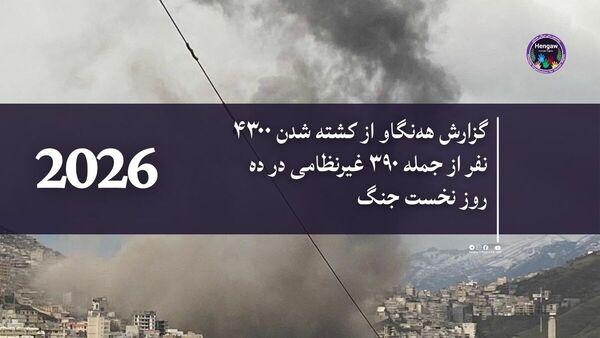
U.S. and Israel Attack Iran, Killing 1,394 Civilians, Human Rights Groups Say
15 sources compared