South America17 November, 20253 min read
Jeannette Jara and José Antonio Kast Advance to Chile Presidential Runoff
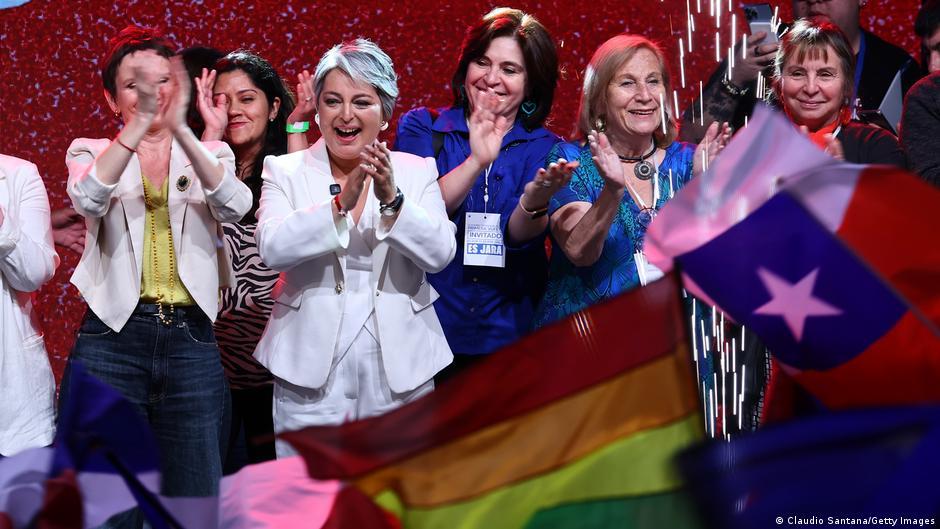
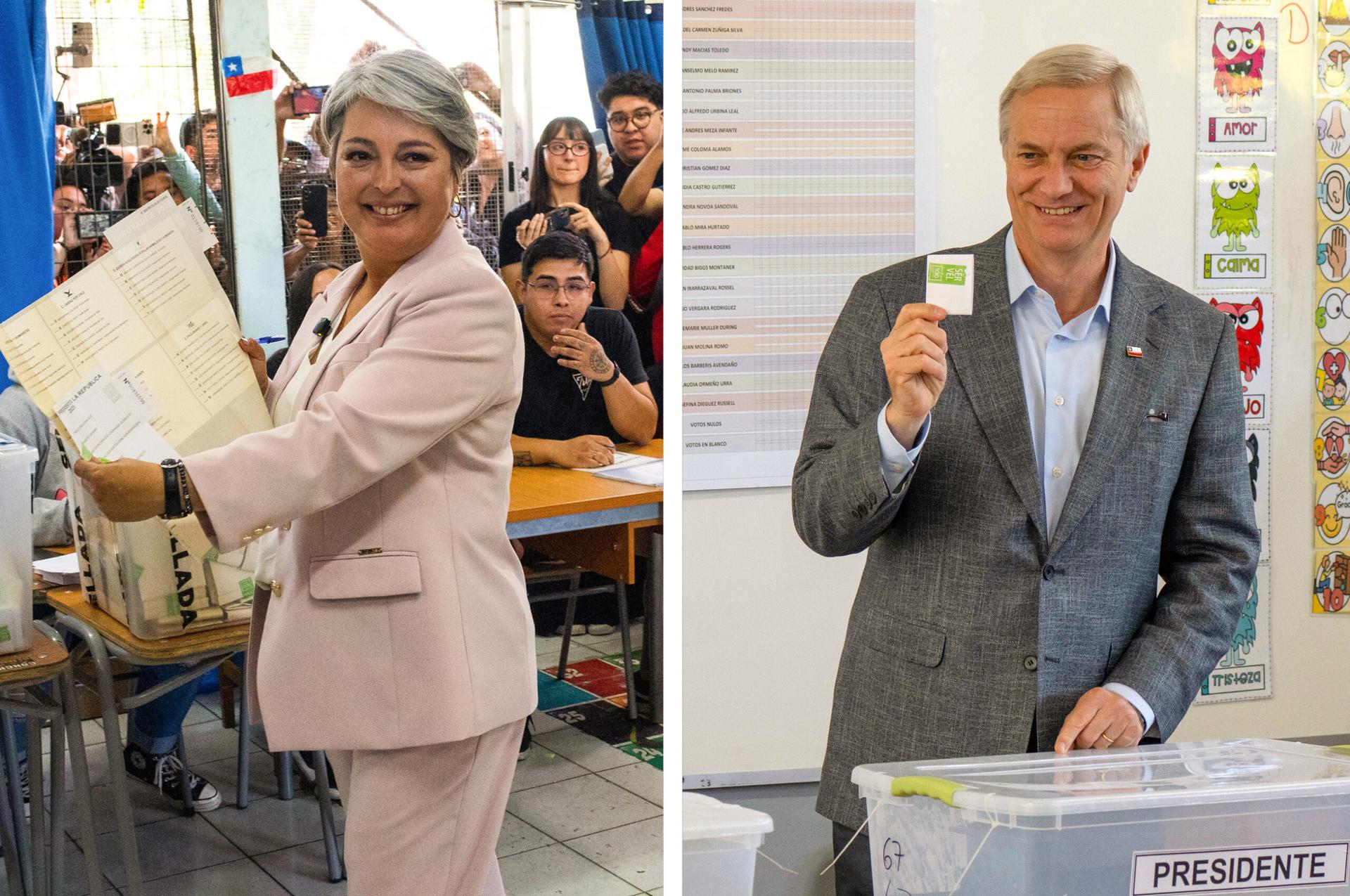
Jeannette Jara, 51-year-old Communist and former labour minister, led the first round with about 26.8%. José Antonio Kast, far-right Republican leader, finished second with about 23.9%.
15 outlets told this the same way.
Outlets did split on Alexandre de Moraes Orders Eduardo Bolsonaro Arrest, Cancels Passport, Enforces Four-Year Sentence →
Chile presidential runoff results
Chile's presidential contest will go to a runoff on Dec. 14 after leftist former labour minister Jeannette Jara and far-right Republican José Antonio Kast finished first and second in the first round.
“Official results gave Jara 26.85% and Kast 23.92%; outsider Franco Parisi came third with 19.71%.”
None of the eight contenders reached the 50%+1 threshold.

Official tallies reported Jara around the high 26% range and Kast roughly 24%.
Americas Quarterly gave Jara 26.85% and Kast 23.92%; DW reported Jara on 26.8% and Kast on 24% with 99% counted; and Al Jazeera showed similar partial results with Jara at 26.71% and Kast at 24.12%.
Observers noted a strong third-place showing by Franco Parisi, who finished near 19–19.7% in several reports and did not immediately endorse either finalist.
This was Chile’s first nationwide election with mandatory voting and automatic registration.
Profile of Jeannette Jara
Jeannette Jara is presented across outlets as a leftist, Communist Party politician and former labour minister who ran on social‑spending and public‑safety platforms and appealed to new and working‑class voters. Several pieces emphasize her record in government; NZ Herald recounts her labour ministry measures, including a pushed 40‑hour work week, a nearly 50% minimum wage rise, and forced employer pension contributions.
Al Jazeera and Taipei Times describe her as a 51‑year‑old communist running for an eight‑party coalition and note her proposals to expand policing, lift banking secrecy to fight organised crime, and address cost‑of‑living pressures. Jara used conciliatory rhetoric after the vote, urging voters not to let fear harden their hearts or to be pushed toward the far right, as reported by DW and Al Jazeera.
Kast: policies and controversies
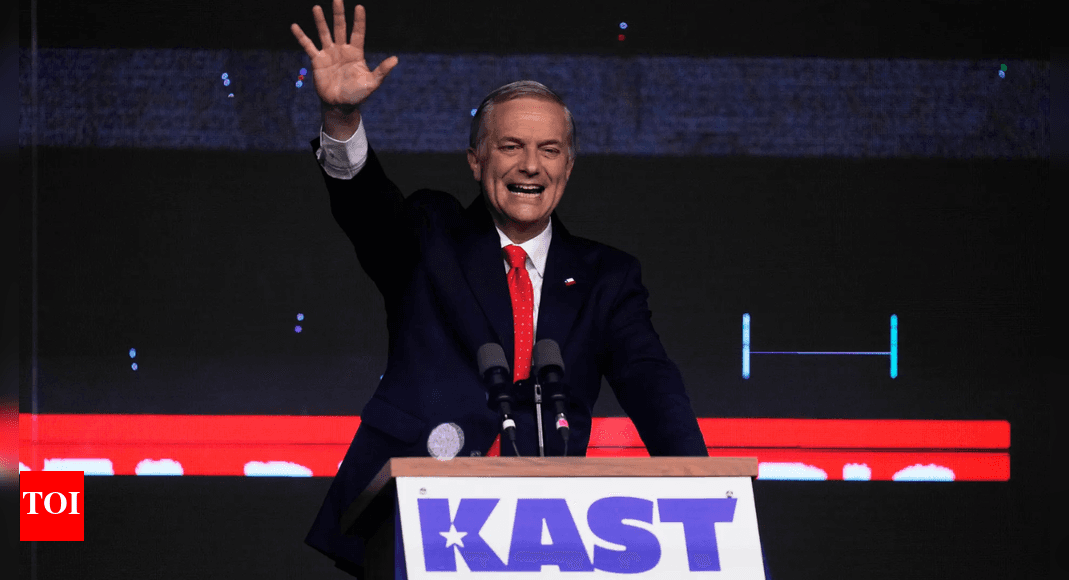
José Antonio Kast is widely described as a far-right, ultraconservative contender who ran on hard-line security and anti-migration platforms. Reports catalogue a mix of policy proposals and biographical warnings. Al Jazeera, ANI News and Taipei Times highlight his proposals for walls, fences and trenches on the Bolivian border and other tough measures.
“Kast (59) has vowed hardline measures including walls and trenches on the Bolivian border to curb migration.”
NZ Herald and Le Monde underscore his social conservatism and critics' alarm at his defense of the Pinochet dictatorship and family ties. DW reported Kast's pledge to rebuild Chile and noted that some polls viewed him as the favourite in a runoff despite trailing in the first round.
Chile runoff dynamics
Analysts and multiple outlets stress electoral dynamics that could determine the runoff. The right was fragmented in the first round, with Johannes Kaiser and Evelyn Matthei taking significant shares that, if consolidated behind Kast, could make his path to victory clearer. Folha de S.Paulo details the fragmentation (Kaiser 13.9%, Matthei 12.5%) and Parisi’s northern strength.
Anadolu and Firstpost note that most eliminated votes leaned right, making it harder for Jara to assemble a winning majority despite leading the first round. Several reporters also flagged the novel factor of mandatory voting and a large set of first-time voters as increasing volatility.

Campaign coverage and reactions
The campaign was broadly described as highly polarized and dominated by public anxiety about security and migration. France 24, ANI, Le Monde and Taipei Times emphasized a sharp rise in murders, kidnappings and extortion, often blamed on foreign crime groups, and linked this to debate over immigration.
“The race is highly polarized, dominated by debates over immigration and a sharp rise in murders, kidnappings and extortion in recent years—violence often blamed on foreign gangs.”
DW and Al Jazeera reported President Gabriel Boric urging 'dialogue, respect and love for Chile' and calling the vote a democratic moment. Reporting tones thus varied: some pieces foreground fear and crime as the dominant driver of votes, while others highlighted the democratic process and calls for a high-standard debate.