Jeannette Jara Leads Chile Election, Will Face Run-Off Against Far-Right José Antonio Kast

Jeannette Jara Leads Chile Election, Will Face Run-Off Against Far-Right José Antonio Kast

16 November, 20259 sources compared
South America

Key Points from 9 News Sources

  1. 1

    Jeannette Jara led first-round voting, advancing to a Dec. 14 runoff

  2. 2

    Her runoff opponent is far-right politician José Antonio Kast

  3. 3

    The campaign was dominated by public fears over crime and immigration

Full Analysis Summary

Chile presidential runoff outlook

Jeannette Jara, a 51-year-old former labour minister and Communist Party politician from the governing coalition, emerged as the front-runner in Chile's presidential contest but is widely expected to fall short of an outright majority and face a December 14 runoff against far-right José Antonio Kast.

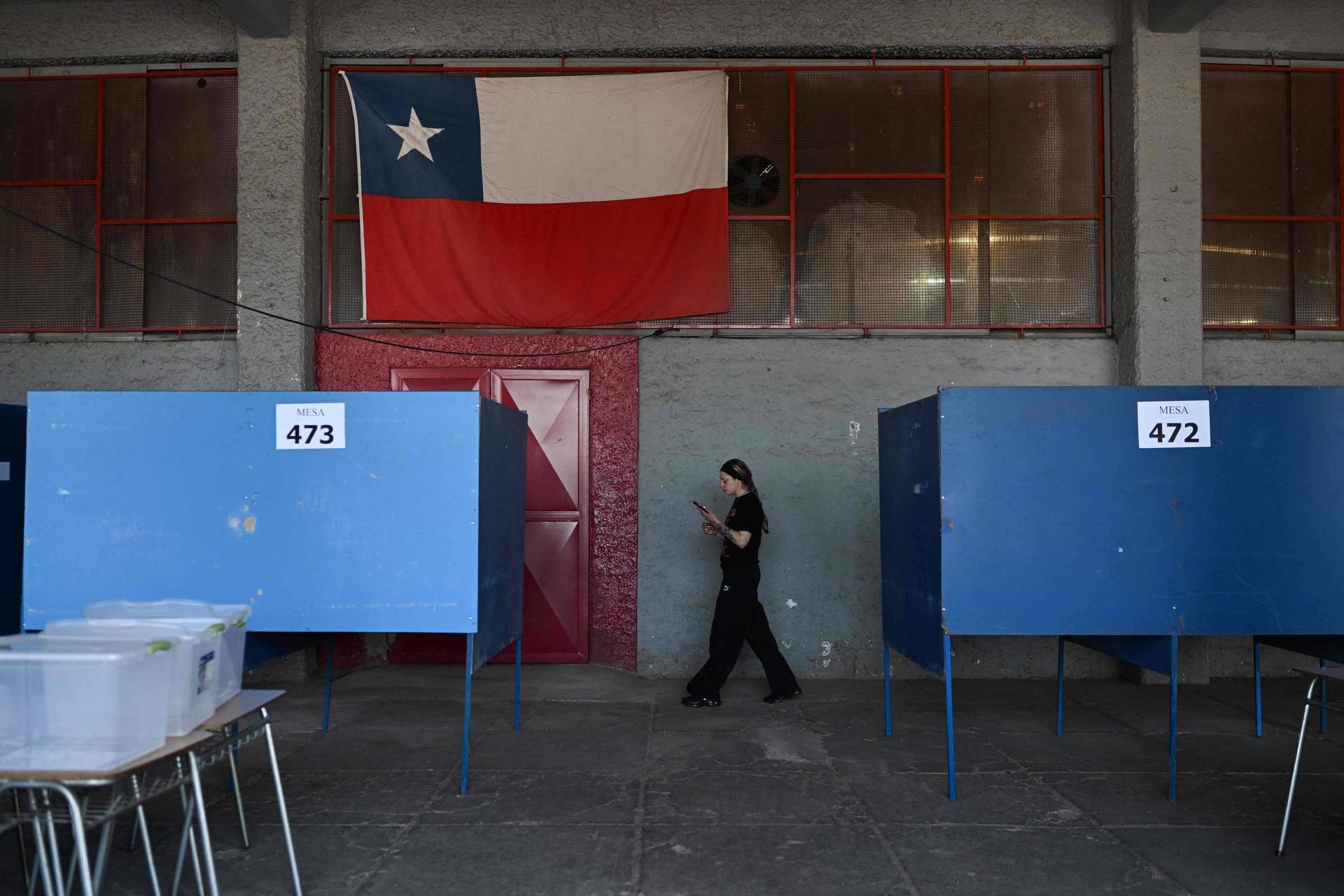
Multiple outlets report that voting was mandatory this cycle and that the result will also reshape the legislature: more than 15 million people were registered or eligible to vote, and the full lower house plus nearly half the Senate were up for renewal.

Observers describe a sharply polarised race with no clear first-round winner, making a December 14 runoff likely.

Coverage Differences

Contradiction / Ambiguity (voter roll and timing of compulsory voting)

Sources disagree or differ in detail about the size of the electorate and when compulsory voting was reinstated: Folha de S.Paulo (Latin American) reports that compulsory voting was reinstated in 2022 and cites 'more than 15.7 million eligible voters.' ANI News (Asian) reports 'More than 14 million people are eligible to vote' and says the compulsory voting law was 'introduced in 2023.' WION (Western Alternative) gives the 15.7 million figure and frames voting as mandatory after earlier high abstention. These are factual discrepancies in the snippets about timing and exact voter totals.

Prediction / emphasis (runoff outcome)

While most outlets agree a runoff is likely, blue News (Local Western) highlights analysts predicting a right-wing victory in the December runoff as right‑wing voters coalesce, whereas other outlets (ANI, Al Jazeera, Folha) focus on the likelihood of a runoff without endorsing that specific forecast.

Campaign themes: security, immigration, economy

The campaign was dominated across sources by crime, immigration and economic anxieties.

Local outlets and international broadcasters converged on security as the central issue.

Al Jazeera pointed to a decade-long rise in murders, kidnappings and extortion that made security a top concern.

WPLG Local 10 and ANI News cataloged detailed hard-line immigration and crime proposals from several candidates, ranging from Kast's vows of mass deportations and walls to plans by Evelyn Matthei, Johannes Kaiser and other rivals.

Jeannette Jara's platform was described as combining welfare measures such as bigger pensions, cheaper electricity and mass housing with some tougher crime measures.

Economic debate focused on whether to cut public spending rapidly or boost incomes with measures like Jara's proposed roughly $800 monthly 'living' supplement.

Coverage Differences

Tone and detail (security vs. policy specifics)

Al Jazeera (West Asian) foregrounds the security crisis and highlights Kast’s dramatic rhetoric — even quoting his past ultimatum and calling him 'Chile’s Trump' — whereas WPLG Local 10 (Local Western) provides granular lists of rival policy proposals (walls, detention camps, firing state workers, $800 supplement). ANI (Asian) combines both threads and adds candidate background (Kaiser’s controversies) and youth dynamics.

Candidate naming / local reporting inconsistency

WPLG’s snippet unusually refers to 'Republican rival María José “Kaiser”' offering tougher measures — an apparent naming inconsistency compared with other outlets that identify Johannes Kaiser as the far‑right libertarian/YouTube figure. This is a divergence in reporting detail rather than a policy disagreement.

Polling and forecasts

Polling and forecast coverage varied.

Pre-election polls cited by several outlets put Jara ahead in the first round, with ANI reporting Jara at about 30%, Kast 22% and Kaiser 15%.

Markets and analysts offered competing signals: the prediction market Polymarket strongly favored Kast, and analysts quoted by blue News and Folha warned that a consolidated right could win the runoff.

Most outlets therefore expected no outright winner and a December runoff where right-wing consolidation could be decisive.

Coverage Differences

Polls versus markets

ANI (Asian) reports poll numbers showing Jara leading but also notes that the prediction market Polymarket 'heavily favors Kast (about 70%).' blue News (Local Western) and Folha de S.Paulo (Latin American) emphasise analyst warnings that a right‑wing consolidation in a runoff could favour Kast — showing a contrast between polling snapshots and market/analyst expectations.

Election stakes and logistics

The legislative dimension and voting logistics were prominent in reporting.

Several sources noted the contest put all 155 lower-house seats and roughly half the Senate at stake, meaning the election could produce a government with or without legislative counterweights.

Coverage flagged long queues and logistical headaches at polling places in major cities, and some outlets highlighted the uncertain behaviour of younger voters and the electoral impact of compulsory voting rules.

Analysts warned that a right-wing parliamentary advance combined with a Kast presidency would be historically significant.

Coverage Differences

Operational reporting (queues and administration)

Folha de S.Paulo (Latin American) emphasises extended hours, long lines and complaints about having to 'queue both to vote and to justify absences at police stations.' WION (Western Alternative) similarly reports long queues but frames the election in historical terms (mandatory ballots after high abstention and the possibility of a first right‑wing control of both branches since Pinochet), while ANI (Asian) stresses compulsory voting’s introduction and the uncertain youth turnout on platforms like TikTok — different emphases on logistics, legal change and demographic uncertainty.

Legislative stakes framing

blue News (Local Western), ANI (Asian) and WION (Western Alternative) all note the renewal of the lower house and significant portions of the Senate, but WION underscores the historical possibility of unified right‑wing control since Pinochet, a framing not emphasized equally by the other outlets.

Media framing of Chile election

Sources differ in tone when profiling the leading figures and the possible consequences.

Al Jazeera (West Asian) uses stark language for Kast, calling him "Chile’s Trump" and detailing his vow of "drastic measures" including mass deportations and walls.

Folha (Latin American) and blue News (Local Western) focus on Jara’s biography and her role in the governing coalition, noting her long political journey and primary win.

WPLG (Local Western) and ANI present granular policy lists and candidate backgrounds, including Johannes Kaiser’s controversies.

WION (Western Alternative) stresses the historical stakes if both executive and legislative branches swing to the right.

These differences reflect editorial emphasis: some outlets foreground security and dramatic labels, while others focus on candidate biography, policy specifics, or historical context.
Coverage Differences

Labeling and rhetorical intensity

Al Jazeera (West Asian) applies a strong rhetorical label to Kast — 'often called “Chile’s Trump”' — and quotes his proposed 'drastic measures.' Folha (Latin American) and blue News (Local Western) present Jara as a governing‑coalition Communist and note her long journey, a more descriptive tone. WION emphasizes historical significance, which changes the perceived stakes in its narrative.

Focus on policy specifics versus historical framing

WPLG (Local Western) lists detailed policy measures from multiple candidates (detention camps, firing state workers, $800 supplement), while WION (Western Alternative) stresses the possible historical outcome of unified right‑wing control. ANI (Asian) adds candidate controversies and youth dynamics, broadening the coverage beyond policy lists.

All 9 Sources Compared

Al Jazeera

Chile votes for new president in communist vs far-right contest

Read Original

Anadolu Ajansı

Chile votes for president amid crime, migration fears

Read Original

ANI News

Chile votes in polarised presidential election dominated by crime and immigration

Read Original

blue News

Politics: Shift to the right possible in Chile's presidential election | blue News

Read Original

Euronews

Chile votes in elections marked by polarisation

Read Original

Folha de S.Paulo

Polls close in Chile in an election with compulsory voting and long lines.

Read Original

usmuslims

Polls close as Chileans complete 1st round of voting in polarized presidential race

Read Original

WION

Chile votes in presidential poll as right wing eyes return to power after 1990

Read Original

WPLG Local 10

Chile votes in a presidential poll pitting a communist against the far right

Read Original