USA22 December, 20252 min read
Jeff Landry Vows to Annex Greenland as Trump's Special Envoy
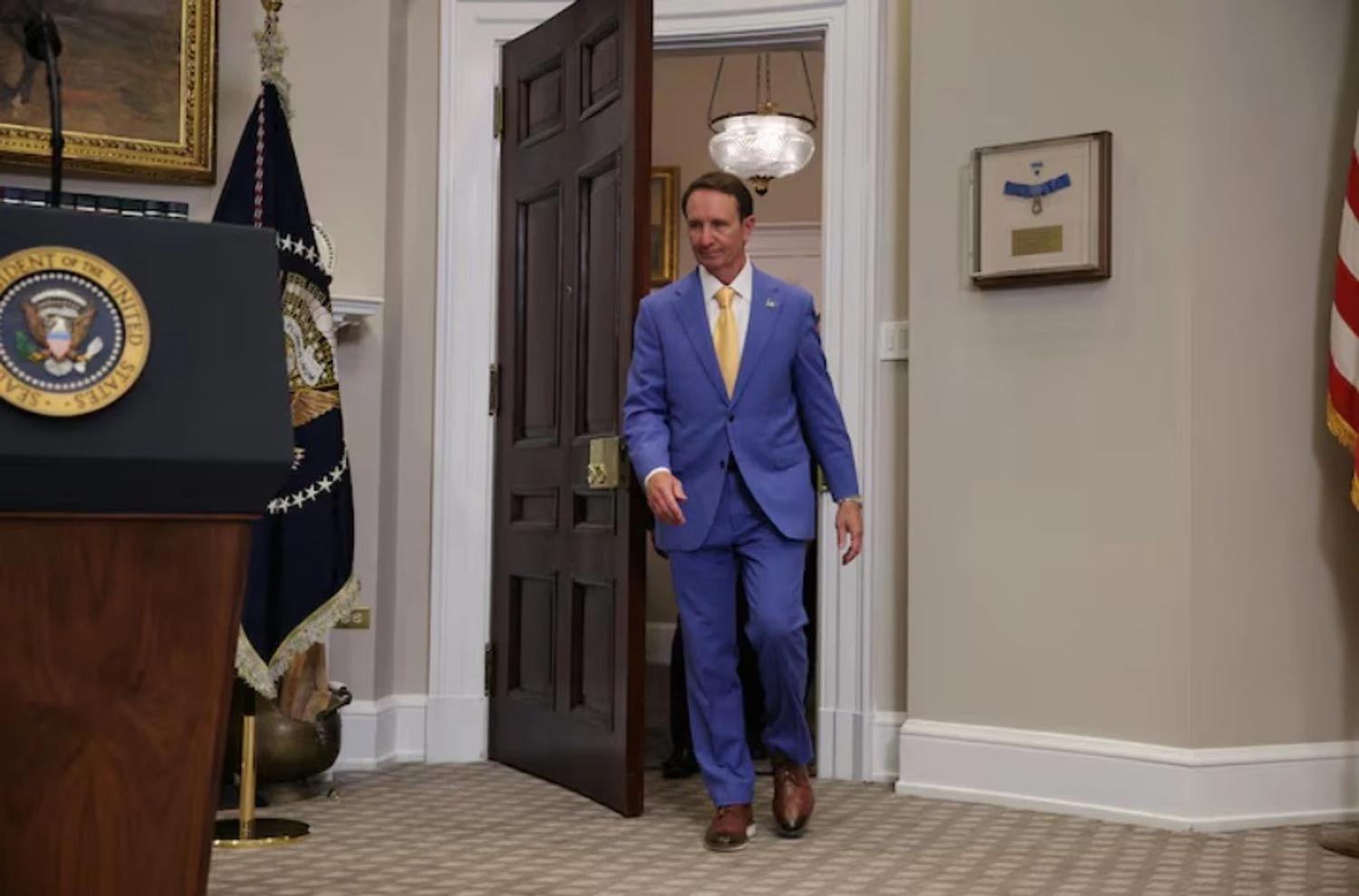
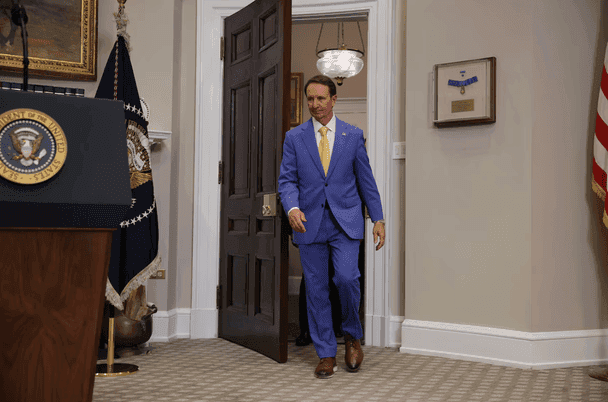
President Trump named Louisiana Governor Jeff Landry U.S. special envoy to Greenland. Landry publicly vowed to work to make Greenland part of the United States.
74 outlets told this the same way.
Outlets did split on Trump Interrupted by Protesters at San Antonio Rally for Ken Paxton →
U.S.-Greenland diplomatic row
Former President Donald Trump announced on social media that he had named Louisiana Governor Jeff Landry as his unpaid special envoy to Greenland. Landry publicly accepted and said he would work to make Greenland part of the United States.
“Denmark said it will summon the U.S. ambassador after President Trump named Louisiana Gov. Jeff Landry a volunteer special envoy to Greenland.”
The announcement renewed a diplomatic row with Denmark and Greenland, prompting Copenhagen to summon the U.S. ambassador and drawing sharp rebukes from leaders who emphasized Greenland's right to decide its future. Danish Foreign Minister Lars Løkke Rasmussen called the move deeply angering and totally unacceptable, and Greenland's and Denmark's leaders issued a joint statement saying you cannot annex another country and that Greenland belongs to the Greenlanders.
U.S. interest in Greenland
The Landry appointment reopened a debate tracing back to Trump's 2019 suggestion of buying Greenland and to long‑running U.S. interest in the island's strategic location, Cold War‑era bases, and mineral wealth.
News outlets note the U.S. presence at Pituffik (Thule), recent senior U.S. visits, and staff‑level activity to deepen ties, and place the move within a broader Arctic rivalry with China and Russia as part of U.S. efforts to expand military, diplomatic, and commercial influence.

Greenland sovereignty response
Greenlandic and Danish officials responded swiftly and unitedly, insisting the island is not for sale and that its future must be decided by Greenlanders themselves. Greenland's Premier Jens-Frederik Nielsen and Denmark's Prime Minister Mette Frederiksen warned that international law prevents annexation. Widespread polling shows many Greenlanders support independence from Denmark but reject joining the United States, a nuance highlighted across multiple outlets.
“A January poll found most Greenlanders favor independence from Denmark but do not want to join the United States.”
Media coverage of Landry remarks
Coverage diverged sharply by outlet type.
Tabloids and sensational outlets framed Landry's comments as a concrete threat or even a scheme for quick seizure, citing hypothetical military timelines.

Mainstream international outlets concentrated on diplomatic protocol, legal sovereignty, and allied solidarity.
Western alternative and pro-administration outlets emphasized Landry's qualifications and the national-security rationale behind boosting U.S. Arctic engagement.
West Asian and regional outlets called attention to alleged U.S. influence operations and warned that economic pressure or covert activity may have strained trust with allies.
Envoy appointment questions
Key questions remain unclear or unaddressed in reporting, including whether an unpaid volunteer 'special envoy' has any formal legal authority. It is unclear whether Landry must resign his governorship to accept a private foreign-policy role.
“Landry thanked Trump on X, said the unpaid post was an honor and would not interfere with his duties as governor.”
The extent to which the White House or State Department coordinated the appointment has not been established. Several outlets noted limited immediate comment from the White House or the U.S. embassy, and some local or regional outlets reported uncertainty about whether the announcement changes on-the-ground cooperation, underscoring real diplomatic risk even where the appointment's legal effect is ambiguous.
