Britain13 November, 20252 min read
Jeffrey Epstein Acknowledges Prince Andrew Photographed With Virginia Giuffre in Newly Released Email
Jeffrey Epstein's email acknowledges Virginia Giuffre had her photograph taken with Prince Andrew House Democrats released over 20,000 pages of Epstein estate correspondence containing the email
13 outlets told this the same way.
Outlets did split on UK Police Charge Teddy Young With Spying For Foreign Power, Royal Navy Member →
Epstein archive revelations
Newly released emails from Jeffrey Epstein’s archive include a July 2011 message in which Epstein appears to confirm that Virginia Giuffre 'was on my plane' and that 'she had her picture taken with Andrew'. The message directly challenges Prince Andrew’s long‑standing denials about the authenticity of a widely circulated 2001 photograph, and multiple outlets report the correspondence was disclosed by the US House Oversight Committee or via House releases this week. The cache reportedly also shows Ghislaine Maxwell forwarding a Mail on Sunday right-of-reply to Epstein, who passed it on to an address labeled 'The Duke'.
“Newly released correspondence from Jeffrey Epstein’s estate, disclosed with over 20,000 pages of documents, includes a July 2011 email in which Epstein appears to confirm that Virginia Giuffre ‘was on my plane and yes she had her picture taken with Andrew.’”
A March 2011 reply from that address insisted he was 'NOT involved' and knew 'NOTHING' about the allegations. These revelations have been described as undercutting key elements of Andrew’s defenses and have renewed public attention on his ties to Epstein and Maxwell.
Prince Andrew photo dispute
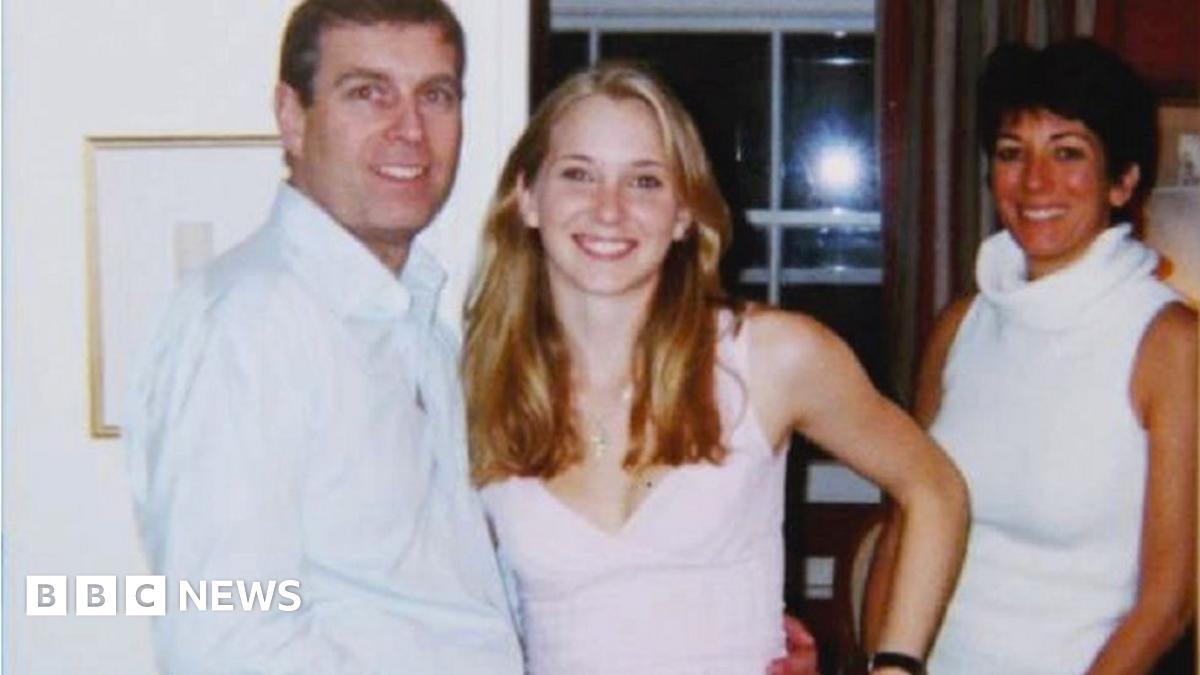
A disputed 2001 photograph depicting Prince Andrew with his arm around a young Virginia Giuffre, with Ghislaine Maxwell nearby, has been central to Giuffre’s allegation that Epstein trafficked her and that Andrew assaulted her, which the duke denies. Multiple outlets recall Andrew’s 2019 BBC interview, where he said he had no memory of meeting Giuffre and suggested the image might be fake, and newly disclosed messages are being presented as a direct challenge to that defense. Reports note Maxwell forwarded Mail on Sunday material about the photo to Epstein, and that an address labeled "The Duke" replied, insisting he was not involved in any of the allegations.
Giuffre coverage overview
Virginia Giuffre’s allegations, legal actions, and personal history are repeatedly referenced across news coverage. She has alleged she was trafficked by Epstein and Maxwell and that she had sex with Andrew multiple times as a teenager. She brought civil suits that were later settled.
“Giuffre, who says she had sex with Andrew three times as a teenager, settled with him out of court in 2022; Maxwell is serving a 20‑year sentence for sex trafficking.”
She is described in several pieces as a survivor-advocate and the author of a memoir. Coverage diverges on details and emphasis.
Some pieces emphasize the settlement’s lack of criminal finding or admission of liability. Other pieces stress her role as an advocate and author and report her death by suicide this year.
Revelations from Epstein documents
The documents reportedly contain material beyond confirmation about the plane and photograph that broadens scrutiny of Epstein's network. Epstein urged reporters to investigate Giuffre and called her 'easily...proven to be a liar'. He pushed for inquiries he said Buckingham Palace would welcome.
Other emails reference high‑profile figures including Peter Mandelson and former US President Donald Trump. Journalists and legal analysts say the disclosures have renewed calls for accountability and could influence public, civil and reputational consequences for people connected to Epstein.