Africa01 May, 20267 min read
JNIM Imposes Partial Blockade on Bamako After Defence Minister Sadio Camara Assassination
This article is an automated aggregation of coverage from news outlets. Our editorials offer in-depth analysis curated by the NewsCord team.
Militants impose siege-like blockade, closing roads to Bamako. Assassination of Mali's defense minister preceded intensified attacks.
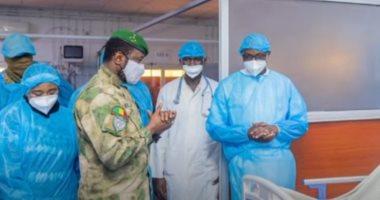
Blockade tightens in Bamako
Bamako, Mali’s capital and “a major West African hub and home to more than three million people,” is under a partial blockade imposed by Islamist militants, days after Mali’s defence minister was assassinated there. The BBC reports that a mother-of-two told the broadcaster, “Our army isn't capable of protecting us, how are we going to get back home?” and said she and others were stranded on the Bamako-Kéniéba highway, a major road out of the capital, unable to re-enter Bamako after visiting her parents out of town. The BBC says the blockade follows Wednesday’s warning by fighters from Jama'at Nusrat al-Islam wal-Muslimin (JNIM) that “no-one will be allowed in any more”.
The BBC adds that eyewitnesses said at least three of the six main routes into the city are now closed for hours at a time before the fighters move elsewhere. While fighters are gone, the BBC reports that “some vehicles manage to slowly get through,” underscoring how the blockade is restricting movement without fully stopping it.

In parallel, the BBC describes a wider escalation that included nationwide, coordinated attacks by an alliance of jihadists and separatist rebels in the north, including the Azawad Liberation Front (FLA), seeking to overthrow the military regime of Gen Assimi Goïta, who seized power in a coup in 2020. The BBC links the escalation to the killing of Defence Minister Sadio Camara in an apparent suicide truck bombing on his residence near Bamako, and says he was buried on Thursday amid tight security in front of thousands of people including Goïta.
Escalation, siege, and shifting control
The blockade in Bamako is presented by multiple outlets as part of a broader campaign that combines jihadist pressure with separatist advances across northern Mali. The BBC says last weekend saw “nationwide, coordinated attacks” by an alliance of jihadists and separatist rebels in the north, including the Azawad Liberation Front (FLA), and that during the attacks Defence Minister Sadio Camara was killed in an apparent suicide truck bombing on his residence near Bamako. The BBC also reports that the Islamist groups had previously imposed a fuel blockade on the city “causing shortages and a sharp increase in prices” before ordering a total blockade that left residents worried.
Al Jazeera reports that the al-Qaeda-linked JNIM has announced the beginning of a “total siege” on Mali’s capital Bamako, warning civilians they’ll be targeted if they don’t “stay out of the way”. Al Jazeera’s Nicolas Haque says a showdown between armed groups and the army there now appears likely, framing the siege as an imminent confrontation.

The Arabic-language outlet Al Ghad says Le Monde reported that armed groups, including “the Group for the Support of Islam and Muslims” linked to al-Qaeda, announced the start of the siege of the capital, threatening to prevent entry until further notice. The Business Standard similarly describes the weekend offensive as simultaneous attacks launched on Saturday that killed Defence Minister Sadio Camara, hit the capital’s airport, and drove Russian soldiers out of a desert town over a thousand kilometres away, emphasizing coordination across multiple sites around Bamako and at least three towns.
Official responses and on-the-ground voices
Malian authorities and their partners describe the situation as controlled while residents and drivers describe danger and disruption on key roads.
The BBC reports that Mali’s junta leader Assimi Goïta vowed tough action against the insurgents following an emergency security council meeting on Wednesday, and that Goïta claimed armed and security forces had managed to inflict “heavy losses” on the rebels.
The BBC also says a Kremlin spokesperson on Thursday vowed that Russian forces would remain in Mali “to combat extremism, terrorism and other harmful phenomena and will continue to provide assistance to the current government”.
In a separate report, Al Ghad says the presidency confirmed the situation was under control, quoting Goita stating that “the situation is under control,” and that the attacks aimed to sow chaos but “the army was able to counter them.”
The Arabic-language outlet Al Youm Al Sabea reports that Goita made his first appearance after days of absence and said in a televised address, “As I speak to you now, security arrangements have been strengthened, the situation is under control, and cleansing operations, search efforts, intelligence gathering, and security measures continue.”
On the ground, the BBC includes a lorry driver’s account of being stuck and choosing survival over delivering goods, saying, “I'm stuck here and it sounds dangerous. I would rather run away to save my life than fight for the goods I have to deliver.”
The Business Standard adds that Mali’s military government said the situation was under control though Goïta “has not been seen in public or made any statements since the attacks on Saturday,” highlighting a tension between official messaging and visible leadership.
Different framings of the same siege
While the siege and blockade are described across outlets, the emphasis and framing differ, particularly in how each outlet characterizes the alliance behind the attacks and the meaning of the military response. The BBC emphasizes the blockade mechanics and the timeline: it links the partial blockade to Wednesday’s JNIM warning that “no-one will be allowed in any more,” and says at least three of the six main routes into Bamako are closed for hours at a time before fighters move elsewhere. The Business Standard frames the same weekend offensive as an unprecedented coordination between al Qaeda-linked JNIM and Tuareg rebels, quoting Justyna Gudzowska of The Sentry that “It demonstrates reach,” and adding that “JNIM can operate at will inside the supposedly secure heart of the state.”
The Business Standard also describes the killing of Defence Minister Sadio Camara as removing a key leader, creating a power vacuum, and raising the prospect of a broader national implosion, quoting “one senior diplomat said” without naming the diplomat. Al Jazeera’s report foregrounds the threat to civilians, saying JNIM warned civilians they’ll be targeted if they don’t “stay out of the way,” and that a showdown between armed groups and the army now appears likely.
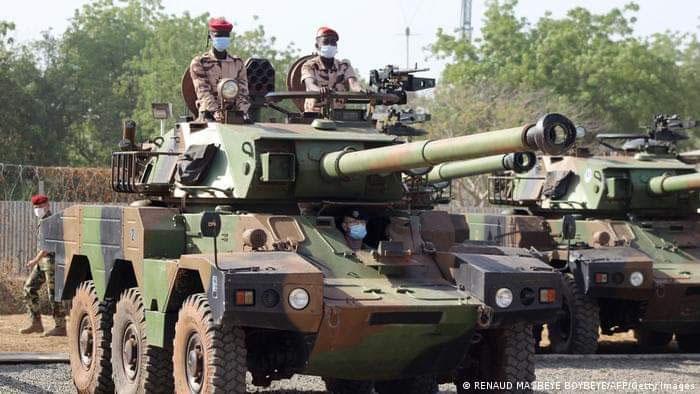
The Arabic outlet Al Ghad, citing Le Monde, emphasizes the armed groups’ stated justifications for the siege, including the claim that they were responding to positions of residents who helped the army arrest members of the armed groups and kill them as they retreated. Al Ghad also highlights the armed groups’ call for a “peaceful and comprehensive transition” of power, quoting a statement from Jama'at Nusrat al-Islam wal-Muslimin calling for a “joint front (…) to topple the military council.”
What comes next for Mali
The sources describe immediate consequences for civilians, and they also lay out competing claims about what happens next in Mali’s security trajectory. The BBC says the blockade is leaving residents worried after last year’s fuel blockade caused shortages and a sharp increase in prices, and it reports that a total blockade has been imposed on Ségou, leaving “hundreds of vehicles, trucks, buses and cars” stranded for days while passengers struggle to access water and food. The BBC also reports that several countries, including France, Canada, and the United Kingdom, have urged their citizens to leave Mali, while the US recommends staying at home, and it includes a Frenchwoman’s statement, “I won't leave,” and “We know things will be OK.”
Al Jazeera reports that JNIM has announced the beginning of a “total siege” and warns civilians they’ll be targeted if they don’t “stay out of the way,” which implies a narrowing of civilian movement as the siege progresses. The Arabic-language outlet Al Youm Al Sabea says the jihadists and Tuareg separatists remain stationed in northern Mali after the wave of attacks and describes the situation as “highly dangerous,” while also reporting that the Malian army withdrew from several positions in the Gao region.
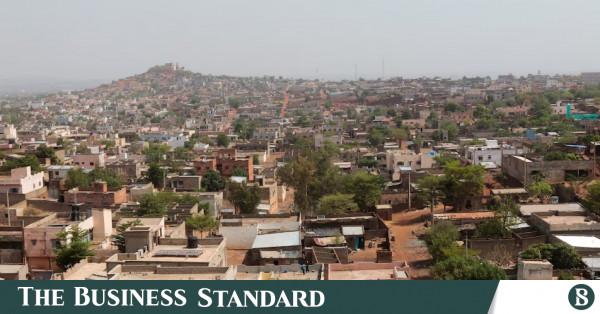
Al Youm Al Sabea quotes a government spokesman, Bina Diarra, saying that those who wish to leave the capital would be allowed to do so “but entry is prohibited until further notice,” and that “Anyone who breaches this siege will face the consequences.” The BBC reports that the FLA now say they will march on other cities in the north and have demanded the withdrawal of the Africa Corps from the entire country, and it says the Russians were forced to withdraw from Kidal, now under FLA control.