
Africa · 01 May, 2026 · 7 min read
Pirates Hijack MV Abdullah and Sward Off Somalia, Security Vacuum Grows in Indian Ocean
MV Abdullah, Bangladesh-flagged, hijacked near Somalia; crew and coal cargo held. Sward, Saint Kitts and Nevis-flagged, hijacked off Somalia; anchored near Godobjiran.
Nature/magnitude of the threat (contained/moderate vs broader resurgence/signals of heightened insecurity).
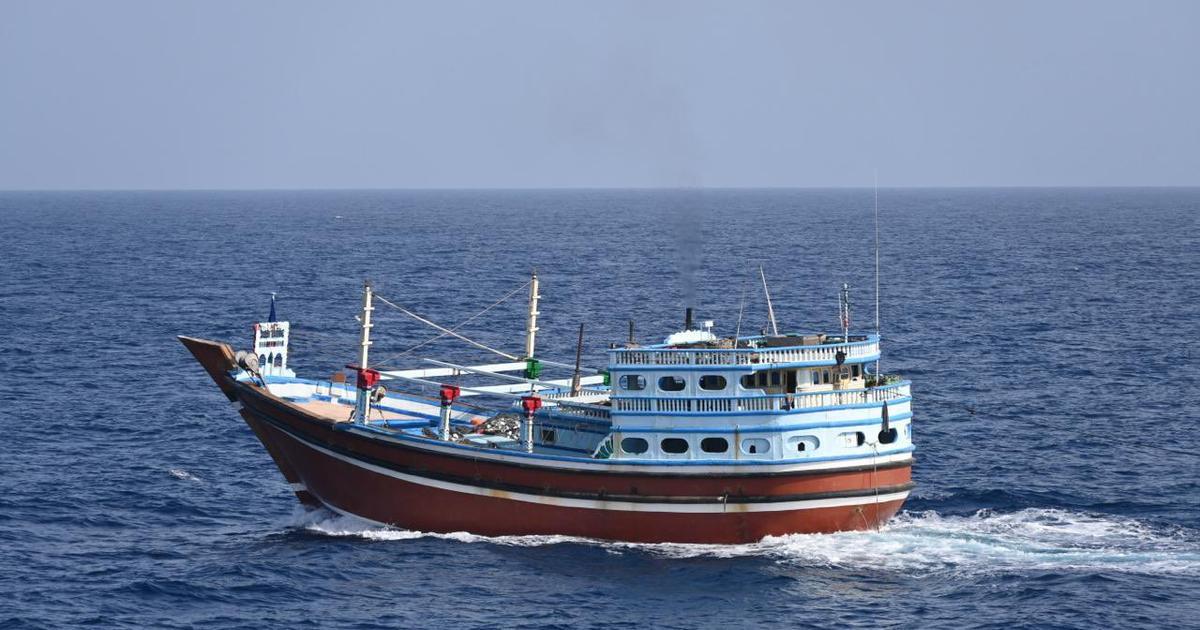
8 of 10 outlets skipped it: specific rescue/interception of an Iranian-flagged fishing vessel seized by presumed Somali pirates (FV Al Kamar 786) by the Indian Navy near Socotra; rescue operation underway..
15outlets compared
Same story, two versions
tap a side to read it in full
standardmedia.co.ke
“The redeployment of international naval forces to combat the Yemen-backed Houthis and the U.S/Israel war against Iran has created a security vacuum in the Indian Ocean for Somali pirates to hijack ships.”Read the original ↗
Le Monde.fr
“« Ce sont des actions opportunistes, à la fois en lien avec la perturbation du trafic maritime en mer Rouge et avec un phénomène local de frustration des communautés de pêcheurs, qui s’estiment lésées par la pêche illégale »”Read the original ↗
One framing emphasizes an external strategic vacuum created by redeployed navies; the other stresses a combined explanation including local grievance around illegal fishing—affecting whether policy should prioritize maritime patrol posture alone or also address coastal livelihoods and enforcement.
Hijackings and a Security Vacuum
Piracy is returning off Somalia’s coasts as international naval forces shift attention elsewhere, creating what one report describes as a security vacuum in the Indian Ocean.
“mardi 12 mars”
Le Monde.fr links the renewed risk to the redeployment of maritime assets in a wider context of crisis in the Red Sea, where “les rebelles houthistes ciblent les navires commerciaux à l’aide de missiles et de drones piégés,” and to the way this has reduced patrols around the Gulf of Aden.
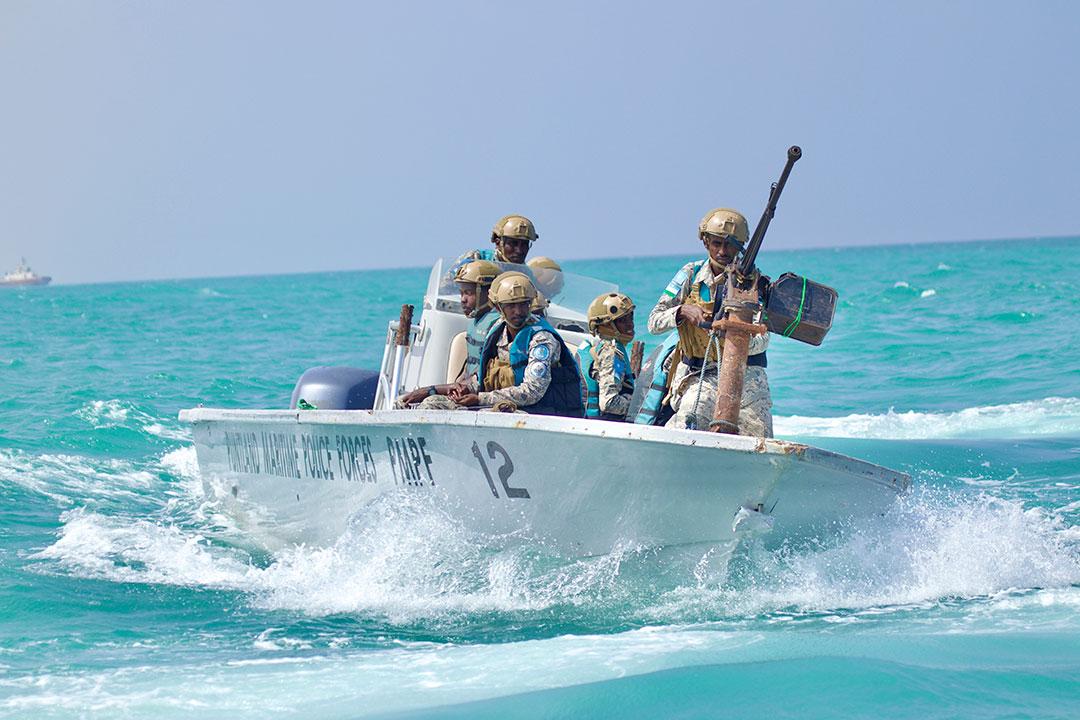
It says the MV Abdullah, a Bangladeshi-flagged bulk carrier, was captured in the Gulf of Aden on “mardi 12 mars” and is being held in Somali territorial waters with “son équipage et sa cargaison (55 000 tonnes de charbon) pris en otage par des pirates.”
Le Monde.fr adds that the Indian Navy said it was “prête à intervenir pour tenter de libérer les 23 membres d’équipage,” while the ship’s owner SR Shipping would be “disposée à payer une rançon.”L
In parallel, horn review describes two hijackings on Somalia’s central coast, saying that on “April 26, 2026” UK Maritime Trade Operations reported unauthorized persons seized a cargo vessel “on northeast of Garacad on Somalia’s central coast” and forcibly redirected it into Somali territorial waters.
Le marin similarly reports that “the Sward… was hijacked” on “Sunday, April 26,” and says it is “currently anchored off Godobjiran,” citing maritime security agencies including Vanguard, Ambrey, and UKMTO.
Taken together, the accounts portray a region where vessels are being seized and redirected into Somali territorial waters, with the operational focus of international forces no longer centered on the same patrol patterns as in earlier years.
How the Pattern Re-forms
Several reports connect the piracy resurgence to the same maritime pressures that have been reshaping the Red Sea and the wider Horn of Africa.
Le Monde.fr says that “dans un contexte de crise en mer Rouge,” piracy “effectue simultanément un surprenant retour au large des côtes somaliennes,” and it quotes Martin Kelly of EOS Risk Group saying, “Il y a eu davantage d’actes de piraterie au large de la Somalie depuis novembre 2023 qu’au cours des dix dernières années.”L
It also frames the current wave as part of a broader operational shift, noting that the MV Abdullah is “déjà le troisième navire de commerce capturé… depuis novembre – les deux autres ont été libérés,” and describing how the European Union’s Operation “Atalante” recorded “23 incidents (captures ou tentatives d’approche) ces quatre derniers mois.”
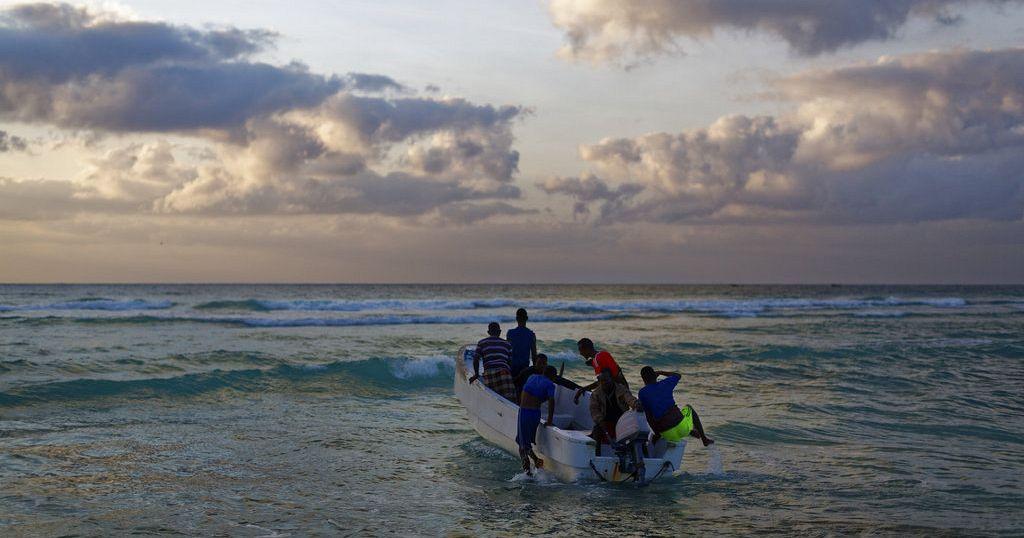
Le Monde.fr further says that “Quatre groupes de pirates (soit environ 36 hommes au total) navigueraient en ce moment dans une zone allant jusqu’à 1 900 km au large des côtes somaliennes,” and it describes pirates using captured dhows as “vaisseaux mères” to attack larger merchant ships.L
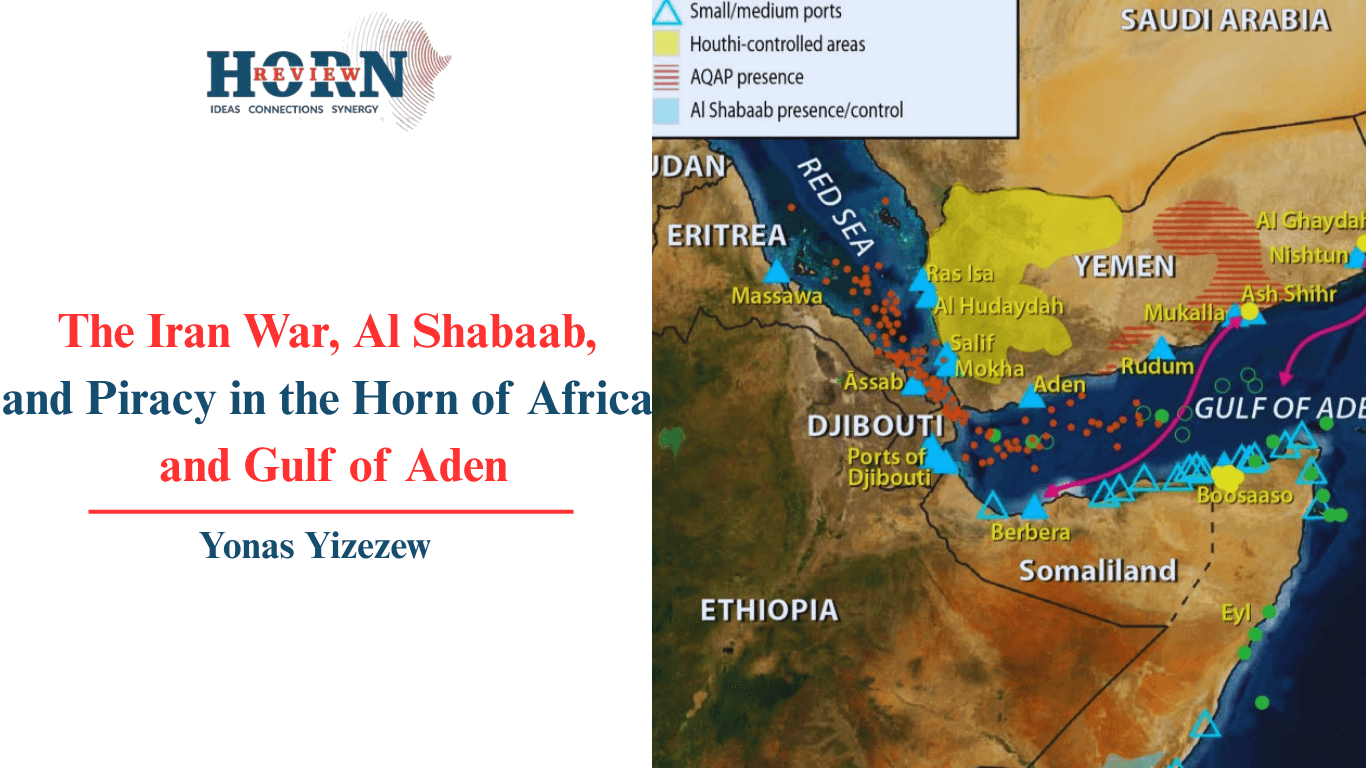
horn review adds a political-military layer, arguing that “Somali piracy must be understood as both a criminal enterprise and a political-military instrument,” and it says the April 2026 hijackings “signal a renewed resurgence in Somali piracy.”
That report also describes how the “Iran-related war, Al Shabaab’s territorial and networked expansion, and the militarization of the Red Sea and Bab el Mandeb reinforce one another,” and it says Western and Gulf powers redirected assets toward “the Eastern Mediterranean and the northern Red Sea,” reducing patrols in the Gulf of Aden and western Indian Ocean.
The Arabic-language report Al Arabiya Al Jadid ties the resurgence to instability and to the EU naval force’s own assessment, quoting that shifting military presence “allows pirate groups to perceive ripe opportunities for their operations.”
Al Shabaab’s Maritime Links
Beyond hijackings, the sources describe a broader ecosystem in which armed groups benefit from maritime crime.
“stands as one of the most significant beneficiaries of this evolving maritime-illicit ecosystem”
horn review says Al Shabaab “stands as one of the most significant beneficiaries of this evolving maritime-illicit ecosystem,” and it adds that the group “controls segments of the coastline, taxes maritime trade, and uses ports and anchorages as logistical nodes.”
It further asserts that “Evidence based reports shows that Al Shabaab increasingly coordinates with pirates and other criminal networks,” and it describes how “The ransom earned from earlier hijackings, such as the MV Abdullah in April 2024, has reportedly financed Al Shabaab’s operations.”
The same report says these operations include “recruitment, weapons procurement, and the maintenance of safe havens in remote areas,” and it argues that the April 2026 incidents represent “potential revenue streams” that can strengthen insurgent capacity.
Le Monde.fr, while focusing on piracy’s return, also points to local dynamics and grievances, saying piracy is “en lien avec la perturbation du trafic maritime en mer Rouge” and with “un phénomène local de frustration des communautés de pêcheurs.”
It quotes Omar Mahmood of the International Crisis Group saying, “Ce sont des actions opportunistes, à la fois en lien avec la perturbation du trafic maritime en mer Rouge et avec un phénomène local de frustration des communautés de pêcheurs,” and it adds that “Tant que la question de la pêche illégale ne sera pas résolue, la piraterie continuera.”
Africa Center for Strategic Studies frames the issue as a continent-wide vulnerability, saying that “No East African navy is currently capable of organizing anti-piracy operations in its waters,” and it warns that maritime insecurity creates “space conducive to various threats.”
EU Patrols Extended, Mandates Shift
The resurgence described across the sources is met with continued European naval engagement, including extensions and mandate changes.
Zone Militaire says “The European anti-piracy operation off the coast of Somalia has been extended for two more years,” and it ties the decision to warnings from the Maritime Information Cooperation & Awareness Center (MICA Center) that “Even if piracy-related activities remain low… the conditions for a return are still present: political instability, poverty, insecurity, illegal fishing….”
It also states that the MICA Center warned that incidents off Puntland appeared linked to “a complex and conjunctural political situation on land,” while calling the December 2023 hijacking of the bulk carrier M/V Ruen “proof” that piracy was “absent since 2017” but “not entirely ‘eradicated.’”
Zone Militaire describes the EU’s Operation EUNAVFOR Atalanta as launched in 2008 and still ongoing with reduced means, saying that “it currently has only one vessel, namely the Spanish frigate ESPS Santa Maria.”
It adds that Atalanta was extended again in 2022 for two more years and that its mandate was expanded to include protection of World Food Programme ships, the fight against trafficking, the implementation of the arms embargo against Somalia, and monitoring illicit activities such as illegal export of charcoal and illegal fishing.
Zone Militaire then states that on “16 December” the EU Council extended Atalanta’s mandate “until February 28, 2027,” and it says the mandate was updated to strengthen maritime security in the Gulf of Aden, in certain parts of the Red Sea, and in the western Indian Ocean.
Le Monde.fr complements this by describing Atalanta’s operational record, saying it “dé nombre 23 incidents (captures ou tentatives d’approche) ces quatre derniers mois,” and it quotes the force command center saying pirates were “réprimées mais pas éradiquées” and would “profiter[aient] de n’importe quelle opportunité.”L
Human and Economic Stakes
The sources describe consequences that extend beyond maritime security into food insecurity, humanitarian access, and regional stability.
“two weeks and about 6,000 miles of added travel time for a ship”
Africa Center for Strategic Studies says the Houthi militia attacks in Yemen “have disrupted maritime transport from the Red Sea to the western Indian Ocean, via the Gulf of Aden,” and it quantifies the impact on shipping as “two weeks and about 6,000 miles of added travel time for a ship.”
It also states that “The 57 million East Africans facing acute food insecurity” are affected, and it adds that “All food supplies destined for the Horn of Africa and East Africa come from Europe, Russia and Ukraine, as well as from the Western Hemisphere via the Red Sea.”
The same analysis says “The 6.6 million people displaced in Sudan… depend heavily on food aid shipped via the Red Sea,” linking maritime disruption to humanitarian outcomes.
Al Arabiya Al Jadid similarly ties piracy to a worsening crisis, saying international reports warned the Iran war is fueling piracy “especially as poverty rates across Somalia worsen due to shrinking international aid and rising food prices.”
It quotes the International Maritime Bureau saying the incidents show “the capacity and intent of Somali pirate groups remain,” and it warns that this threatens “one of the world’s busiest shipping lanes.”
Reuters is referenced in Al Arabiya Al Jadid’s account as describing “two simultaneous catastrophes” in Somalia: “the threat of imminent famine and a sharp reduction in foreign aid,” and it says “the shortage of life-saving therapeutic foods… is forcing clinics to turn away children with severe malnutrition and to ration supplies.”