
Full story
Kennedy and the Moon
On May 25, 1961, President John F. Kennedy launched the race to the Moon in a speech before the U.S. Congress, 43 days after Yuri Gagarin's orbital flight and 20 days after Alan Shepard's suborbital flight aboard Freedom 7.
“- 50 citations pour commencer l'année du bon pied Et si on s'inspirait d'une citation positive pour bien démarrer cette année”
The same account says Kennedy delivered another speech on September 12, 1962, at Rice University in Houston, where he called for unlocking funds to send a man to the Moon and return him safely to Earth.

At Rice University, the speech drew a captivated audience of about 40,000 people, and it included the line, "We choose to go to the Moon."
The narrative also quotes Kennedy explaining the decision: "We choose to go to the Moon in this decade and do the other things as well, not because they are easy, but because they are hard."
A civic pledge
The Times of India frames Kennedy’s 1961 inaugural address as a demand that citizens flip how they measure their relationship with a country.
It quotes Kennedy directly: "Ask not what your country can do for you—ask what you can do for your country," presenting the line as turning citizenship from something received into something owed.
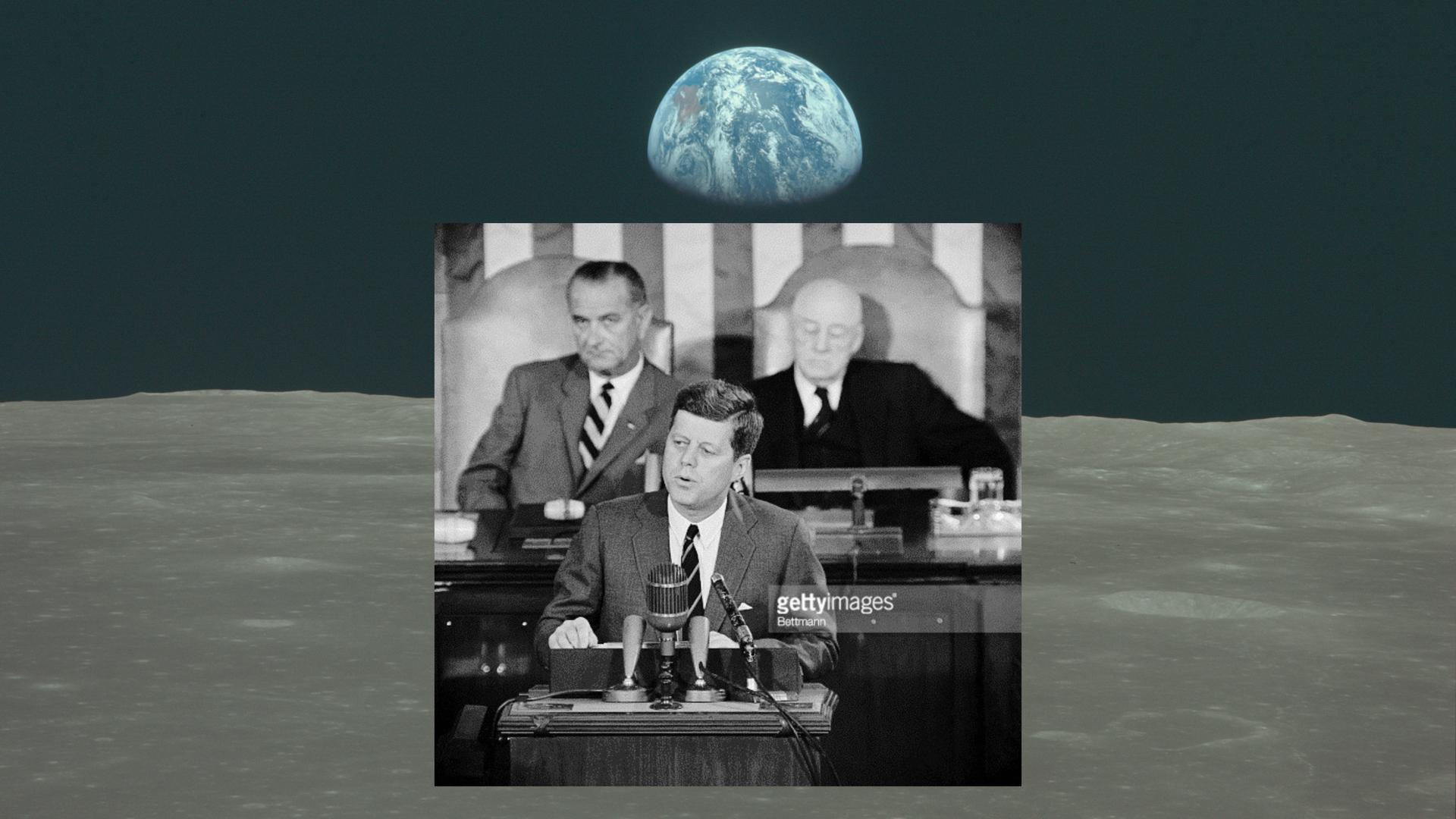
The same article says the line became the single most repeated line of his presidency, quoted so often that its exact wording is more familiar to most people today than almost anything else he said in office.
It also describes the quote as built to be memorable after hearing it only once, with the two halves arranged as mirror-image sentences.
From words to policy
The Times of India links Kennedy’s civic message to action by saying that within two months of the inauguration he established the Peace Corps by executive order.
“Most people measure their relationship with a country, a company or a team by what it gives them back”
It says the Peace Corps invited young Americans to serve abroad in education, agriculture and public health rather than simply enjoying the comforts of home.
The article adds that the program gave the quote an immediate, practical outlet, turning an abstract appeal into an actual government initiative that tens of thousands of volunteers eventually joined.
It concludes by stating that the Peace Corps still operates today, more than sixty years later, built on the same basic premise that individual effort, not government policy alone, shapes a country's standing in


