Full Analysis Summary
Medical evacuations from Gaza
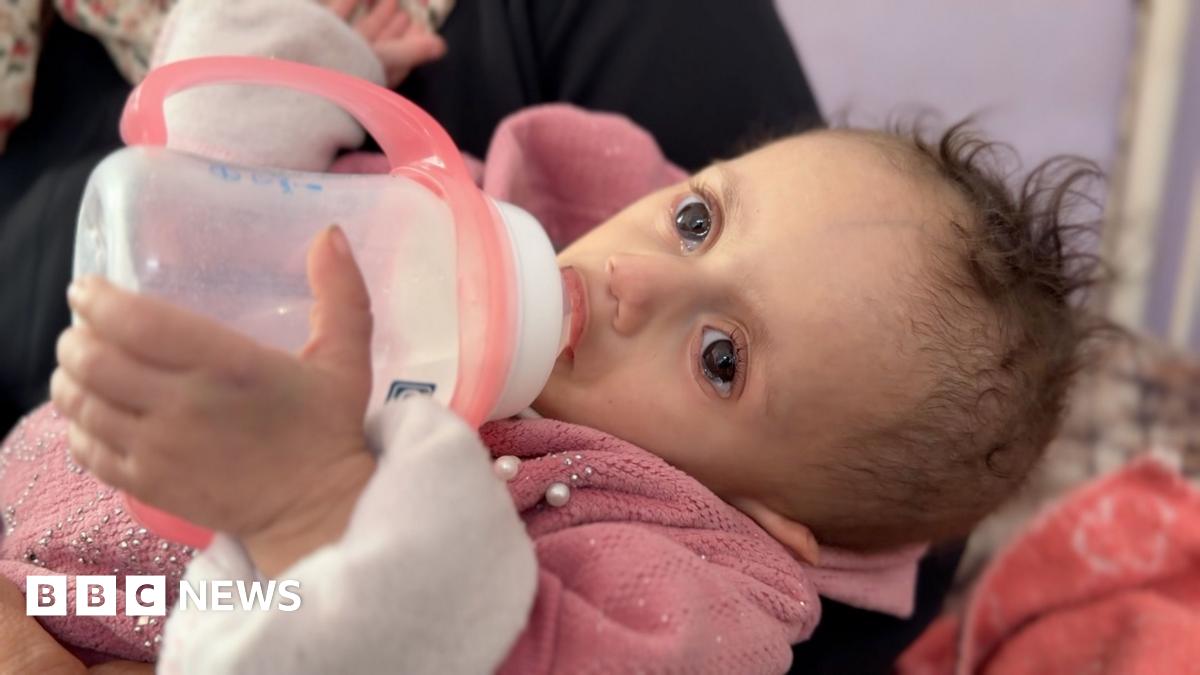
Jordan returned a Palestinian infant known as Siwar to a Gaza hospital after she completed six months of cancer treatment in Amman, highlighting the strain on medical evacuations and supplies for patients from Gaza.
The BBC reports Jordan has been treating sick and wounded Palestinians at a Jordanian field hospital in Gaza and in Jordan.
Since last March Jordan has brought in around 300 sick and wounded children and about 730 parents or guardians from some 2,000 scheduled.
Jordanian authorities gave the family 12 cans of the scarce hypoallergenic Neocate formula for the infant’s return, but the family says Israeli officials confiscated nine cans and some clothing at the crossing.
The infant's return underscores that medical care is being provided outside Gaza while patients often need to come back after treatment so care can be offered to others.
Coverage Differences
Insufficient sources for comparison
Only the BBC (Western Mainstream) article snippet was provided, so no cross-source differences can be identified or compared. I cannot assess contrasting narratives, tones, or omissions across other source types because they were not supplied. The quotes and facts in this paragraph are taken from the single supplied source (BBC) and are reported as such.
Jordan's medical aid to Gaza
Jordan runs a field hospital inside Gaza and also receives patients in Amman.
Because capacity is limited, treated patients are returned to Gaza so beds and resources can be used for others who need care.
Dr Mohammed al-Momani says returning patients after treatment frees up spots, illustrating the acute scarcity of treatment slots and the churn required to try to meet demand.
Coverage Differences
Insufficient sources for comparison
Only BBC coverage is available, so I cannot compare how other outlets frame Jordan’s medical role, whether more critical or more supportive. Any assessment of differing tones or omitted context across source types cannot be done without additional articles.
Medical evacuations and aid access
The WHO and international agencies have urged more medical evacuations for cases that cannot be treated in Gaza and asked Israel to allow patients to receive care in East Jerusalem and the West Bank.
Those transfer routes were halted by Israel after the 7 October attacks, according to the BBC.
Israel’s COGAT says departures to third countries have been substantially eased.
However, the BBC reports that aid deliveries remain insufficient despite increases since the ceasefire.
Coverage Differences
Insufficient sources for comparison
With only the BBC text provided, I cannot contrast WHO or Israeli statements as presented elsewhere, nor can I compare critical or sympathetic editorial framing by West Asian or Western Alternative outlets. The paragraph sticks to what the BBC reports about WHO appeals and COGAT statements.
Regional humanitarian response
The BBC places the infant’s case within a wider humanitarian picture: Jordan hosts more than two million Palestinians and roughly 500,000 others (mainly Syrians), and it has supplied aid by airdrops and convoys.
The BBC also notes that regional states, including the UAE and Turkey, have treated thousands of sick civilians from Gaza, underscoring the regional medical response and the scale of civilian need.
Coverage Differences
Insufficient sources for comparison
No other source texts were supplied, so I cannot identify how West Asian or Western Alternative outlets might emphasize refugee numbers, regional responses, or criticisms of Israeli policies differently from the BBC. The paragraph only reflects the BBC’s account of Jordan’s hosting of refugees and regional medical assistance.
Infant evacuation and supplies
The infant’s family continues to seek evacuation for specialized supplies and treatment amid persistent shortages.
The BBC reports formula was scarce during the March–June blockade of Gaza, and while some formula and monetary donations have arrived since the ceasefire, deliveries remain inadequate.
The BBC also records the family’s claim that Israeli officials confiscated nine cans and clothing at the crossing, and Israel says luggage limits were imposed for security reasons.
That contested account highlights disputes at crossings that directly affect critically ill children.
Coverage Differences
Insufficient sources for comparison
Because only the BBC excerpt is provided, I cannot compare how other outlets report the family’s allegations versus Israel’s explanation, nor can I weigh differences in tone or choice of words across source types. The paragraph therefore reproduces the BBC’s reporting and notes the contested claims as the BBC presents them.