Full Analysis Summary
H-1B fee ruling
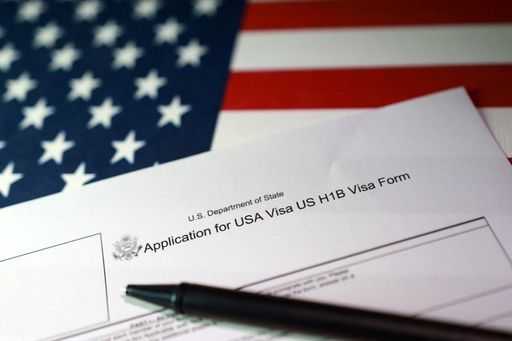
U.S. District Judge Beryl Howell upheld President Donald Trump's $100,000 fee for processing new H-1B visa applications, rejecting legal challenges brought by major business and academic groups.
Multiple outlets reported the decision as an affirmation of the administration's move to impose the controversial surcharge and as a dismissal of the lawsuits seeking to block it.
Observers described the ruling both as enforcement of presidential authority and as a contentious outcome for employers and universities that rely on H-1B workers.
Coverage Differences
Tone and emphasis
EconoTimes frames the ruling as a clear victory for the administration and emphasizes the dismissal of legal challenges, TRT World reports the same outcome but presents it more neutrally, and Daily Report Nigeria also reports the upholding while stressing the controversy and the interests of affected parties.
Ruling on presidential fee authority
Judge Howell’s written opinion, reported as a 56-page ruling in two outlets, grounded the decision in the president’s broad statutory authority to act on economic and national security matters.
The opinion nevertheless acknowledged that the fee could cause significant harm to businesses and higher-education institutions.
That legal reasoning is central to the court’s dismissal of the challenges and to the administration’s ability to implement the fee.
Coverage Differences
Legal framing and wording
TRT World quotes the judge’s phrasing of “broad statutory authority” and explicitly cites her 56‑page opinion; EconoTimes paraphrases the same concept as the president’s “broad authority to regulate immigration,” while Daily Report Nigeria emphasizes Howell found the president acted within his statutory authority to address perceived economic stability and national security threats.
Acknowledgement of harm
Both TRT World and Daily Report Nigeria note the opinion itself warned the fee could “inflict significant harm” or “cause ‘significant harm’” to businesses and universities; EconoTimes reports the ruling and its result but does not include the judge’s cautionary language in the snippet provided.
Fee rollout causes disruption
Reporting across outlets highlights the practical disruption caused by the policy’s rapid rollout.
The fee was announced in September with only about 36 hours' notice, which caused confusion among employers, tech firms, and universities about implementation and who would be affected.
TRT World and Daily Report Nigeria both emphasized the problematic timing and administrative chaos, and TRT framed the move as part of a broader administration crackdown on immigration that would directly hit H-1B use in Silicon Valley.
Coverage Differences
Coverage of operational impact
TRT World uses strong language about chaos and links the fee to a wider ‘crackdown’ targeting Silicon Valley’s use of H‑1B visas; Daily Report Nigeria describes the announcement as having ‘sparked confusion’ among employers, tech firms and higher‑education institutions and calls it a ‘rare direct intervention,’ while EconoTimes focuses on the legal outcome without detailing the rollout confusion in the snippet provided.
Responses to H‑1B fee
Coverage reactions show opposing stakes, noting that major business and academic organizations challenged the fee in court.
Those groups argued that H‑1B workers are vital to U.S. productivity and innovation.
Daily Report Nigeria names the critics explicitly — the U.S. Chamber of Commerce and the Association of American Universities — and provides program context, including the program’s annual 85,000 visas and a note on nationality breakdown.
TRT World and EconoTimes emphasize the potential harm to businesses and universities and note the dismissal of their suits.
Coverage Differences
Detail and named stakeholders
Daily Report Nigeria provides specific names of critics and program statistics (US Chamber of Commerce, Association of American Universities, 85,000 visas annually, three‑quarters to Indian nationals), whereas EconoTimes summarizes challenges from ‘major U.S. business and academic groups’ and TRT World highlights possible harm to ‘American businesses and institutions of higher education’ without listing the same detailed figures in the snippets.
Outlets' framing of ruling
Taken together, the three outlets reflect different emphases.
EconoTimes (Local Western) frames the ruling as a significant win for the administration's immigration policy.
TRT World (West Asian) uses cautionary language about harm and places the fee within a broader crackdown affecting Silicon Valley.
Daily Report Nigeria (Other) pairs the legal outcome with detailed criticism and program statistics to underline the policy's broader workforce implications.
These distinctions show how source type shapes narrative focus — legal victory, operational harm, or sectoral impact — even though all three report the same judicial outcome.
Coverage Differences
Narrative and source influence
EconoTimes highlights the administration’s win; TRT World emphasizes potential harm and situates the fee as part of a wider immigration crackdown; Daily Report Nigeria supplies specific critic names and visa statistics to stress the programmatic consequences and controversy.