Crime09 December, 20252 min read
Judge Richard M. Berman Orders Unsealing of Jeffrey Epstein's 2019 Grand Jury Files Under New Transparency Law
Judge Richard M. Berman ordered unsealing of Jeffrey Epstein’s 2019 grand jury records. Order invoked the Epstein Files Transparency Act, compelling disclosure of related investigative materials.

16 outlets told this the same way.
Epstein files unsealing
On Wednesday, U.S. District Judge Richard M. Berman of the Southern District of New York ordered the unsealing of about 70 pages of grand-jury material from the Justice Department's 2019 probe of Jeffrey Epstein.
“District Judge Richard M. Berman reversed an earlier decision and ordered the release of about 70 pages of grand jury material in the Jeffrey Epstein case, citing the new Epstein Files Transparency Act...”
He cited Congress's newly enacted Epstein Files Transparency Act, which creates an exception to ordinary grand-jury secrecy and directs the Department of Justice to publish Epstein-related files by a Dec. 19 deadline.
Berman reversed an earlier denial and wrote that the law 'unequivocally intends to make public' certain Epstein grand-jury and discovery materials.
Other judges in Manhattan and Florida have issued related orders concerning Ghislaine Maxwell and earlier probes.
The ruling was described as a narrow release covering only a sliver of the larger investigative trove, with courts stressing that victims' identities must be carefully protected through redactions.
2019 Epstein grand jury
Court filings and reporting indicate the 2019 Epstein grand jury in New York heard very limited direct testimony. Prosecutors showed jurors a PowerPoint and call logs and heard from a single FBI agent whose testimony was largely hearsay on June 18 and July 2, 2019. Jurors voted to indict after those sessions.
The released pages are therefore expected to reflect that narrow evidentiary footprint rather than a comprehensive investigative file. Epstein died by suicide in custody a month after his 2019 arrest, leaving the grand-jury materials a focal point for public scrutiny.
Epstein files disclosure law
Berman’s decision was explicitly grounded in the Epstein Files Transparency Act. Multiple sources report the act was passed by Congress and signed by the president, creating a statutory path to disclosure and setting a mid-December publicization deadline.
Judges in related proceedings in Manhattan and Florida have invoked the same statute to modify protective orders and authorize the DOJ to make materials public. Courts and prosecutors have framed the law as superseding some traditional secrecy rules, even though it does not necessarily open every investigative file.
Victim protections and redactions
Courts and the Justice Department have emphasized victim safety and the need for redactions. Judges have required extra protective steps; for example, a federal judge ordered the U.S. attorney to personally certify that documents were rigorously reviewed to protect victims' identities before release. Prosecutors say they will coordinate with survivors and attorneys to remove names, block dissemination of sexualized images, and produce searchable, redacted records.
Media coverage differences
Mainstream outlets largely emphasize judicial and statutory mechanics and temper immediate expectations about new revelations.
“Berman and others stressed that the pages released are only a small sliver of a much larger trove (potentially tens of thousands of pages including FBI notes, witness transcripts, photos, videos, flight logs and Epstein’s autopsy) and urged careful redaction to protect victims’ identities.”
Alternative outlets stress the statute's intent and the approaching Dec. 19 deadline.
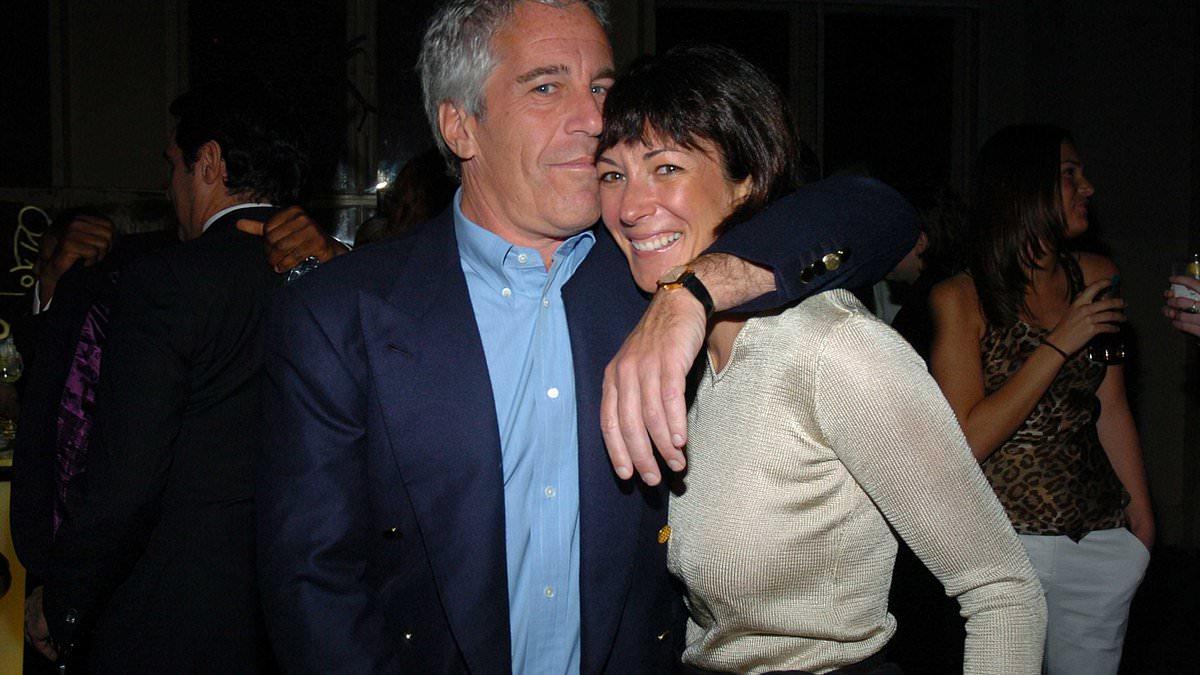
Tabloids highlight potential sensational details, including alleged links to high-profile figures and unverified claims about Maxwell's treatment in custody.
These differences reflect distinct editorial priorities and audience appeals.
Readers should note when a source is reporting court rulings or quoting legal text versus when it is amplifying unverified or peripheral claims.