South America · 25 June, 2026 · 3 min read
June 24 Venezuela Earthquakes Kill 2,295, Injure 11,200 as Yaracuy Quakes Hit Caracas
Back-to-back earthquakes struck Venezuela and Japan within hours, Venezuela sustaining the worst damage. Thousands feared dead or missing; humanitarian needs declared amid Venezuela's disaster.
How Japan and Venezuela outcomes compare.
4 of 5 outlets skipped it: NPR details 72-hour rescue window and local volunteer search..
14outlets compared
Same story, two versions
tap a side to read it in full
Contrasts structural preparedness with reported response delays.
Double quakes hit Venezuela
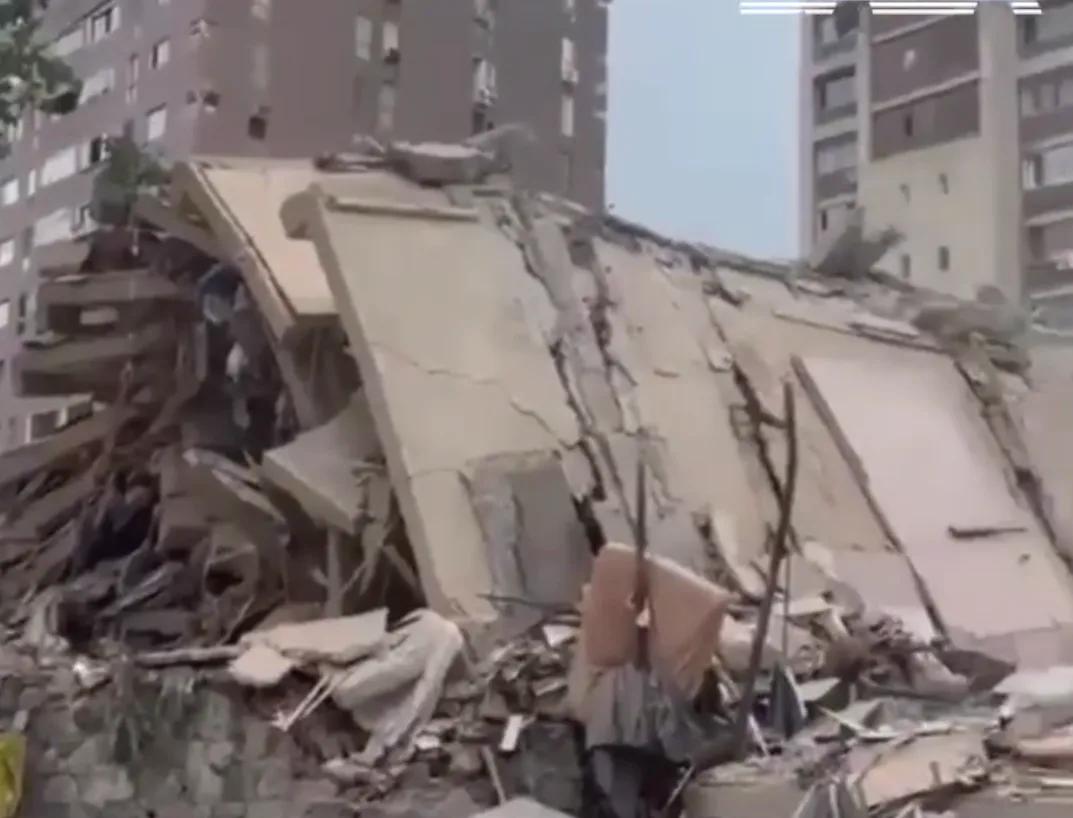
Venezuela’s worst earthquake disaster in over a century struck on June 24 at 6:04 p.m., when two quakes measuring magnitude 7.2 and 7.5 hit within seconds of each other with epicenters in Yaracuy state west of the capital of Caracas. Jorge Rodríguez, Venezuela’s National Assembly president, said that as of Wednesday the number of people killed had risen to 2,295 and more than 11,200 injured, while Gianluca Rampolla, the U.N. humanitarian coordinator in Venezuela, said the death toll "will unavoidably and sadly keep on growing as the search-and-rescue operation continues". NPR reported that residents in Los Corales, in the coastal state of La Guaira, dug with their own hands and pulled corpses from collapsed buildings, using garbage bags and plastic sheets because of a lack of body bags.N
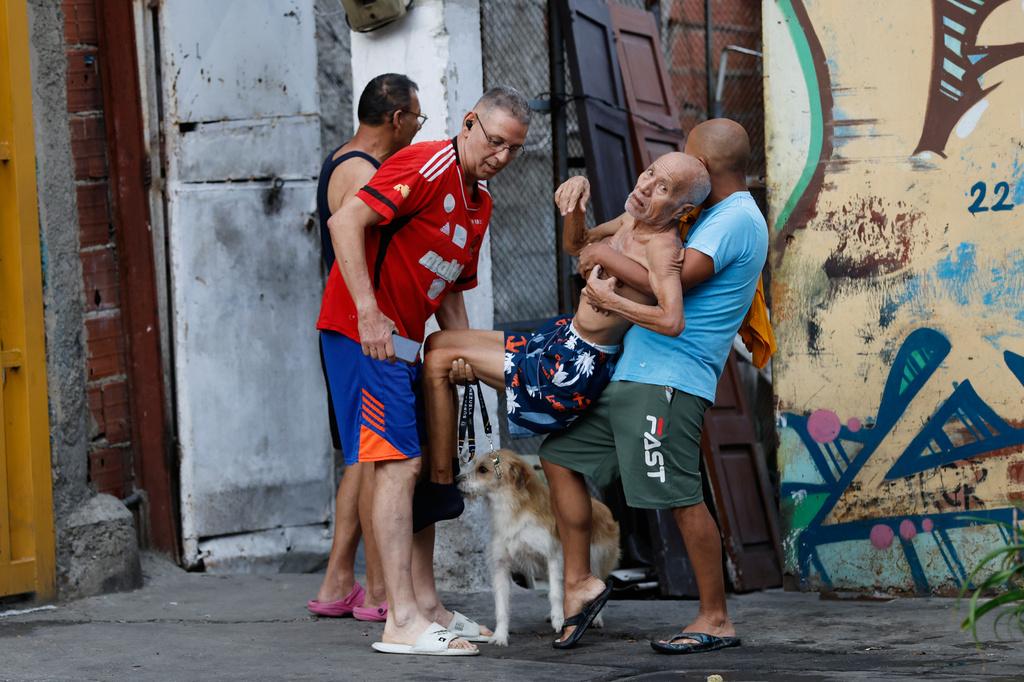
NPR also described how residents said police and army troops were slow to arrive and, when they did, set up roadblocks and demanded government permits from doctors and rescue workers trying to access devastated areas. NIn the midst of the devastation, Interim President Delcy Rodríguez wrote on the Telegram messaging app that the rescue of a 3-year-old boy named Klieber Morán was "a source of hope for our people."

Aid, alerts, and disputes
As the humanitarian crisis deepened, NPR reported that public anger grew at the response from Venezuela’s U.S.-backed government, with residents in disaster zones fending for themselves to recover the dead. NNPR quoted U.N. humanitarian coordinator Gianluca Rampolla saying the U.N. agreed with Venezuela’s government to procure 10,000 body bags, adding, "we truly hope that actually the number is going to be smaller than that." NJapan announced it would dispatch an emergency medical team to Venezuela, with the Japan Disaster Relief Medical Team consisting of 42 specialists including doctors and nurses expected to arrive as early as this week.
Qazinform said Japan was also preparing to send emergency relief supplies such as plastic containers and water purifiers to support recovery efforts and help stabilize conditions for survivors. El Mundo framed the contrast between outcomes by noting that, on the same day, a 7.2-magnitude earthquake struck the northern coast of Japan while Venezuela faced one of the greatest natural disasters in its recent history, with around a thousand dead.E
What’s at stake next
NPR reported that the sheer number of people left homeless could be staggering, citing an analysis of satellite data by Corey Scher and Jamon Van Den Hoek of Oregon State University estimating that 58,870 buildings were likely damaged or destroyed. NThe same NPR account said the U.N.’s International Organization for Migration estimated up to 6.8 million people could be affected by the disaster, requiring shelter, water, sanitation, healthcare and other relief items. NEl Mundo described how Japan’s approach included rapid emergency alerting, saying that when the Japan Meteorological Agency detected the first seismic waves, millions of mobile phones automatically received the emergency alert even before the more destructive waves arrived.E
El Mundo added that it was only a few seconds of margin, enough for many trains to stop and thousands of people to seek shelter, while it said Venezuela lacks a national system comparable. EAgainst that backdrop, NPR reported that a 3-year-old boy was pulled alive from the rubble in La Guaira six days after the quakes hit, underscoring both ongoing search-and-rescue needs and the continuing uncertainty about casualties and survivors.N