Protests04 February, 20262 min read
Jury Acquits Palestine Action 'Filton 6' After Breaking Into Israeli Arms Firm Elbit Systems UK
Six Palestine Action activists acquitted of aggravated burglary over August 6, 2024 Elbit factory raid Jury returned no verdicts on criminal-damage, some violent-disorder, and grievous-bodily-harm charges

20 outlets told this the same way.
Outlets did split on France Suspends Police Stun Grenades at High School Protests After 15-Year-Old Loses Hand →
Elbit Bristol trial outcome
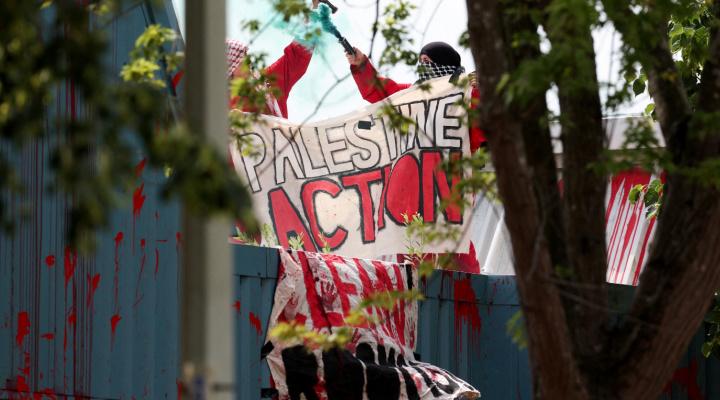
On 6 August 2024 six activists linked to Palestine Action broke into Elbit Systems UK's Bristol site. After a 12-week trial at Woolwich Crown Court, a jury acquitted all six defendants of the principal charge of aggravated burglary while returning mixed or no verdicts on related counts. Jurors cleared Fatema Rajwani, Zoe Rogers and Jordan Devlin of violent disorder.
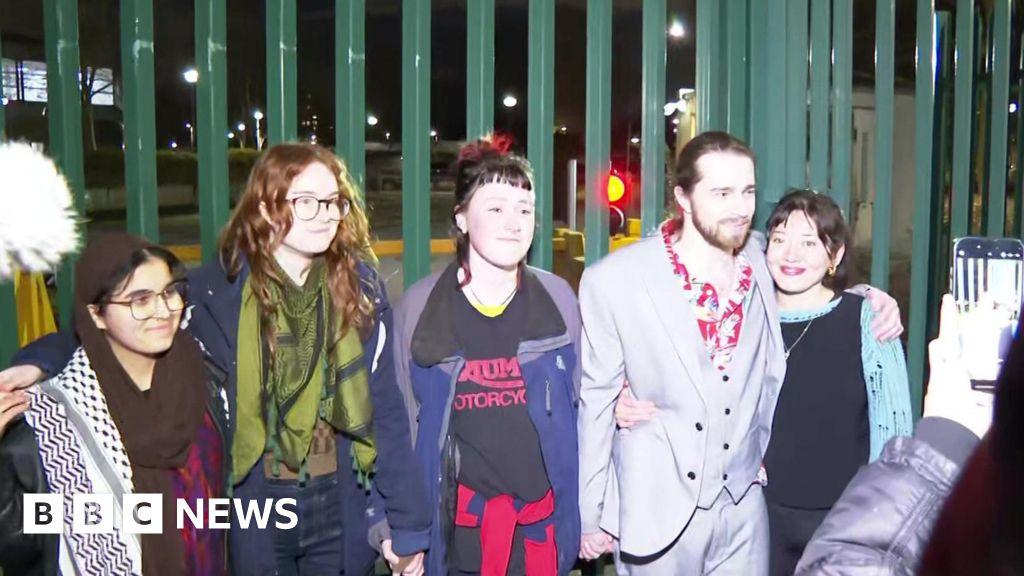
“About 100 people gathered outside Woolwich Crown Court to celebrate the release of five defendants linked to activist group Palestine Action, which says Elbit Systems UK supplies weapons to the Israeli military (a claim the company denies) and that its activists intended no violence. Prosecutors say the defendants brought sledgehammers to confront security guards. Six protesters who broke into an Elbit Systems UK subsidiary near Bristol on 6 August 2024 were tried: Charlotte Head, Leona Kamio, Fatema Rajwani, Zoe Rogers and Jordan Devlin were acquitted of aggravated burglary and released on bail, while Samuel Corner was denied bail. Jurors returned mixed or no verdicts on related criminal damage and violent disorder charges: Rajwani, Rogers and Devlin were acquitted of violent disorder, but no verdicts were reached for Head, Corner and Kamio, leaving the possibility of retrials. Corner also faced a separate grievous bodily harm-with-intent charge for allegedly striking a police sergeant with a sledgehammer, on which jurors could not reach a verdict.”
They failed to reach verdicts on some criminal damage and violent disorder counts and on a grievous bodily harm charge against Samuel Corner; five defendants were granted bail while Corner remains remanded. Supporters celebrated outside the court and about 100 people gathered to mark the releases.
Protest trial summary
Trial evidence and argument centred on deliberate property damage, disputed intent to harm people, and body-worn footage shown to jurors. Prosecutors told the court the group intended to shut Elbit down and suggested they were prepared to injure anyone who tried to stop them, citing footage of guards being sworn at and struck. Defence lawyers acknowledged damage to drones and equipment but argued the activists acted from conscience and compared their actions to historic protest traditions.
Some defendants admitted entering the site and using tools including sledgehammers, which they said were meant to disable weapons not harm staff. Jurors deliberated for more than 36 hours before returning the mixed verdicts.
Verdict reactions and implications
Reactions to the verdict varied sharply across different types of outlets. Campaign groups and alternative outlets called the acquittals a vindication of conscience-driven direct action and a rebuke to proscription. Some mainstream and local reports emphasised procedural points and highlighted the possibility of a retrial.
“Supporters and civil‑liberties groups said the acquittals dealt a major blow to the government’s bid to proscribe Palestine Action under the Terrorism Act 2000, pointing to a recently declassified UK intelligence assessment that much of the group’s activity would not meet the Act’s terrorism definition.”
Supporters and advocacy groups hailed the juries' decisions as a 'huge victory', a vindication of jury independence, and grounds to challenge the ban on Palestine Action. Critics and prosecutors stressed the unresolved charges and said they were considering retrials. The judge repeatedly told jurors that the later proscription of Palestine Action was irrelevant to their deliberations.
Legal and political fallout
Legal uncertainty remains as prosecutors consider retrials on counts where jurors were deadlocked. Campaigners say the verdict supports challenges to the proscription and calls for compensation, bail for other defendants and repeal of laws restricting protests. The trial was politically charged in other ways, with supporters staging hunger strikes while on remand.
The government reportedly decided not to award a £2 billion contract to an Elbit subsidiary amid protests. Jurors were told to ignore jury equity posters that appeared during deliberations. Observers note ambiguity over whether direct action of this kind meets the legal test for terrorism, with some sources pointing to intelligence assessments and others stressing that proscription is a separate legal process.