Full Analysis Summary
Epstein and Maxwell files
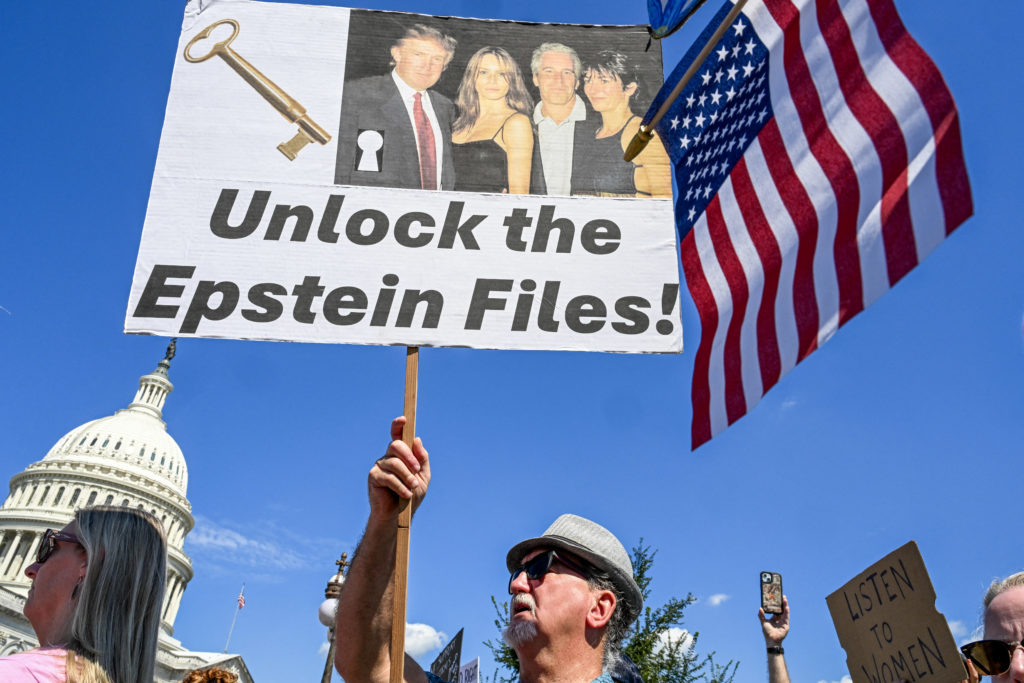
The Justice Department asked a federal judge to unseal and publicly release a broad set of records tied to the Jeffrey Epstein and Ghislaine Maxwell investigations.
The request invokes the new Epstein Files Transparency Act and a related disclosure law.
CNN reported the request was made Wednesday for permission to publicly release records so the department can comply with the new law.
Forbes framed the move as a request to unseal and release files tied to the prosecution of Ghislaine Maxwell, who is serving a 20-year sentence for sex trafficking, so the government can comply with a law requiring disclosure of records related to Jeffrey Epstein.
PBS described the Justice Department as preparing to release its files on Jeffrey Epstein and Ghislaine Maxwell and noted that a related court fight over sealed records in Maxwell's criminal case is revealing what they may contain.
Coverage Differences
Narrative emphasis
All three sources are Western mainstream outlets but emphasize different aspects: CNN (Western Mainstream) highlights the statutory basis and the specific request to comply with the Epstein Files Transparency Act and to lift protective orders; Forbes (Western Mainstream) emphasizes the link to Maxwell’s prosecution and her 20-year sentence when framing why the files are being unsealed; PBS (Western Mainstream) frames the story through the lens of an ongoing court fight that is revealing what the files may include. Each source reports facts rather than offering editorial opinion — for example, Forbes reports the linkage to Maxwell’s sentence, while CNN reports the DOJ’s statutory justification, and PBS reports the procedural contention in court.
DOJ unsealing request
The DOJ's letter to the court seeks to lift protective orders and unseal a wide array of materials.
CNN lists the targeted categories in detail, including search warrants, financial and travel records such as flight lists, government reports (police, arrest and booking), civil deposition materials, items from Epstein's estate, and interview reports and notes involving third parties and victims.
PBS highlights similar categories and adds that the documents may include survivor interview notes, electronic device data, and materials from earlier Epstein investigations in Florida.
Forbes summarizes the request as an effort to unseal and release files tied to the prosecution of Ghislaine Maxwell, linking the materials directly to her case.
Coverage Differences
Detail and scope
CNN (Western Mainstream) provides an expanded, itemized inventory of the kinds of materials the DOJ asked to unseal, including flight lists and items from Epstein’s estate; PBS (Western Mainstream) echoes many of those categories but highlights survivor interview notes and electronic device data and explicitly references materials from earlier Florida investigations; Forbes (Western Mainstream) gives a briefer summary focused on the connection to Maxwell’s prosecution rather than enumerating the document types. The differences are in what each source chooses to quote from the DOJ letter — CNN quotes the detailed list, PBS picks out categories with a focus on investigative materials and survivor-related items, and Forbes emphasizes the legal linkage to Maxwell’s case.
DOJ seeks sealed records release
The move involves ongoing court proceedings and specific procedural requests.
CNN reports the Department of Justice asked Judge Paul Engelmayer in the Southern District of New York to lift a protective order barring public dissemination of evidence given to Maxwell.
The DOJ also asked judges overseeing both the Maxwell and Epstein matters to quickly rule on releasing grand jury transcripts of law enforcement witnesses.
Forbes similarly reported the request came in a letter to Judge Engelmayer.
PBS characterized the developments as part of a related court fight over sealed records in Maxwell's criminal case.
The DOJ has said it would redact victims' personally identifying information before any release.
Coverage Differences
Procedural framing
CNN (Western Mainstream) provides the specific procedural requests (lifting a protective order and seeking rapid rulings on grand jury transcripts) and cites Judge Paul Engelmayer by name; Forbes (Western Mainstream) reports the letter was sent to a district judge and ties the motion to compliance with disclosure law; PBS (Western Mainstream) emphasizes that the process is unfolding as a court fight over sealed records. Again, the sources are reporting overlapping facts but foreground different procedural angles — CNN on orders and grand jury transcripts, Forbes on the formal letter and legal compliance, PBS on the adversarial court context.
Media framing of release
Outlets frame the potential release as an effort to increase transparency while balancing victims’ privacy.
The release raises public-interest questions about what newly disclosed evidence might reveal about Jeffrey Epstein, Ghislaine Maxwell, and others connected to their networks.
CNN notes that the Department of Justice said it would redact victims’ personally identifying information.
Forbes emphasizes compliance with a law requiring disclosure of records related to Epstein and highlights Maxwell’s sentence context.
PBS points to earlier Florida investigations as part of the materials that may shed additional light and to the ongoing court fight.
All three sources are Western mainstream outlets and therefore present similar legal-news framing, though they differ in emphasis.
Because the available sources are all Western mainstream publications, the coverage shows limited diversity in source type and perspective in these snippets.
Coverage Differences
Tone and framing
The three Western Mainstream sources overlap in facts but adopt different tones: CNN (Western Mainstream) takes a procedural, detail-oriented tone emphasizing redactions and court motions; Forbes (Western Mainstream) situates the move within statutory compliance and Maxwell’s criminal sentence; PBS (Western Mainstream) emphasizes the investigative scope and the broader court contest over sealed records. The lack of other source types in the provided set means there is limited visibility of alternative narratives or markedly different frames in these snippets.