USA02 December, 20252 min read
Justice Department Moves to Dismiss Maurene Comey’s Lawsuit, Citing Procedural Lapse
Justice Department seeks dismissal of Maurene Comey's lawsuit. DOJ argues Comey failed to exhaust required administrative complaint procedures before filing suit.

12 outlets told this the same way.
Outlets did split on Trump Interrupted by Protesters at San Antonio Rally for Ken Paxton →
Former prosecutor's firing lawsuit
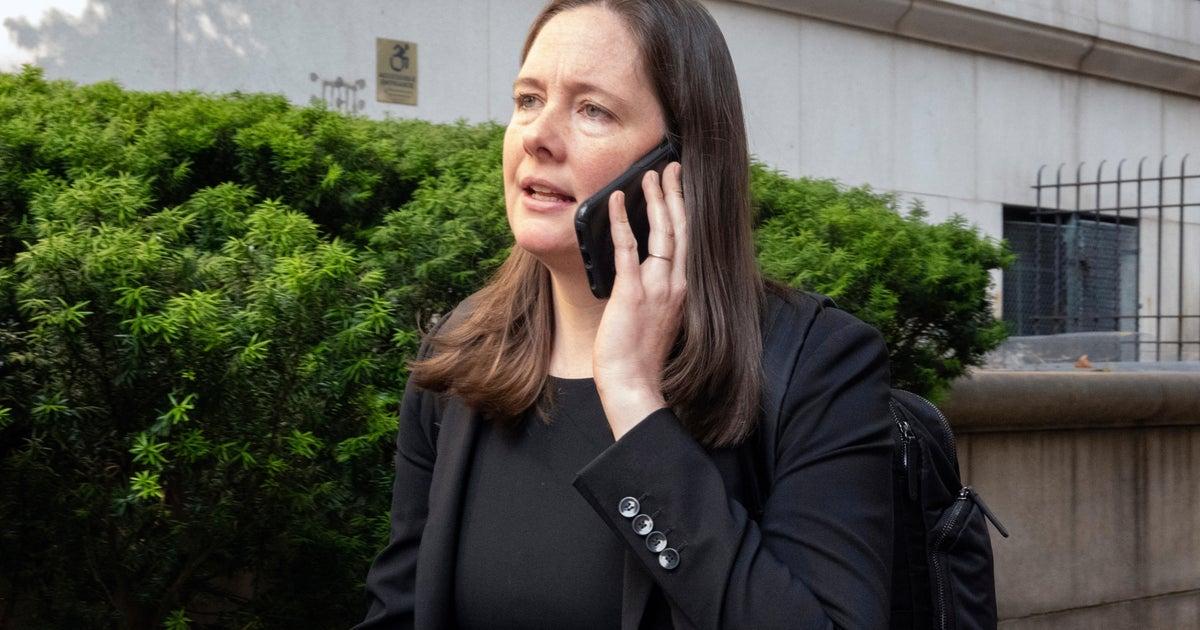
The Justice Department moved to dismiss a lawsuit filed by former federal prosecutor Maurene Comey, arguing she failed to exhaust administrative remedies by not first taking her claims to the Merit Systems Protection Board (MSPB).
“The Justice Department asked a federal court to dismiss a lawsuit by former federal prosecutor Maurene Comey, saying she failed to exhaust required administrative remedies before suing.”
DOJ lawyers said Comey should have appealed to the MSPB and that her assertion the appeal would be futile was incorrect, describing the MSPB as the proper administrative forum for her claims.

The filing follows Comey's July firing and her September lawsuit alleging her removal was politically motivated in part because she is the daughter of former FBI Director James Comey.
A hearing on the dispute was scheduled for Thursday in Manhattan before Judge Jesse M. Furman.
Comey v. MSPB dispute
The Department of Justice's central legal argument, repeated across filings and reported widely, is that Comey must first seek redress at the MSPB because the board is the proper forum for personnel disputes and that an appeal would not have been futile. Comey's attorneys counter that the MSPB lacks the expertise to resolve novel constitutional separation-of-powers questions and that the board is insufficiently independent from the president to be an adequate forum. That clash - procedural requirement versus constitutional and independence concerns - is the heart of the parties' written submissions ahead of the Manhattan hearing.
Reporting on case recusals
Filings and reporting note the case is being handled differently because of recusals, with Albany U.S. Attorney John Sarcone overseeing the matter after New York prosecutors recused themselves.
“U.S. Attorney John Sarcone in Albany is handling the case after local prosecutors recused; Maurene Comey is known for winning several high-profile convictions, including in the Ghislaine Maxwell trial.”
Several outlets underline Comey’s prosecutorial record while explaining who brought the suit and which entities are named.
The DOJ filing named the department and other federal offices, and the suit alleges political motivation for her July firing.
Reporting varies in detail about her prior cases; some cite the Ghislaine Maxwell conviction specifically, while others add bribery cases or the Sean Combs prosecution.
Procedural dismissal dispute
The dismissal request was presented in court papers and, according to at least one report, in a joint letter to Judge Jesse M. Furman ahead of the scheduled Manhattan hearing.
The Department of Justice asked the federal court to decline to decide the merits until the administrative route is exhausted.

Comey’s side argues that the administrative process would be inadequate to resolve the constitutional questions she raises.
That procedural posture — a jurisdictional, pre-merits fight over forum and exhaustion — is the immediate practical hurdle for Comey’s lawsuit.
Variation in media coverage
Across the sampled coverage, tone and added context vary by source type. Western mainstream outlets such as the Associated Press and local U.S. papers tend to emphasize procedural and local prosecutorial aspects. West Asian outlet Al Jazeera provides wider political framing and lists more named defendants and cases.
“The Justice Department asked a federal court to dismiss a lawsuit by former federal prosecutor Maurene Comey, saying she failed to exhaust required administrative remedies before suing.”
Smaller regional and local outlets largely reproduce the DOJ's dismissal argument and Comey's lawyers' response in similar language. There is consistency that the dispute centers on exhaustion and MSPB adequacy, but sources vary in how much political context or background case detail they include.