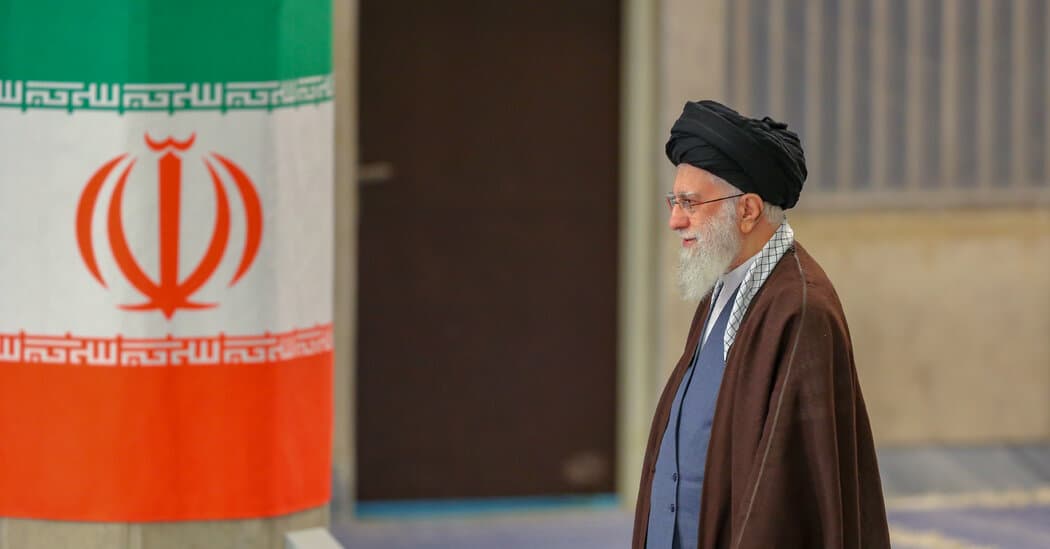
Kalshi Refuses Payout on Bets That Iran's Supreme Leader Khamenei Would Die
Key Takeaways
- Kalshi refused payout of about $54 million on bets Khamenei would be ousted.
- Kalshi cited a policy against death bets as the reason.
- Bettors angry; some lawmakers seek to restrict prediction markets.
Betting Market Controversy
Kalshi, a U.S.-based prediction platform, has sparked controversy by refusing to pay out approximately $54 million to traders.
“Prediction platform Kalshi is facing fury from traders after it refused to pay out around $54 million to users who bet that Ayatollah Ali Khamenei would be out as Iran's supreme leader last weekend, despite his death being confirmed in airstrikes on Tehran”
Investors had bet on the ouster of Iran's Supreme Leader Ayatollah Ali Khamenei.
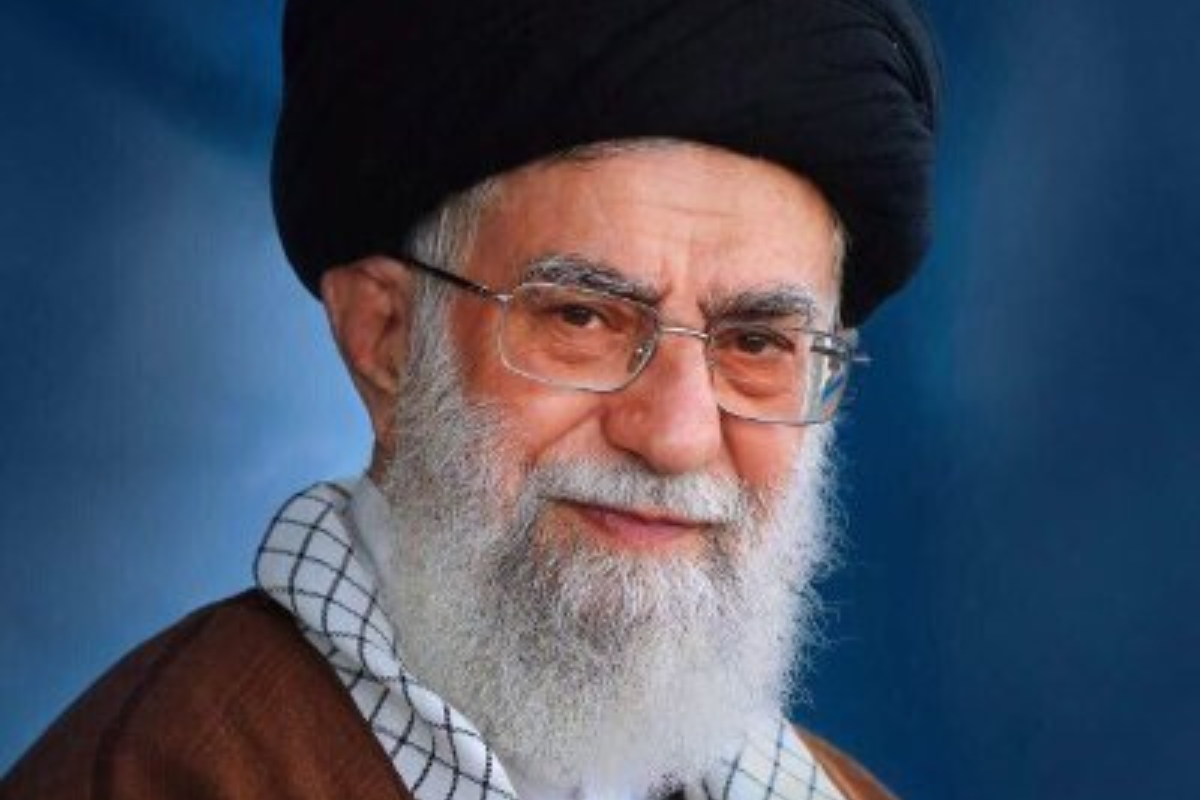
His death was confirmed in airstrikes on Tehran.
The platform's decision has ignited fury among traders.
Investors believed their winning bets were legitimate.
The incident raises questions about how platforms interpret their own rules.
It also questions the ethical boundaries of geopolitical betting markets.
This highlights the complex intersection of finance, international events, and platform governance.
Prediction markets are becoming increasingly accessible.
This creates new challenges for regulation and ethical oversight.
Investor Details
The betting market on Khamenei's ouster attracted significant financial attention.
Over $50 million traded on the contract by the time U.S.-Israeli bombing began on February 28.
An Israeli-American business executive in New York staked $3,460 on Khamenei's removal.
He bet on either March 1 or April 1 as the removal dates.
When news broke of Khamenei's death, he logged into Kalshi.
He saw green checkmarks indicating his positions had settled in the money.
The apparent payout was more than $63,000.
He began planning a luxury trip to Courchevel, the exclusive French ski resort.
Regulatory Context
Kalshi operates under the regulatory framework of the U.S. Commodity Futures Trading Commission.
“Prediction platform Kalshi is facing fury from traders after it refused to pay out around $54 million to users who bet that Ayatollah Ali Khamenei would be out as Iran's supreme leader last weekend, despite his death being confirmed in airstrikes on Tehran”
The CFTC imposes strict limitations on betting activities related to war and death.
Elisabeth Diana, the company's communications chief, stated that 'Profiting from death is not allowed on Kalshi.'
She described this policy as 'a good thing'.
This suggests the platform has ethical guidelines prohibiting certain types of speculation.
This regulatory context helps explain Kalshi's decision to refuse payouts.
The platform may be asserting that the bets violated federal rules.
The rules prohibit betting on war and death.
The market was established before the actual military conflict began.
The original terms did not explicitly mention death scenarios.
Reporting Contradiction
There appears to be a significant contradiction in reporting Kalshi's actions.
The International Business Times states the platform 'refused to pay out around $54 million.'
The New York Times reports that Kalshi 'reimbursed bettors.'
This discrepancy highlights the complexity of the situation.
It suggests either a misunderstanding of the timeline.
Different types of bets may have been treated differently.
Company policy may have evolved as the situation developed.
The controversy underscores broader ethical challenges.
It raises questions about prediction markets engaging with geopolitical events.
This is especially true when large sums and human tragedies intersect.
More on Iran

Israel strikes Iran's Pars gas field as Tehran vows revenge
14 sources compared
Trump threatens to blow up South Pars gas field if Iran attacks Qatar again
10 sources compared
UAE Halts Habshan Gas Facility Operations After Debris From Intercepted Missiles
10 sources compared

Iran Threatens Gulf Energy Facilities After Israel Strikes South Pars Gas Field
11 sources compared