
Kataib Hezbollah Kidnaps American Journalist Shelly Kittleson in Baghdad, U.S. Says
Key Takeaways
- American journalist Shelly Kittleson was abducted in Baghdad on March 31.
- The kidnapping was attributed to Kata'ib Hezbollah, an Iran-backed Iraqi militia.
- U.S. and Iraqi authorities pursued suspects; later reports claim her release.
Abduction in Baghdad
An American journalist, Shelly Kittleson, was kidnapped in Iraq on Tuesday, March 31, in Baghdad, as Washington said one of its female citizens had been abducted and that an abductor had been arrested.
“Skip to main content”
Radio France reported that the U.S. said the reporter’s name was Shelly Kittleson and that she was kidnapped on a Baghdad street on Tuesday, March 31, with her captors fleeing in two cars.

Le Devoir described Iraqi security officials saying the journalist was abducted on Saadoun Street in central Baghdad, and that a checkpoint alert had been sent to all checkpoints, leading to the pursuit of the captors as they headed toward Babil Province.
Le Devoir also said two vehicles were involved, one of which crashed while being pursued near the town of Al-Haswa in Babil Province, southwest of Baghdad, and that the journalist was then transferred to a second vehicle that fled.
The U.S. State Department said it was closely monitoring the situation and that it had “no higher priority than the safety of Americans,” while Dylan Johnson stated that “the U.S. State Department had previously fulfilled its duty to warn this person of the threats she faced.”
Multiple outlets tied the case to the pro-Iranian militia Kataib Hezbollah: Radio France said the suspect was a man linked to Kata'ib Hezbollah, and Le Devoir said a person linked to the Kataib Hezbollah militia group, aligned with Iran, was detained by Iraqi authorities.
Threats and the Search
In the hours after the abduction, Iraqi authorities launched an operation to find the kidnappers, and a vehicle suspected of being used by the kidnappers was spotted and pursued, according to Le HuffPost.
Le HuffPost said the vehicle finally overturned during the getaway, and that inside, a suspect was arrested but there was no trace of the journalist.

Le Devoir added operational detail, saying Iraqi Interior Ministry security forces launched an operation to locate the captors and had intercepted a vehicle belonging to them that had overturned as they tried to flee.
Le Devoir also reported that a suspect was arrested and one of the vehicles used in the kidnapping was seized, while others were still at large, and that the Interior Ministry said security forces had intercepted a vehicle that had overturned.
Le HuffPost said the State Department was working with Iraqi authorities to secure her release “as quickly as possible,” and Radio France said she had been contacted several times about threats against her, including last night.
Across the coverage, U.S. officials emphasized that they had warned Kittleson about threats: Radio France said an American official speaking on condition of anonymity said she had been contacted several times about threats against her, including last night.
Identity, Background, and Work
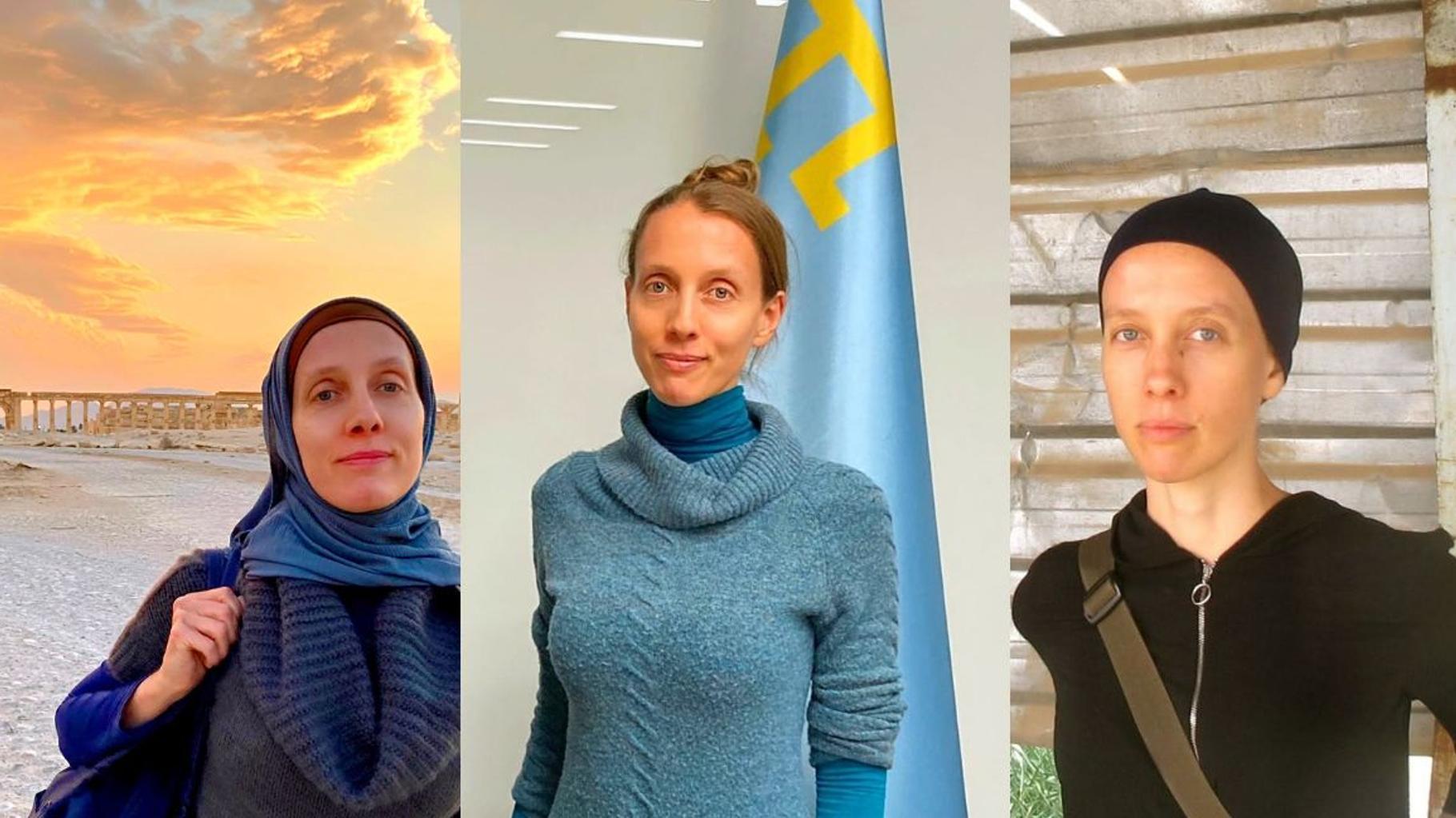
The kidnapping coverage repeatedly tied Shelly Kittleson’s identity to her work and her location, describing her as an American journalist specializing in the Middle East and based in Rome.
“Iran strongly urges Gulf residents to stay one kilometer away from banks, headlines the Saudi daily Arab News on Thursday, March 12, which explains that Tehran now regards the financial institutions of the Arab petromonarchies as "legitimate targets”
TF1 Info said Kittleson was abducted on March 31 in Baghdad, Iraq, and that the young woman was kidnapped in broad daylight in the heart of Baghdad, with a pro-Iranian movement suspected behind the kidnapping.
TF1 Info also said that according to the NGO International Women's Media Foundation (IWMF), Shelly Kittleson currently resides in Rome, and that she has traversed the region “from Iraq to Syria, via Afghanistan.”
Le HuffPost similarly said she is an American journalist specializing in the Middle East and a contributor to Al-Monitor, and that she is based in Rome and has worked for several years in Iraq, Syria, and Afghanistan.
Le Devoir added that she is a freelancer who contributed to the publication and that she is a longtime freelancer in the region who has covered Syria and Iraq.
Le Soir also referenced the earlier kidnapping of Israeli-Russian academic Elizabeth Tsourkov in Baghdad in 2023, saying she was held for two years before being released last year.
Release After Ceasefire
After more than five weeks of war in the Middle East, the Iraqi pro-Iranian group Kata'ib Hezbollah released Shelly Kittleson on Tuesday, according to Al-Monitor and multiple outlets.
Al-Monitor said her release had been announced by the group a few hours before Washington and Tehran reached a ceasefire after more than five weeks of war, and it quoted a statement from Abu Mujahid al-Assaf, a security official within the Iran-backed group.
Al-Monitor reported that Abu Mujahid al-Assaf said, "We have decided to release the American detainee Shelly Kittleson on condition that she leaves the country immediately," and added that it was an exceptional gesture that "will not be repeated (...) because we are in a war led by the Zionist-American enemy against Islam, and in such a situation, many considerations are abandoned,".
Al-Monitor also said U.S. Secretary of State Marco Rubio later confirmed the news on X, writing, "We are relieved that this American is now free and we are working to facilitate her departure from Iraq safely."
عكاظ likewise said the Hezbollah Brigades stated it would free the kidnapped American journalist Shelly Kittleson and that she must leave Iraq immediately, attributing the statement to Abu Mujahid Al-Asaf.
In the release accounts, the U.S. and the group both emphasized the departure requirement, with Al-Monitor’s Rubio saying the U.S. was working to facilitate her departure safely and with Abu Mujahid al-Assaf setting the condition that she leave the country immediately.
Competing Frames and Next Steps
The release of Shelly Kittleson was framed differently across outlets, with some emphasizing the group’s conditions and others emphasizing U.S. diplomacy and safety efforts.
“In Baghdad, everything happened in an instant”
Al-Monitor foregrounded Kata'ib Hezbollah’s statement and its warning that the gesture would not be repeated, quoting Abu Mujahid al-Assaf that it "will not be repeated (...) because we are in a war led by the Zionist-American enemy against Islam."
In contrast, Al-Monitor also highlighted the U.S. response through Marco Rubio’s X confirmation that the U.S. was “working to facilitate her departure from Iraq safely.”
عكاظ presented the release as an announced decision by the Hezbollah Brigades and added that Abu Mujahid Al-Asaf claimed the journalist is accused of engaging in activities in Iraq, and that in the coming days he would present her activities.
TF1 Info, which had earlier described the kidnapping and the arrest of a pro-Iranian suspect, also included a comparison to the earlier kidnapping of Elizabeth Tsourkov and said she was held hostage by Kataib Hizballah for 903 days before being released thanks to an agreement negotiated by the United States.
Le Devoir had quoted Dylan Johnson saying the U.S. State Department had previously fulfilled its duty to warn Kittleson about threats, and it quoted the Trump administration statement that it had “no higher priority than the safety of Americans.”
More on USA
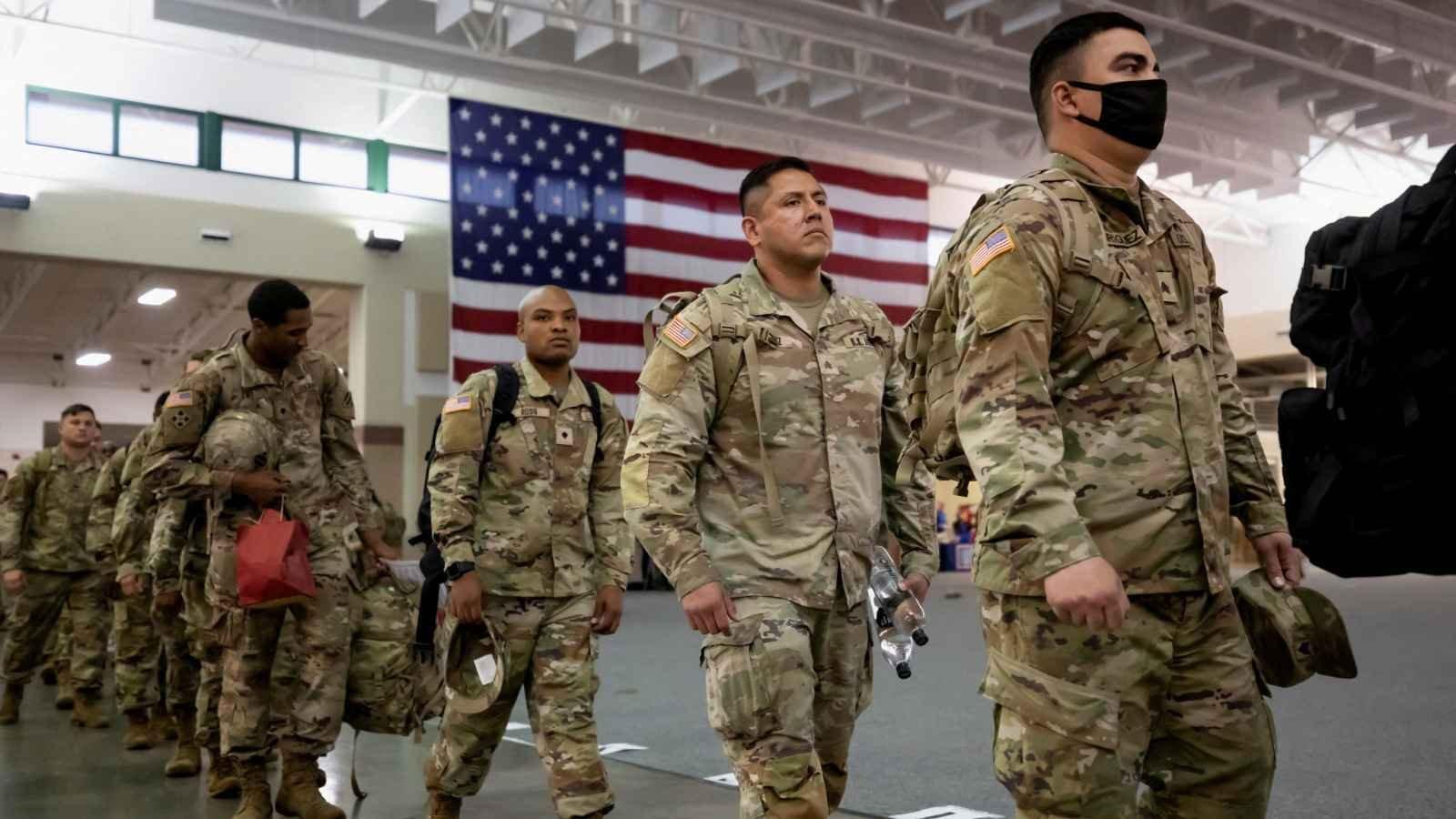
Donald Trump Threatens Troop Reduction in Germany, Also Targets Italy and Spain
18 sources compared
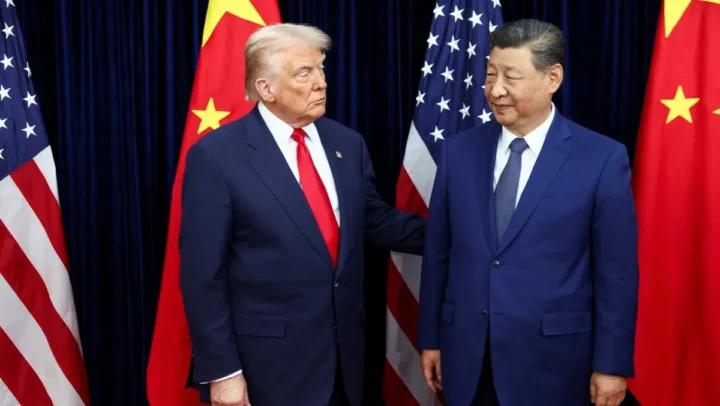
Trump And Xi Jinping Head To Beijing Summit As China Pushes Taiwan Independence Agenda
12 sources compared
U.S. and Iran Clash as War Powers Deadline Nears, Oil Prices Hit Four-Year High
21 sources compared

Trump Signs Executive Order Expanding Access to TrumpIRA.gov Retirement Accounts
10 sources compared