Ukraine War30 November, 20252 min read
Kazakhstan Demands Ukraine Stop Attacking CPC Black Sea Oil Terminal After Naval Drone Strike Halts Exports
This article is an automated aggregation of coverage from news outlets. Our editorials offer in-depth analysis curated by the NewsCord team.
Naval drone attack severely damaged CPC Novorossiysk terminal, halting its crude oil exports Kazakhstan's foreign ministry officially demanded Ukraine stop attacks and protested the targeted strike
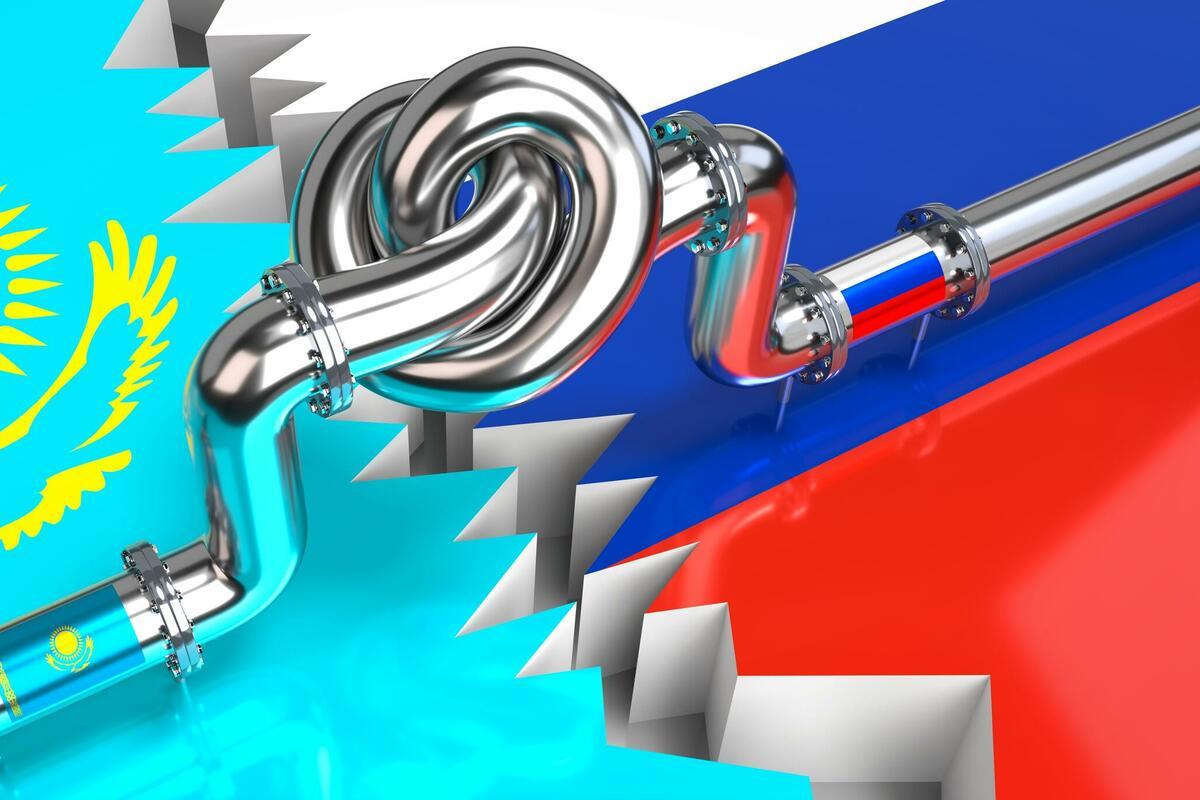
7 outlets told this the same way.
CPC Terminal Strike Summary
A Ukrainian naval drone strike significantly damaged a mooring at the Caspian Pipeline Consortium's (CPC) Black Sea terminal in Novorossiysk, forcing the CPC to halt operations and suspend exports. Multiple outlets reported that the CPC — jointly owned by Russian, Kazakh and US shareholders — said it had suspended activity after the strike and noted the terminal handles more than 1% of global oil. Several sources described the incident as part of a wider set of Ukrainian attacks this year on Russian oil infrastructure.
“Kazakhstan urged Ukraine on Sunday to stop attacking the Caspian Pipeline Consortium’s (CPC) Black Sea terminal after a major Ukrainian naval drone strike significantly damaged a mooring, halted exports and seriously damaged loading infrastructure.”
Kazakhstan protests CPC strikes
Kazakhstan's Foreign Ministry publicly protested to Kyiv, urging the cessation of strikes on the CPC terminal and characterizing the hits as attacks on civilian infrastructure. News18 records the ministry calling the terminal 'an exclusively civilian facility' protected by international law and protesting 'another deliberate attack'.
The Hindu reports Kazakhstan described the strike as the 'third act of aggression' against the facility and lodged a formal protest with Ukraine. Vijesti.me likewise records a condemnation and warns the incident harms Kazakhstan-Ukraine relations.

CPC ownership and damage
All sources state the CPC is jointly owned by Russian, Kazakh and US shareholders. The terminal handles more than 1% of global oil. The strike damaged mooring and loading infrastructure.
“The CPC — jointly owned by Russian, Kazakh and US shareholders — handles more than 1% of global oil.”
Vijesti.me cites KCP saying one of three mooring buoys was disabled. News18 references Reuters' citation of the CPC statement on halted operations.
Reactions to oil-strike reports
Most outlets situate the strike within a broader Ukrainian campaign targeting Russian oil infrastructure to dent Moscow’s revenue. South China Morning Post, News18 and Caspian Post explicitly say Kyiv has repeatedly struck refineries and terminals this year to undermine the Russian war economy.
By contrast, vijesti.me notes Kyiv has not commented and emphasizes Kazakhstan’s neutrality and calls to respect Ukrainian sovereignty, highlighting a diplomatic balancing act for Nur-Sultan. The Hindu reports the incident occurred on November 30, 2025, and stresses Kazakhstan’s formal protest.

Media coverage of strike
News18 and The Hindu emphasize Kazakhstan’s formal protests and employ strong legal language condemning the strike as deliberate and as an attack on civilian infrastructure. Vijesti.me highlights that Kazakhstan, despite its ties to Russia, declares neutrality and expresses concern about potential damage to Kazakhstan–Ukraine relations.
“Kazakhstan on Sunday urged Ukraine to stop attacking the Black Sea terminal of the Caspian Pipeline Consortium (CPC), which handles over 1% of global oil, condemning the strikes as attacks on ‘an exclusively civilian facility’ protected by international law.”
South China Morning Post and Caspian Post focus on the economic and energy-security implications, particularly for global oil flows and Russia’s revenue. Taken together, the coverage consistently reports the strike and the suspension of CPC operations but varies in tone, legal framing, and diplomatic emphasis across source types.
