Keir Starmer and Emmanuel Macron Formalize UK-France Defensive Hormuz Shipping Mission With Dozens of Countries
Key Takeaways
- UK and France will lead a multinational, defensive mission to secure Hormuz shipping.
- More than a dozen countries ready to contribute assets to the mission.
- Plan is strictly peaceful and defensive, deployed only after lasting peace in the region.
Europe’s Hormuz coalition
European leaders in Paris moved to formalize a multinational effort to protect commercial shipping in the Strait of Hormuz, with the UK and France positioning themselves as the core planners.
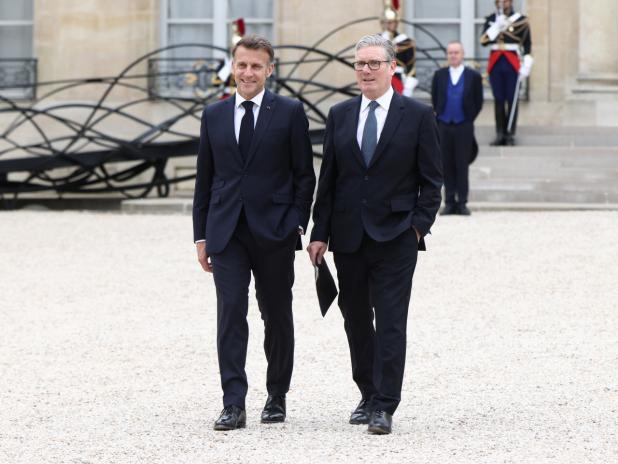
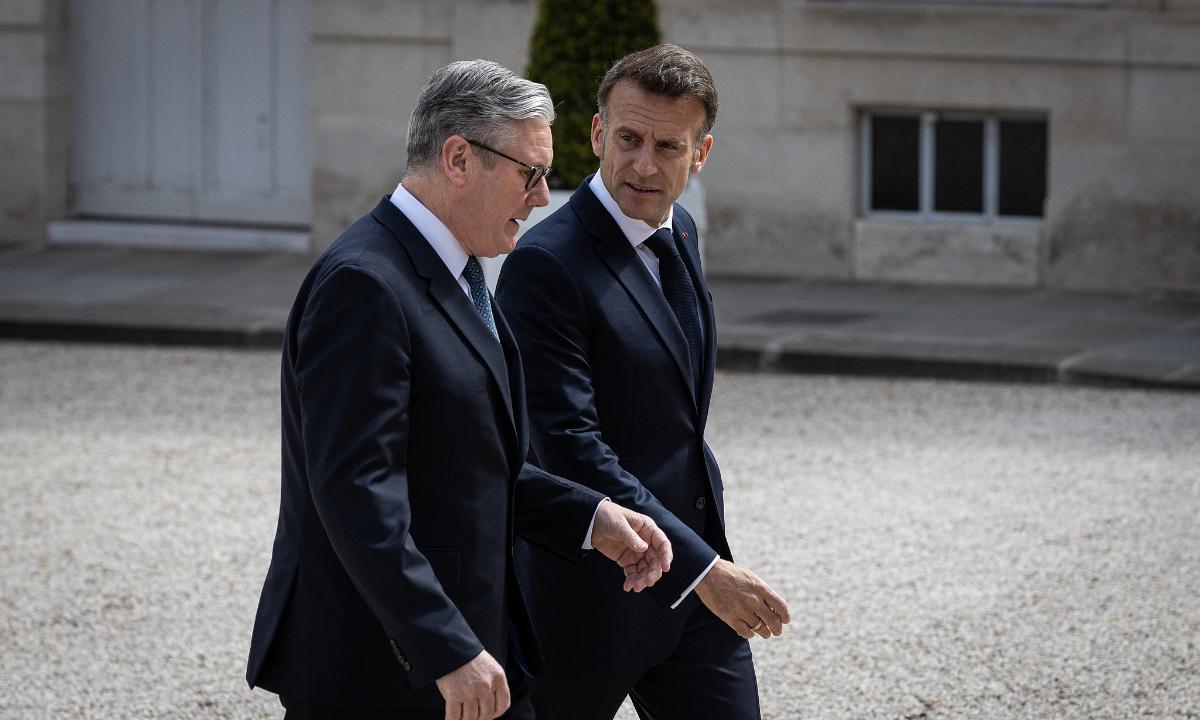
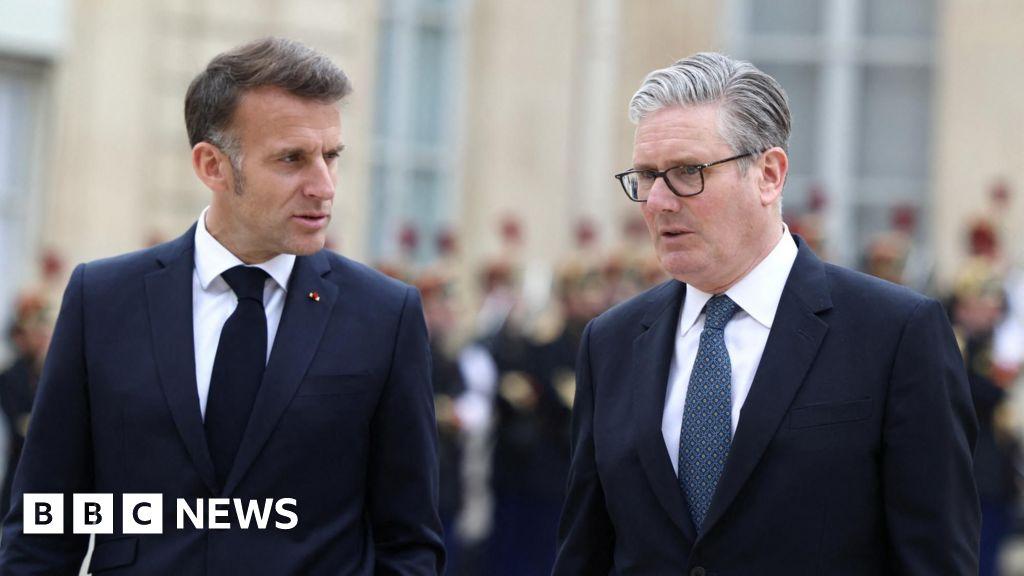
“France's President Emmanuel Macron welcomes Keir Starmer, the British Prime Minister, before the meeting on the Initiative for Maritime Navigation in the Strait of Hormuz at the Elysee Presidential Palace in Paris, France, on April 17, 2026”
British Prime Minister Keir Starmer said more than a dozen countries were ready to contribute assets to a defensive mission aimed at restoring freedom of navigation, telling reporters, “We will take this forward with a military plan conference in London next week where we will announce more detail on the composition of the mission, and over a dozen countries have already offered to contribute assets.”
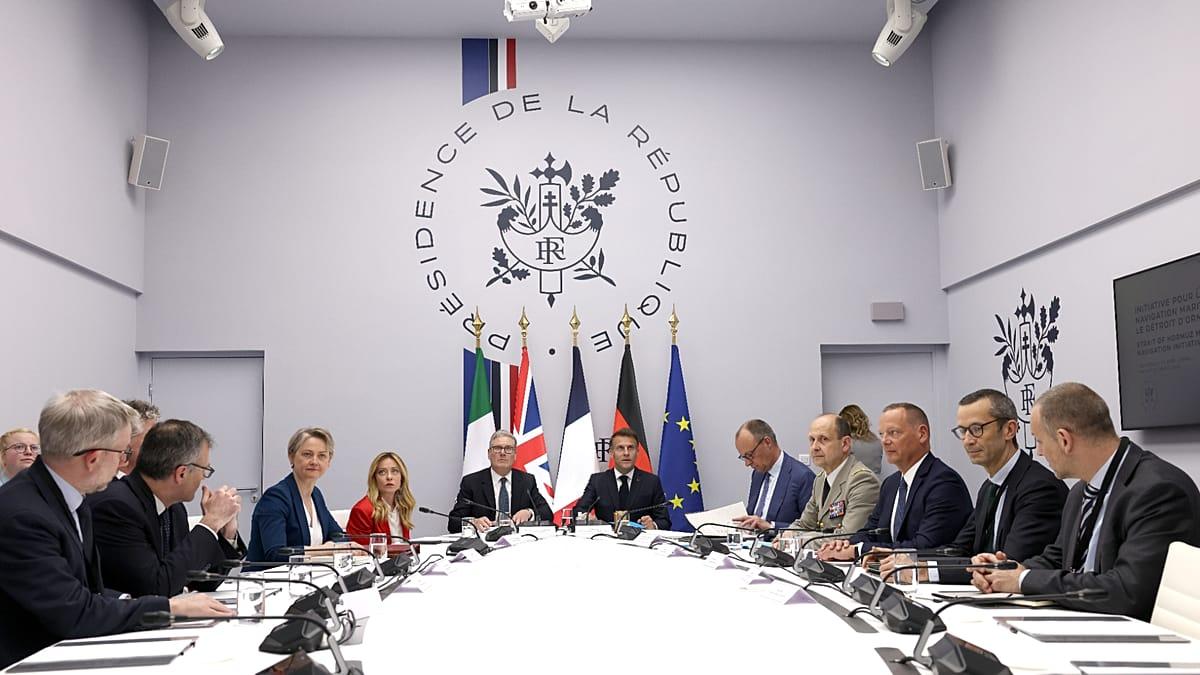
The meeting was chaired by France and Britain and brought together “49 countries” in Paris, according to Reuters reporting carried by Al-Monitor, while the BBC described a meeting of “51 countries.”
The UK and France said the mission would be “strictly peaceful and defensive,” with Starmer adding it would reassure commercial shipping and “support mine clearance.”
In a joint statement published by GOV.UK, the two governments said they convened 51 countries and underlined “the determination of the international community to support freedom of navigation” and to protect “global economic stability and energy security.”
The BBC reported that Starmer confirmed “more details of the mission will be announced next week, following a military planning conference in London.”
What Europe says it will do
Across multiple reports, European governments framed the mission as defensive, conditional, and focused on mine clearance rather than escorting ships through active combat.
Starmer told reporters, “This will be strictly peaceful and defensive, as a mission to reassure commercial shipping and support mine clearance,” and said the plan would be put in place “as soon as conditions allow.”

The BBC likewise quoted Starmer saying the work would be “strictly peaceful and defensive” and would only be put in place once fighting ends, while AP reported Macron and Starmer would keep planning an international mission and that it “will be deployed “as soon as conditions allow.”
In the UK-France joint statement on GOV.UK, the governments said they were establishing “an independent and strictly defensive multinational mission to protect merchant vessels, reassure commercial shipping operators, and conduct mine clearance operations as soon as conditions permit following a sustainable ceasefire agreement.”
The Hill described the mission as “strictly defensive” and said it would operate “in full accordance with international law and in consultation with relevant states,” quoting the joint statement.
AP added that military planners would meet in London next week, and it described the mission as separate from the belligerents, with Macron saying it would be “a neutral mission, entirely separate from the belligerents to escort and secure the merchant ships transiting the Gulf.”
Reuters reporting carried by Al-Monitor said Starmer would take the initiative forward with a “military plan conference in London next week,” where details on composition would be announced.
Europe’s leaders and their allies
The Paris meeting brought together European leaders and additional governments, with several outlets naming who attended and what each leader said about potential contributions.
“Macron and Starmer welcome Hormuz reopening and push for permanent navigation security Macron and Starmer welcome Hormuz reopening and push for permanent navigation security PARIS (AP) — The leaders of France and the U”
AP reported that Macron and Starmer were joined in person by German Chancellor Friedrich Merz and Italian Premier Giorgia Meloni, and that others—including “the prime ministers of Australia and Canada, the South Korean and Ukrainian presidents and representatives of China and India”—joined by video.
Reuters reporting carried by Al-Monitor said Starmer spoke “alongside the leaders of France, Germany and Italy,” and it described France and Britain chairing a meeting in Paris of “49 countries.”
The BBC said the UK and France would lead the mission and quoted German Chancellor Friedrich Merz saying Germany “stands ready to play its part in ensuring freedom of navigation,” while also saying it would be “desirable” for the US to be involved.
AP added that Merz said Germany could contribute “mine clearance and maritime intelligence capabilities,” but would need “parliamentary support and a ″secure legal basis″ such as a U.N. Security Council resolution.”
AP also reported that Meloni said she had expressed Italy’s “willingness to make its naval units available,” while Starmer said Britain had discussed using mine-hunting drones deployed from the ship RFA Lyme Bay.
Trump and NATO clash
The European initiative immediately collided with Donald Trump’s public criticism of NATO and his insistence that the US blockade would remain in force.
AP reported that as the Paris meeting was underway, Trump and Iran’s foreign minister declared the strait open to commercial vessels, and it said oil prices plunged after Abbas Araghchi posted on X that passage would remain “completely open” for the duration of a 10-day ceasefire in Lebanon.
AP also quoted Trump’s all-caps post saying the U.S. Navy’s blockade of Iranian ships and ports would remain in force “UNTIL SUCH TIME AS OUR TRANSACTION WITH IRAN IS 100% COMPLETE.”
The BBC described Trump’s response as criticizing Nato and calling it “useless when needed,” and it reported that Trump said he received a call from Nato offering help but wrote on Truth Social that he “TOLD THEM TO STAY AWAY, UNLESS THEY JUST WANT TO LOAD UP THEIR SHIPS WITH OIL.”
The Independent similarly reported Trump’s rant and included the Truth Social text, stating: “I TOLD THEM TO STAY AWAY, UNLESS THEY JUST WANT TO LOAD UP THEIR SHIPS WITH OIL. They were useless when needed, a Paper Tiger! President DJT.”
GB News also repeated Trump’s Truth Social language, including “They were useless when needed, a Paper Tiger!” and “I TOLD THEM TO STAY AWAY, UNLESS THEY JUST WANT TO LOAD UP THEIR SHIPS WITH OIL.”
Even as Iran promised reopening for the ceasefire duration, the European leaders’ message was that freedom of navigation must be permanently restored, with AP saying Macron and Starmer said it must be “permanently restored” to the key oil route choked by the war.
What’s at stake next
European governments tied their summit to the need for a “full, unconditional reopening” and to preventing disruption from repeating, while the US position and Iran’s conditions kept the situation unstable.
“France and Britain said Friday they will lead a multinational mission to ensure freedom of navigation in the Strait of Hormuz, while emphasising the force would be entirely defensive and only deployed once lasting peace in the region was agreed”
AP reported that Macron said “we all demand the full, immediate and unconditional reopening of the Strait of Hormuz by all parties,” and it described the Paris meeting as part of attempts by sidelined nations to ease the impact of a conflict they didn’t start and haven’t joined.
The GOV.UK statement likewise called for “the unconditional, unrestricted, and immediate re-opening of the Strait of Hormuz,” and it said the right of transit passage “without restrictions or tolls is the bedrock of international trade.”
The BBC reported that Tehran promised the Strait of Hormuz would be “completely open” to commercial vessels until the middle of next week, when a temporary ceasefire between the US and Iran would end, and it said Trump’s naval blockade would remain in force.
Fox News Digital and GB News both emphasized that the European plan was separate from the warring parties and would deploy only after fighting ends, but Fox News Digital also quoted a critic who argued the European proposal risked being “largely symbolic,” with Henry Jackson Society analyst Barak Seener saying, “Britain and France are playing at being relevant as so-called ‘Middle Powers’ in international affairs.”
AP described a similar debate through a think tank voice, quoting Royal United Services Institute research fellow Sidharth Kaushal saying mine-clearing and warning systems were more likely roles than warships escorting tankers, and he said, “You need huge numbers of vessels for that sort of thing, which nobody has.”
Meanwhile, the stakes were framed in economic terms: AP said petroleum prices soared after the war started on Feb. 28, when Iran effectively shut the narrow strait through which “a fifth of the world’s oil usually passes,” and it said the Paris meeting aimed to restore maritime security to the key oil route.
More on Europe
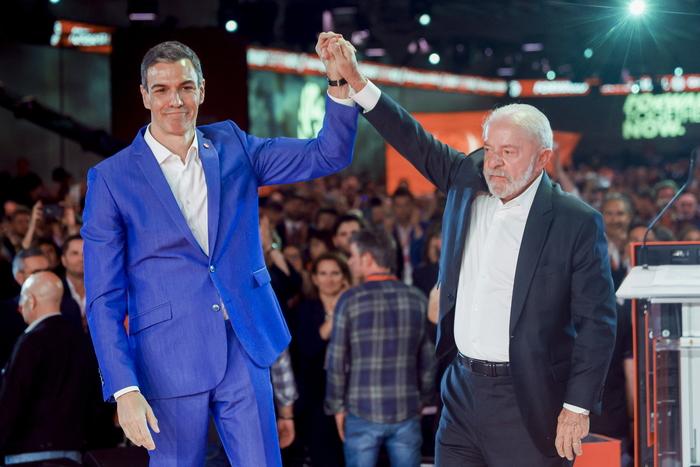
Pedro Sánchez, Lula, and Lars Klingbeil Rally Global Left in Barcelona Against Far-Right Populists
13 sources compared

Bulgarians Vote in Eighth Legislative Election in Five Years as Progressive Bulgaria Leads
24 sources compared
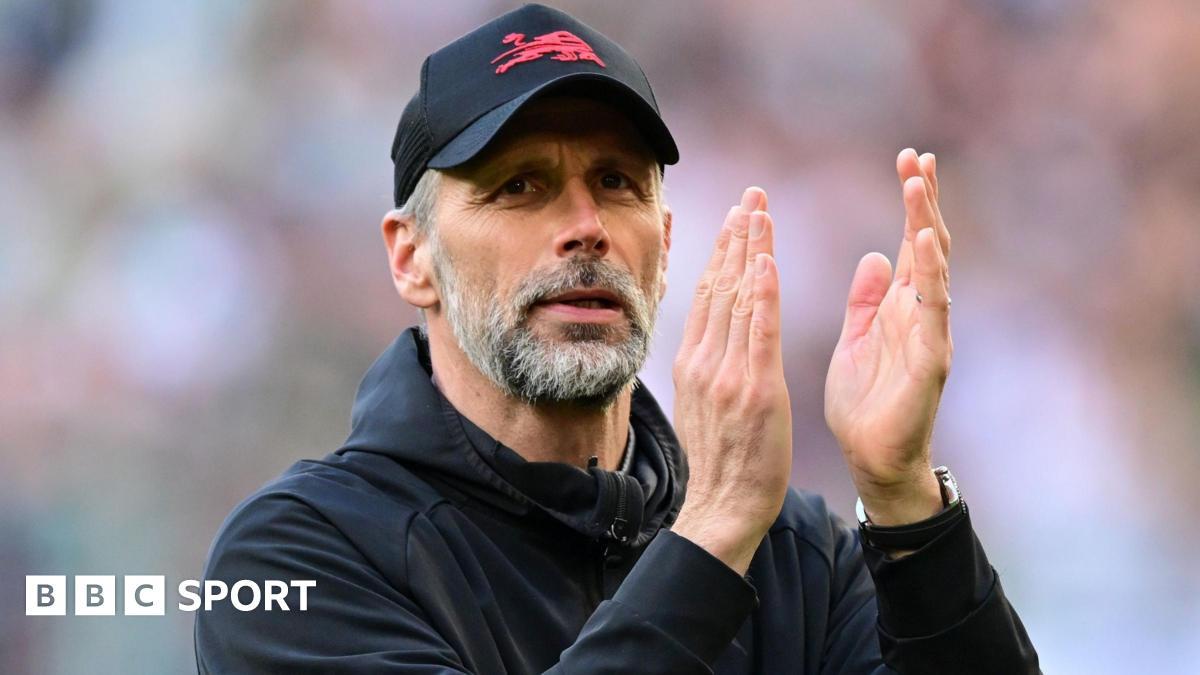
Bournemouth Reach Agreement To Appoint Marco Rose As Andoni Iraola Successor
13 sources compared

Macron And Starmer Convene European Allies In Paris To Plan Strait Of Hormuz Maritime Force
14 sources compared