Britain05 February, 20263 min read
Keir Starmer Apologises to Jeffrey Epstein Victims for Appointing Peter Mandelson as US Ambassador
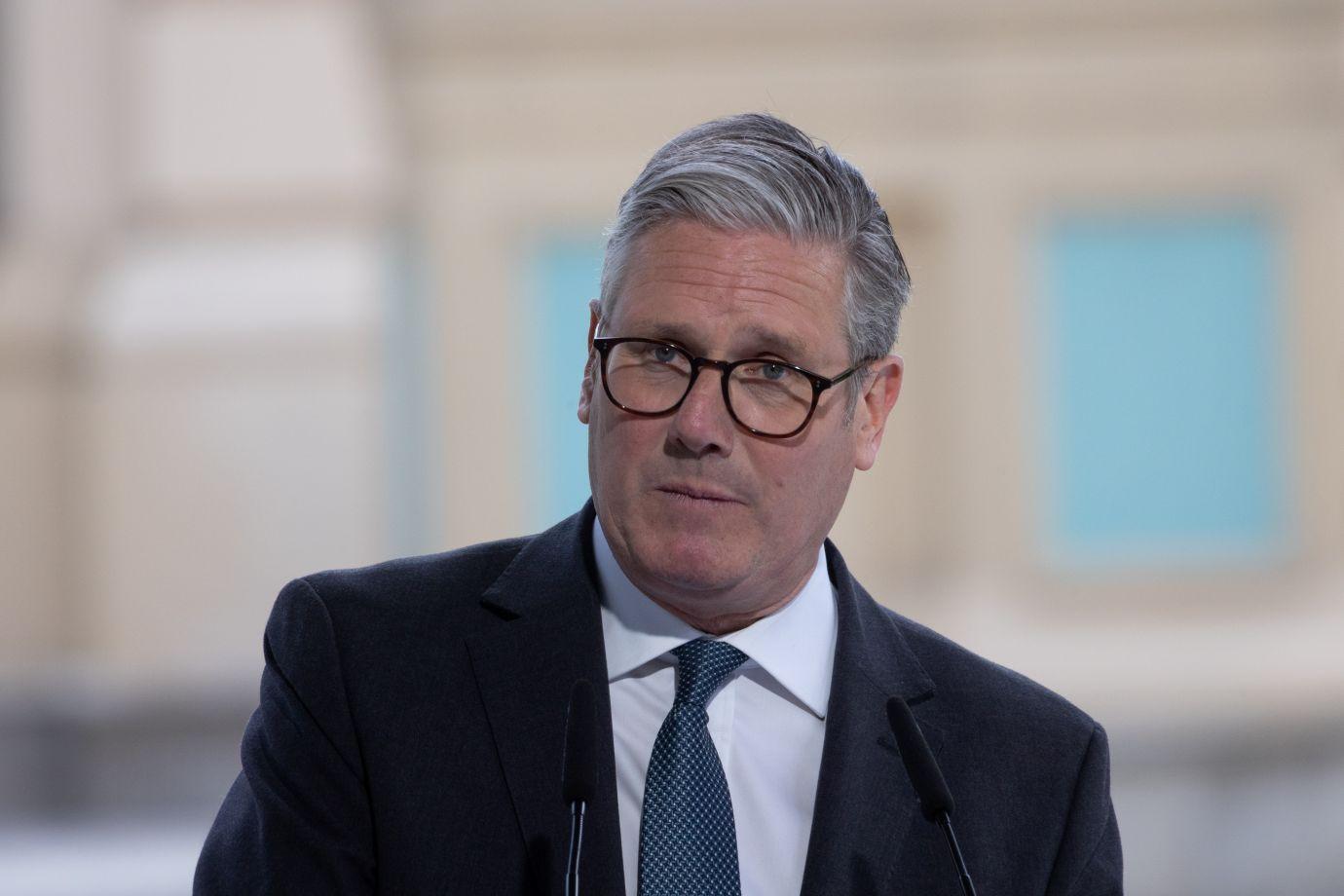
Keir Starmer apologised to Jeffrey Epstein's victims for appointing Peter Mandelson as US ambassador Starmer said Mandelson lied about the depth of his relationship with Jeffrey Epstein
39 outlets told this the same way.
Outlets did split on UK Police Charge Teddy Young With Spying For Foreign Power, Royal Navy Member →
Starmer apology over Mandelson
UK Prime Minister Sir Keir Starmer publicly apologised to victims of convicted sex offender Jeffrey Epstein after the appointment of Lord Peter Mandelson as Britain’s ambassador to the US prompted an uproar, saying he was sorry for having believed Mandelson’s 'lies' about the nature of his friendship with Epstein and accepting responsibility for relying on assurances that proved misleading.
“Starmer made the apology Thursday as he faces pressure from opposition parties and MPs in his own party over the December 2024 appointment; Mandelson’s connection to the late sex offender was already known at the time.”
Several outlets report Starmer made his apology while facing cross-party and internal Labour pressure over the December 2024 appointment, and some versions note the appointment was later rescinded and Mandelson resigned from the Lords amid the scandal.

Starmer said: 'None of us knew the depths and the darkness of that relationship... I want to say this to the victims: I am sorry.'
Justice Department files on Mandelson
Newly released US Justice Department files are being reported across multiple outlets as central to a controversy over Lord Mandelson's links with Jeffrey Epstein. Several articles say the records suggest Mandelson's friendship with Epstein was closer than previously understood. They also report that the files contain emails and entries that point to leaked market-sensitive documents and alleged payments.
The Nightly and The Straits Times cite examples including a 2009 memo on possible UK asset sales and a 2010 advance warning about an EU bailout plan worth €500 billion. India Today says the files show Mandelson passed market-sensitive information of clear financial interest to Epstein after the 2008 financial crisis. Some reports also note that the files record alleged payments to Mandelson or his then-partner.

Westminster political fallout
The political fallout within Westminster has been substantial, with opposition parties and a number of Labour backbenchers publicly criticising Starmer's judgement; some are calling for senior officials to go and opposition leaders are moving to exploit the scandal. The Independent and The Guardian report growing unrest inside Labour, including calls to sack Starmer's chief of staff, Morgan McSweeney, and demands for vetting papers to be released.
“He sought to shift some responsibility onto the vetting process as he faced mounting internal criticism and calls to sack his chief of staff, Morgan McSweeney, who is accused of promoting Mandelson’s return.”
The Telegraph and GB News describe senior Conservatives and some commentators as saying the apology is insufficient and that Starmer's position is at risk. Several items also link the controversy to short-term market moves, noting a brief rise in government borrowing costs.
Mandelson resignation and probe
Several outlets report that Peter Mandelson resigned from the House of Lords and is under police investigation. Mandelson says he does not recall receiving payments and has not addressed the leak allegations. The Straits Times and The Nightly both record his denial about recalling payments.
The Sun and The Mirror emphasize photographic and earlier evidence that has prompted public scepticism and a harsher framing of his conduct. HuffPost provides background on why Mandelson, a politically experienced figure with past resignations over money and ethics, was chosen for the role in the first place.
Media coverage and fallout
International coverage varies in focus. Some outlets emphasize the human and victim-facing aspect of Starmer's apology. Others stress institutional failures in vetting or the national security implications of alleged document sharing.
“Starmer made the apology Thursday ... he was sorry for having believed Mandelson’s ‘lies’ about the nature of his friendship with Epstein.”
Several point to political ramifications, including market reactions and leadership vulnerability. For example, Women's Agenda and The Mirror foreground the apology to victims. The Nightly, The Straits Times and India Today emphasize US Justice Department records and the alleged leaked papers.
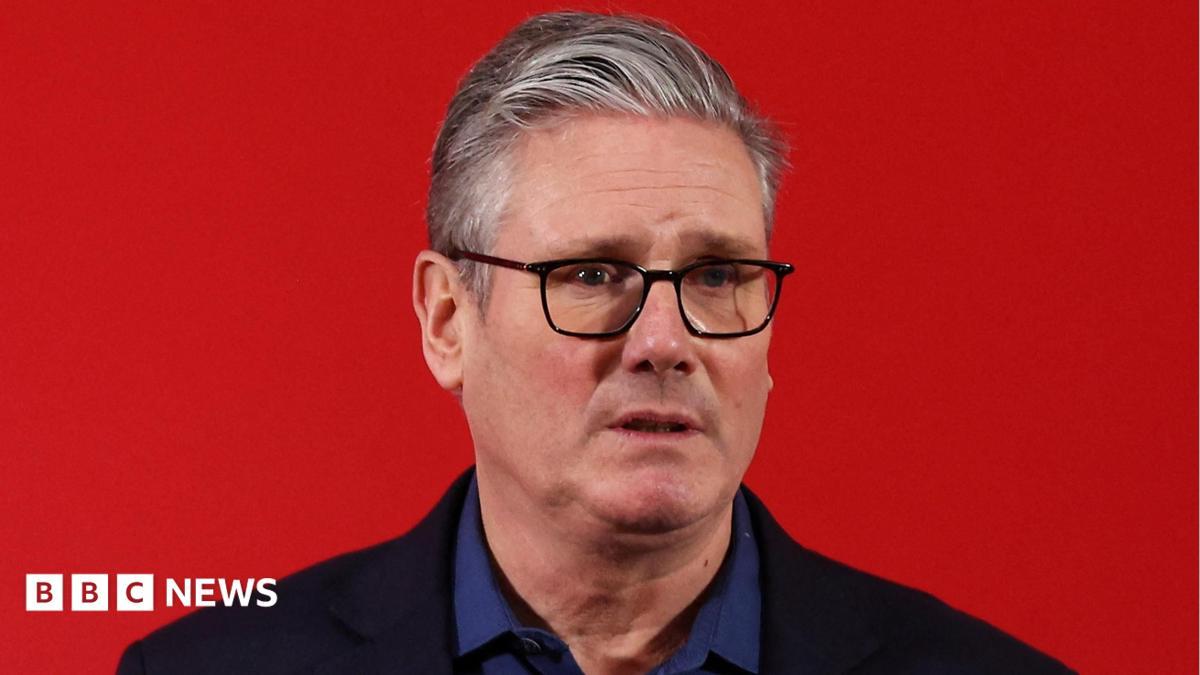
GB News and The Guardian highlight parliamentary processes and whether Downing Street staff retain confidence. The cumulative picture combines contrition, documentary allegations, and a growing political crisis whose ultimate consequences remain uncertain.