China29 January, 20263 min read
Keir Starmer Secures 30-Day Visa-Free Travel For Britons During State Visit To China
This article is an automated aggregation of coverage from news outlets. Our editorials offer in-depth analysis curated by the NewsCord team.
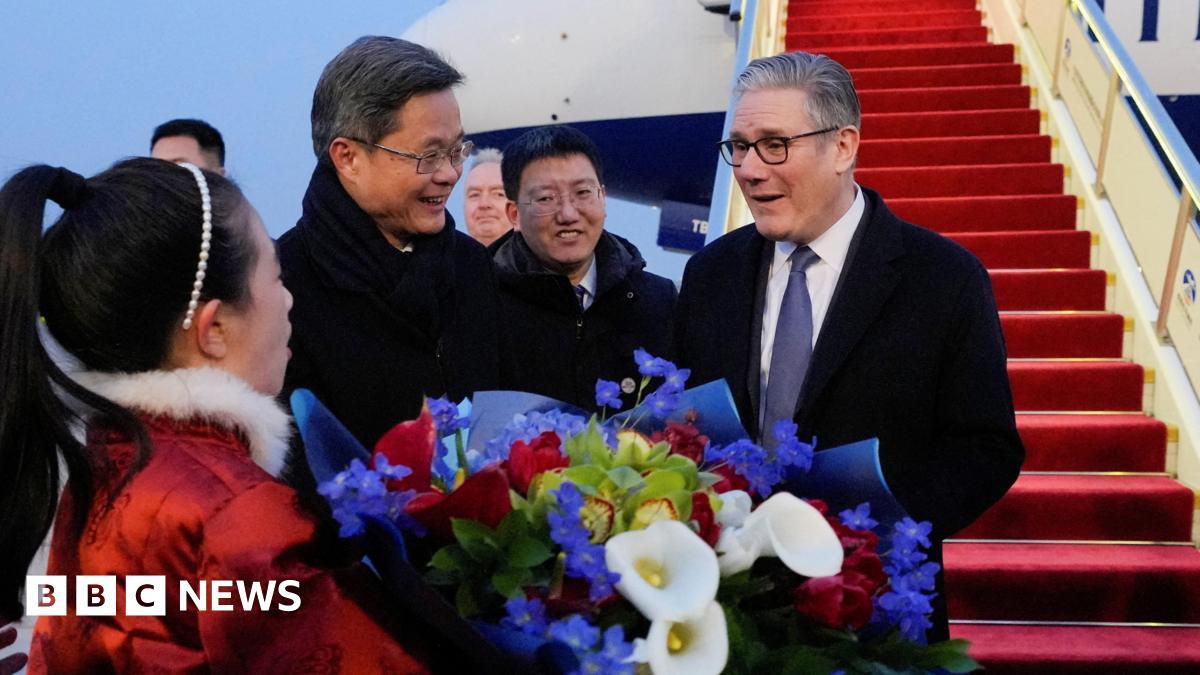
First UK prime ministerial visit to China since 2018 Starmer met Xi Jinping to pursue a 'more sophisticated' partnership boosting trade and security
35 outlets told this the same way.
Visa-free travel talks
During Prime Minister Keir Starmer's recent visit to Beijing, he held an extended summit with President Xi Jinping. Multiple outlets report that visa-free travel for British visitors was discussed, but none of the provided sources unequivocally state that a definitive 30-day visa-free waiver was formally agreed and implemented. Several major outlets described talks or a prospect of visa-free travel: CNN reported "talks on visa-free travel," the BBC noted the "prospect of visa-free travel for British visitors," and France 24 quoted Xi saying China would "consider waiving visas for British nationals."
“Xi said China would consider waiving visas for British nationals.”
Other reports emphasized the meeting's upbeat tone and wider agenda, including trade, security and climate, while stopping short of confirming a concluded visa-waiver deal. Given the language used across sources — talks, prospect, consider — the available reporting supports that visa-free travel was on the table but does not support the claim that Starmer secured an implemented 30-day visa-free arrangement during the visit.

Economic and security visit
The visit was explicitly framed around economic and security objectives. Starmer led a large business and cultural delegation. Multiple sources reported concrete trade items under discussion, notably progress on reducing Chinese tariffs on Scotch whisky and cooperation to disrupt migrant-smuggling supply chains.
CNN, France 24 and The Business Standard noted the delegation included major UK companies and flagged reported progress on whisky tariff reductions and possible intelligence-sharing to target gang supply chains. Outlets also reported agreements or discussions on steps to reduce the use of Chinese-made boat engines used in Channel crossings and on deeper law-enforcement cooperation. These measures were presented as part of broader efforts to balance economic opportunity with national security concerns.
Visa waiver reporting ambiguity
On the specific question of a 30-day visa-free arrangement, the reporting is ambiguous and no supplied source explicitly mentions a 30-day term or confirms that a visa-free regime was signed into effect during the visit. Multiple outlets describe either "talks" or that China would "consider" waivers - language that denotes intent or discussion rather than a finalized bilateral implementation.
“Xi said China would consider waiving visas for British nationals.”
France 24's wording that Xi would "consider waiving visas," CNN's phrasing about "talks on visa-free travel," and the BBC's reference to a "prospect" together support that the topic was on the table. None of the provided snippets state "30 days" or say a visa-free policy was officially enacted on arrival.
Domestic reaction and security
The visit also attracted domestic political controversy and security warnings that shape how the visa question is being received at home. Conservative critics and security-minded commentators urged caution, with The Sun and other UK outlets reporting senior Conservatives saying now was the wrong time to engage amid fresh hacking claims and concerns about a proposed large Chinese embassy in London. Several mainstream outlets highlighted that UK security services have accused China of espionage, a charge Beijing denies.
They also noted that human-rights cases such as Jimmy Lai’s remain sensitive, and Starmer said he would raise such cases while some critics argued he should have made them preconditions for talks. These developments underscore a domestic split over engagement versus confrontation.
UK–China visa talks
The supplied reporting establishes that UK–China talks included visa‑free travel as a discussed item and that Chinese officials publicly expressed willingness to consider waiving visas. However, none of the provided sources state that Keir Starmer secured a specific, implemented 30‑day visa‑free arrangement during the visit. Coverage varies by source type, with West Asian and many Western mainstream outlets emphasising pragmatic engagement and reporting progress on tariff and security cooperation (for example, Al Jazeera, CNN, France 24).
“Starmer called the summit 'very good, constructive' and said relations were in a 'good place.'”
By contrast, domestic UK outlets and security‑focused pieces underline espionage risks and political backlash (for example, The Guardian, The Sun, DW). The result is consistent uncertainty in the reporting: the topic was clearly on the agenda and described as promising by some participants, but it lacks the explicit, corroborated language required to verify that a 30‑day visa‑free policy was agreed and enacted.