Britain31 January, 20262 min read
Keir Starmer Urges Andrew Mountbatten-Windsor to Testify Before US Congress Over Jeffrey Epstein Ties
This article is an automated aggregation of coverage from news outlets. Our editorials offer in-depth analysis curated by the NewsCord team.
Prime Minister Keir Starmer called for Andrew Mountbatten-Windsor to testify before the US Congress US Justice Department released tranche of Epstein files containing images and emails featuring Andrew

9 outlets told this the same way.
Call for Andrew's testimony
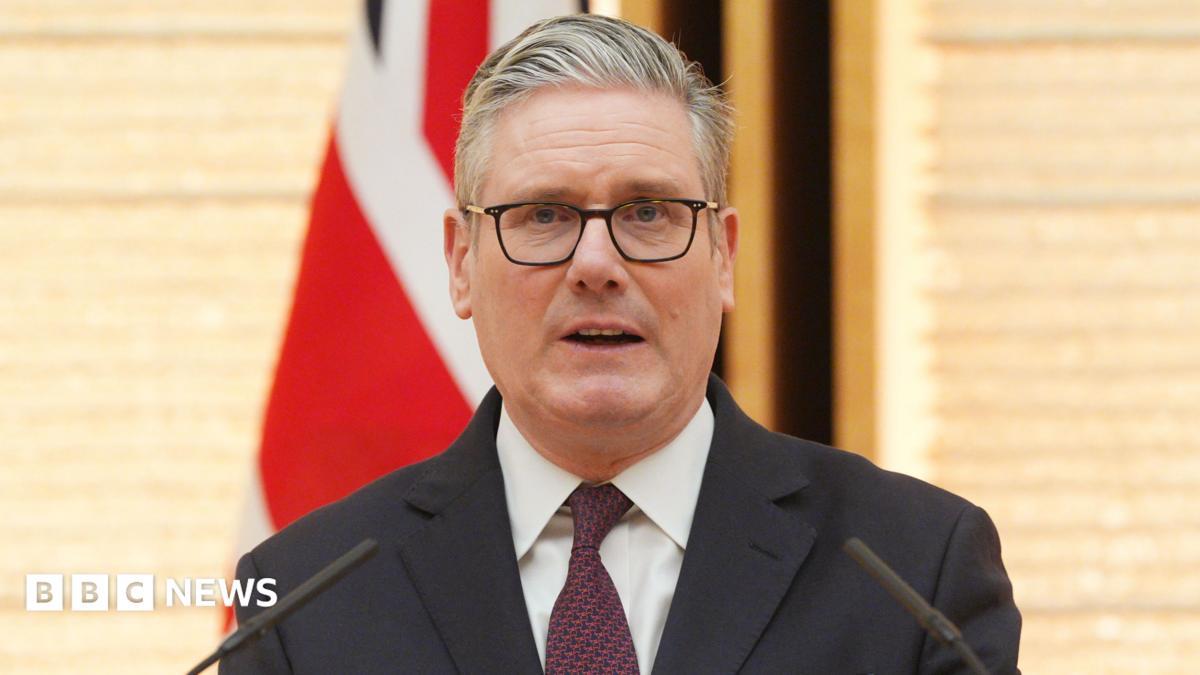
British Prime Minister Sir Keir Starmer has called for former Prince Andrew—now using the name Andrew Mountbatten-Windsor—to testify before a United States congressional committee.
“British Prime Minister Keir Starmer said yesterday that the former Prince Andrew should testify before a US congressional committee after new US Justice Department files about Jeffrey Epstein were released.”
He made the call after a tranche of U.S. Department of Justice files related to financier Jeffrey Epstein was released.
The newly published documents reportedly contained emails, photos and other material suggesting ongoing contact between Andrew and Epstein after Epstein’s 2008 conviction.
Several outlets report Starmer publicly urged the former royal to 'tell US lawmakers everything he knows' and said Epstein’s victims should be the priority.
DOJ files: Andrew and Epstein
The released DOJ material — described by several outlets as numbering in the millions of pages — reportedly contains emails, photos and other files that raise fresh questions about Mountbatten‑Windsor’s post‑2008 interactions with Epstein. Reports cite messages discussing a 'beautiful' Russian woman and an offer from Epstein to bring three women to Buckingham Palace.
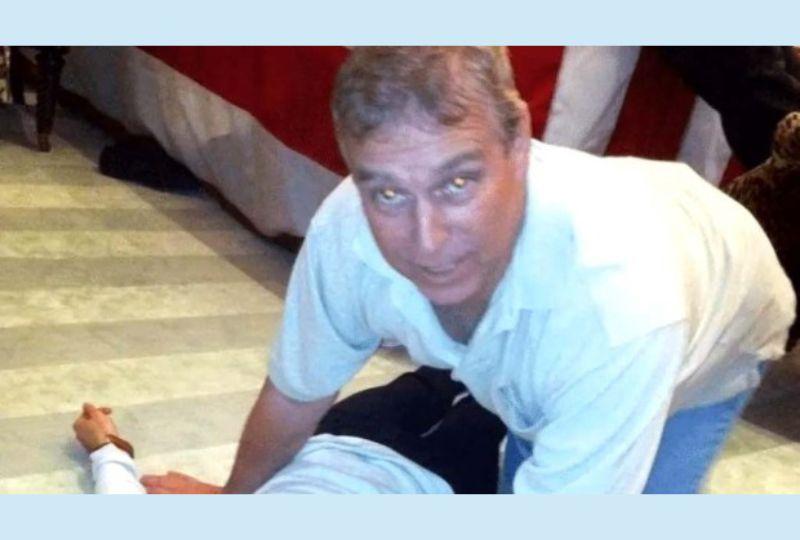
They also mention an itemised photo bundle with images showing Andrew kneeling by and touching a woman, although the context and captions for those photographs are reported as unknown. The Guardian’s reporting adds more specifics about social ties, saying a publicist organised a star‑studded dinner at Epstein’s home and that Andrew sent intimate family photos to Epstein.
Andrew and Epstein fallout
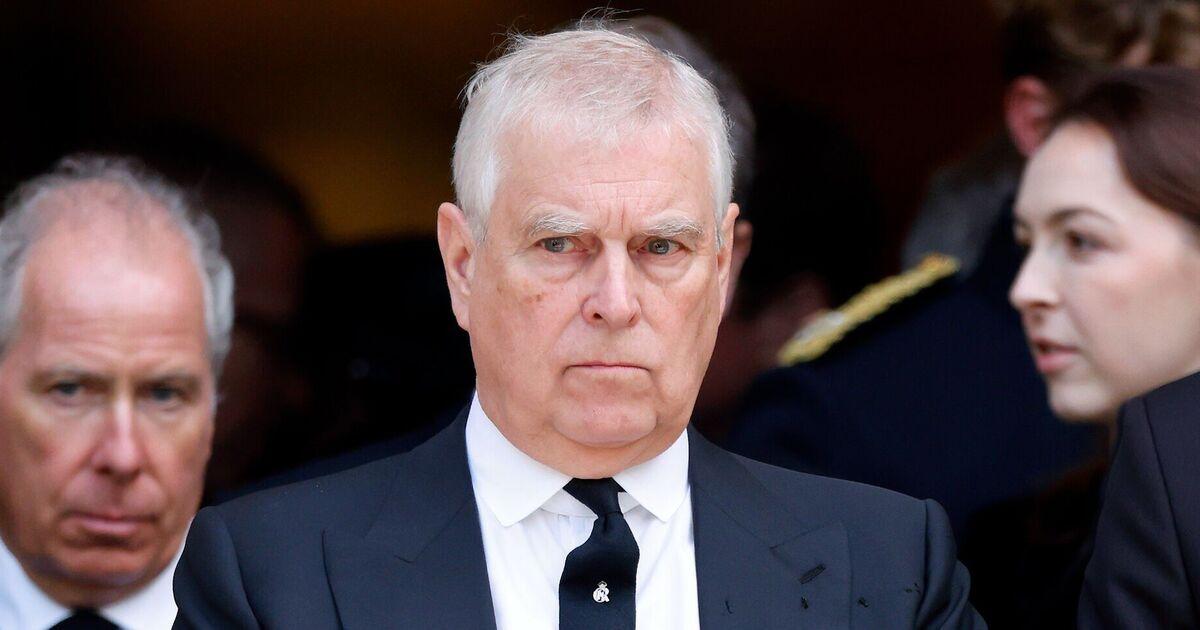
The fallout continues to underscore Andrew's prior public statements and the royal consequences he has faced. Reports say the king removed Andrew's title in November and evicted him from a Windsor Castle residence amid earlier Epstein-related revelations. Andrew has repeatedly denied wrongdoing and said he cut ties with Epstein after 2008, except for a 2010 meeting.
“The revelations follow the king’s November decision to strip his brother of the title of prince and evict him from a Windsor Castle residence amid earlier disclosures about the Andrew–Epstein link.”
Coverage notes that in 2022 Andrew paid a reported settlement to Virginia Giuffre, about £12m according to The Guardian, while emphasising he did not admit liability. Epstein's death in jail in 2019 and Ghislaine Maxwell's conviction and sentence are also cited for context.
Payments and political fallout
Released materials also mention other high‑profile figures and payments, causing wider political fallout. Several reports identify payments from Epstein to Sarah Ferguson and a £10,000 transfer linked to Reinaldo Avila da Silva, husband of Lord Peter Mandelson. In some coverage the transfer prompted calls for Mandelson’s removal as UK ambassador to the US.
Tabloid coverage emphasizes alleged payments and images and highlights reputational harm to families. Mainstream outlets place these payments in the broader legal record and note Maxwell’s conviction and Epstein’s 2019 death as context.
Media coverage of releases
As files are published and public scrutiny grows, several outlets note that Epstein died in 2019 while awaiting trial and that Maxwell has been convicted, framing the releases as part of an ongoing legal and investigative arc. Commentators and politicians, most prominently Sir Keir, emphasize supporting Epstein's victims and urge anyone with relevant information to come forward, including to US congressional investigators if requested. Coverage varies in depth and tone across outlets, with some noting they are working from partial or excerpted material and that more details may emerge as the files are reviewed.
“Epstein died in custody in 2019; Maxwell is serving a 20‑year US sentence for child‑sex trafficking.”