Keir Starmer's Government Unveils Biggest-Ever Clampdown to Halve Violence Against Women and Girls

Keir Starmer's Government Unveils Biggest-Ever Clampdown to Halve Violence Against Women and Girls

18 December, 202513 sources compared
Britain

Key Points from 13 News Sources

  1. 1

    Government pledges to reduce violence against women and girls by 50% within ten years

  2. 2

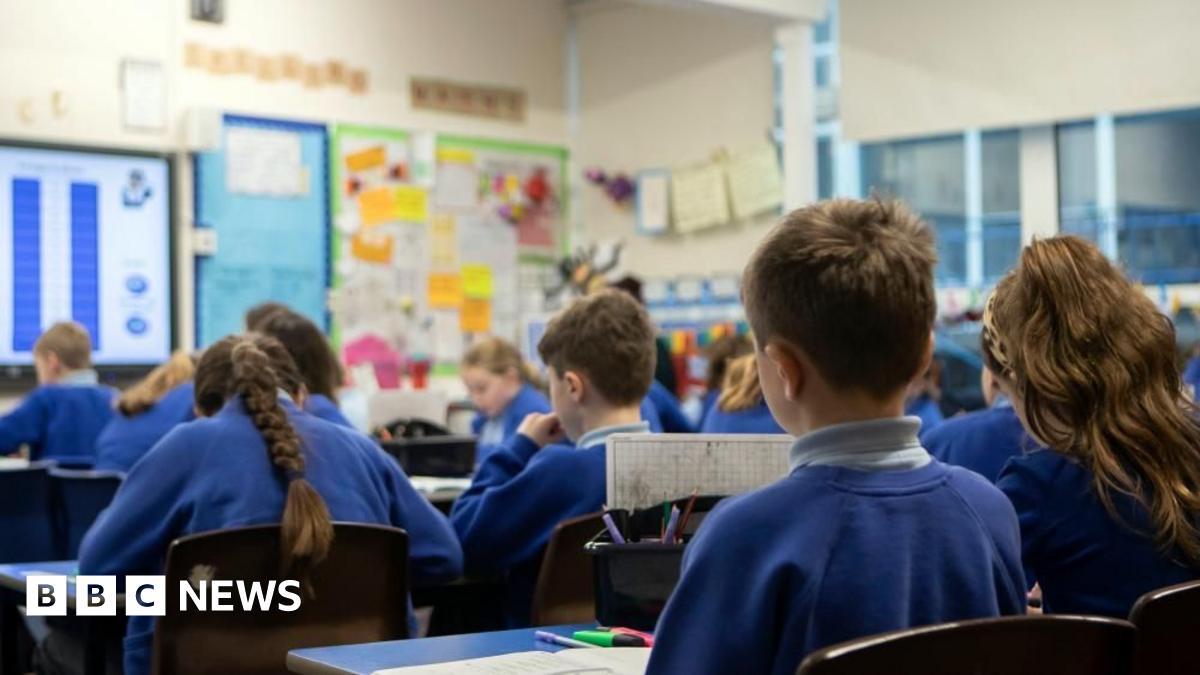
    Teachers to receive funding and training to spot and tackle misogyny in classrooms
  3. 3

    All secondary schools to teach healthy relationships and consent; high-risk boys offered behavioural courses

Full Analysis Summary

VAWG national strategy

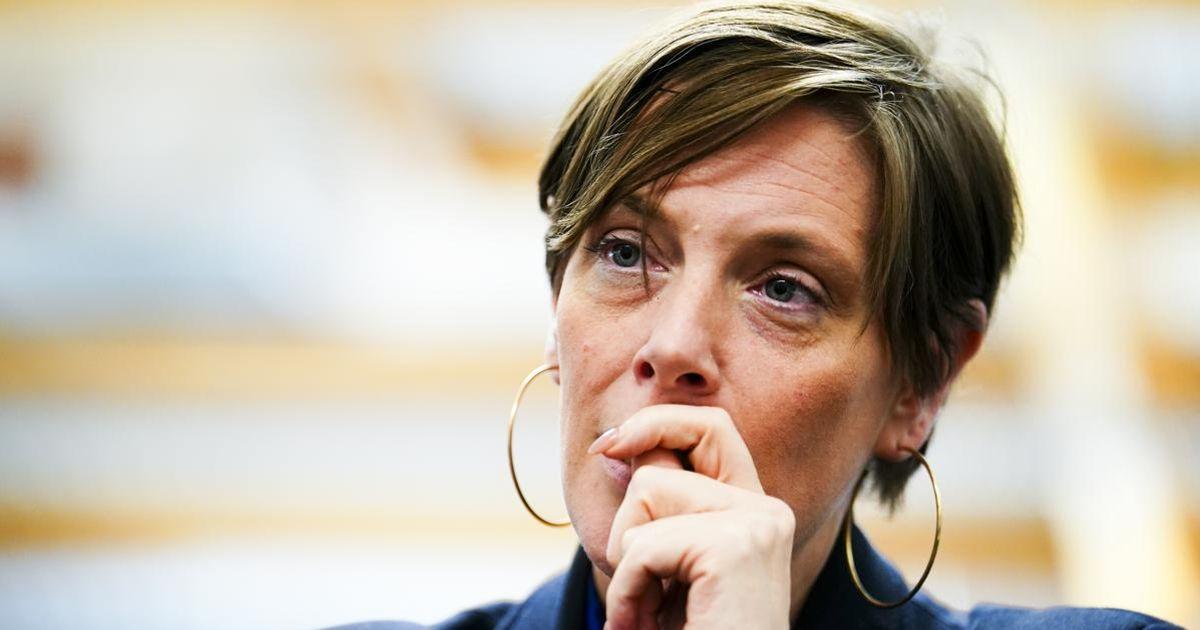
Keir Starmer’s government has unveiled a long‑planned national strategy led by safeguarding minister Jess Phillips that aims to halve violence against women and girls within ten years and is framed as the biggest clampdown on such crimes in UK history.

The initiative follows warnings from police chiefs and official statistics.

Campaigners and reports flagged more than one million VAWG incidents recorded in 2022/23, and officials describe the issue as a 'national emergency'.

The government presents the plan as a whole-of-society effort with high-level political backing and a target timeline to measure progress.
Coverage Differences

Tone and emphasis

The Mirror (Western Tabloid) and Big Issue (Other) frame the plan in emphatic, historic terms — calling it the “biggest clampdown” or “largest crackdown” in UK history — while SSBCrack News (Other) foregrounds the statistical urgency, noting police chiefs labelled VAWG a “national emergency” after more than one million incidents were recorded; Sky News (Western Mainstream) provides a more neutral factual summary of the ten‑year target. Each source therefore stresses a different angle: dramatic scale (The Mirror, Big Issue), statistical urgency (SSBCrack News), and straightforward description of aims (Sky News).

Framing of leadership and timeline

SSBCrack News (Other) and Sky News (Western Mainstream) explicitly name safeguarding minister Jess Phillips and the ten‑year target, whereas some outlets (e.g., The Mirror) emphasise the scale and political rhetoric such as funding and culture change without the same level of bureaucratic detail. This leads to variation in how leadership and timeline are foregrounded across sources.

Prevention and justice measures

The strategy bundles prevention, education and criminal justice reforms.

Compulsory healthy relationships education will be introduced in English schools.

Teachers will receive training to spot early signs of misogyny.

Behaviour-change interventions will be offered to young people who show worrying conduct.

A helpline will be available for teenagers concerned about their own behaviour.

Each police force will have specialist rape and sexual offences investigators.

Funds will be provided for safe accommodation.

The government also pledged a mixture of targeted funds and broader victim support packages as part of the overall clampdown.

Coverage Differences

Specific policy emphasis and funding details

Different outlets highlight different policy strands and sums: The Mirror (Western Tabloid) emphasises a headline “£1 billion for victims” and specific measures such as a ban on harmful AI apps; Big Issue (Other) stresses compulsory education and a £20 million fund for safe accommodation; Daily Mail (Western Tabloid) lists pilots for behaviour‑change training from age 11 and details of the £20m education package and £19m for safe housing; HuffPost UK (Western Alternative) highlights specialist investigators and the £19m safe‑housing fund. These variations show some sources foreground large headline sums or specific programme amounts, while others focus on operational changes.

Early intervention for boys

A prominent strand is early intervention with boys and young men: schools will be asked to train teachers to spot early signs of misogyny and to challenge harmful attitudes, and pilots may see boys as young as 11 referred into anti‑misogyny or behaviour‑change programmes.

The government and Labour politicians framed this as protecting girls and "shielding boys" from harmful influences, while also promising support for teachers and families to promote healthier relationships.

Coverage Differences

Narrative about online influencers and scale of the problem

Coverage differs on the scale of the online‑influence problem: The London Economic (Western Alternative) ties the campaign to concerns about influencers like Andrew Tate and cites polling that “one in six boys aged 13–15 view Tate positively,” while Sky News (Western Mainstream) reports a contrasting claim that “more than 40% of young men hold a positive view of influencer Andrew Tate” and notes Tate dismissed concerns as “garbage.” Daily Mail (Western Tabloid) and The Mirror (Western Tabloid) foreground the early‑intervention and prevention messaging but with different emphases on pilots and school duties.

Prevention vs enforcement debate

Voices across coverage are split on prevention versus enforcement.

UN Women UK's executive director urges a shift to prevention, stressing education, culture change and action on online misogyny, while other outlets emphasize tougher criminal-justice measures, specialist investigators and stronger police and court powers.

Sources stress the human scale of the problem, noting routine daily rape reports, many unreported cases and the wide family impact, which explains why ministers argue for a combination of measures.

Coverage Differences

Policy focus and quoted experts vs. operational detail

Big Issue (Other) quotes Tabitha Morton of UN Women UK urging prevention and culture change rather than sole reliance on policing, while The Mirror (Western Tabloid) and Daily Mail (Western Tabloid) give stronger space to enforcement measures such as “stronger powers for police and courts” and specialist investigators; SSBCrack News (Other) and HuffPost UK (Western Alternative) emphasise the scale and human cost (daily reports, unreported cases) underpinning the policy push. The contrast shows sources differ in whether they prioritise prevention narratives (education/culture) or enforcement/practical supports (investigators, housing, police powers).

Inconsistent reporting on funding

Questions and ambiguities remain in reporting about scope, funding and measurement.

Different outlets highlight various funding lines and programme totals.

For example, the Mirror’s headline £1 billion figure contrasts with Big Issue’s £20 million accommodation fund and Daily Mail/HuffPost references to £19m housing and £20m education packages.

The government’s own page is presented incompletely in one snippet, indicating not all official detail was reproduced in the items shared here.

That variety in emphasis and occasional inconsistent statistics about influencer reach and polling means readers must note gaps and seek the full government publication for definitive implementation and measurement plans.
Coverage Differences

Omissions and inconsistent numeric emphasis

Reporting varies in which sums and details are foregrounded: The Mirror (Western Tabloid) highlights a headline “£1 billion for victims,” Big Issue (Other) details a “£20 million fund for safe accommodation,” Daily Mail (Western Tabloid) states a “£20m education package” and “£19m for safe housing,” while HuffPost UK (Western Alternative) repeats the specialist investigators and £19m safe‑housing figure; GOV.UK (Western Mainstream) is shown only partially in the provided snippet, creating an information gap. These discrepancies show how different outlets select different fiscal details and how absence of the full official text complicates direct comparison.

All 13 Sources Compared

BBC

Boys to be sent on courses to tackle misogyny in schools

Read Original

Big Issue

Teens to be taught about consent in bid to halve violence against women and girls

Read Original

Daily Mail

Boys as young as 11 could be sent for 'anti-misogyny' training if teachers detect 'toxic' views under plans to tackle violence against women and girls

Read Original

EasternEye

UK unveils £20 million plan to train teachers to tackle misogyny in classrooms

Read Original

evrimagaci.org

UK Launches Nationwide School Drive To Combat Misogyny

Read Original

GOV.UK

VAWG strategy to better protect children from misogyny and abuse

Read Original

HuffPost UK

Labour Minister Takes Aim At Andrew Tate As Government Unveils Anti-Misogyny Plan

Read Original

Kuwait Times

UK teachers to tackle misogyny in classroom

Read Original

MadeForMums

‘We must teach respect early’: New £11m plan to tackle misogyny in schools announced

Read Original

Sky News

Teachers to be trained to spot early signs of misogyny in boys

Read Original

SSBCrack News

Government Unveils New Strategy to Halve Violence Against Women and Girls in a Decade

Read Original

The London Economic

Teachers to be trained to spot misogyny from boys in the classroom

Read Original

The Mirror

Key points from UK's biggest clampdown on violence against women and girls in history

Read Original