
Kenya Grants Amnesty to Kenyans Who Illegally Joined Russia's War in Ukraine
Key Takeaways
- Kenyans who illegally joined Russia's war in Ukraine will receive amnesty on return.
- Moscow agreed to stop recruiting Kenyan nationals after Mudavadi-Lavrov discussions.
- Kenyan law prohibits enlistment into foreign armed forces without presidential approval.
Amnesty Announcement
Kenya has announced a landmark amnesty policy for citizens who illegally joined Russia's military operations in Ukraine.
“- Published Kenyans enlisted to fight for Russia in the war against Ukraine will be granted amnesty on their return home, the East African nation's foreign minister has said”
The decision reflects both the scale of the problem and the limits of domestic enforcement.
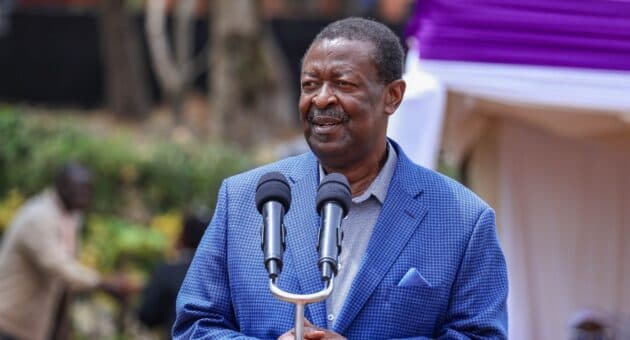
Prime Cabinet Secretary and Foreign Affairs Minister Musalia Mudavadi announced the shift from punitive measures to diplomatic mitigation.
Under Kenyan law, Section 68 of the Penal Code prohibits enlistment of citizens into foreign armed forces without presidential approval.
Violations are punishable with up to 10 years' imprisonment unless a court determines enlistment was not voluntary.
Enforcement has historically been uneven, with Kenyans having long joined foreign militaries with little consequence.
Diplomatic Agreements
The amnesty announcement follows intensive diplomatic efforts by Kenya.
Foreign Minister Mudavadi made an official visit to Moscow between March 15-18.
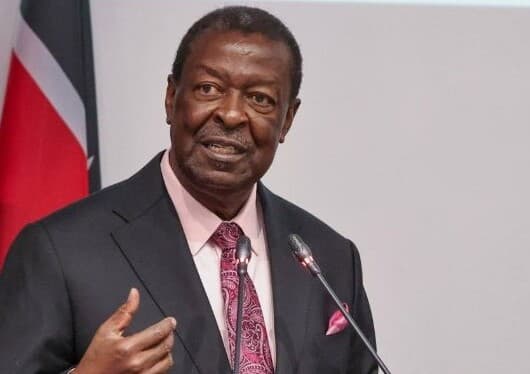
The issue dominated bilateral discussions with Russian Foreign Minister Sergey Lavrov.
Russia agreed to place Kenya on a 'stop list' to halt further recruitment.
Russia maintains its position that foreign fighters joined 'voluntarily under Russian law'.
The agreement allows unwilling Kenyan fighters to terminate contracts and return home.
Recruitment Scale
The scale of the recruitment operation represents a significant political and humanitarian challenge.
“This article contains adult content that may be inappropriate for minors”
Kenya's foreign ministry estimates 252 citizens have been illegally conscripted to fight.
The trend began approximately six months ago and involved recruits from other African countries.
Human rights concerns are acute regarding recruitment practices.
Some Kenyans were lured with promises of civilian jobs, then forced into combat.
Recruits often signed contracts in Russian without understanding the terms involved.
Current Status
Current status shows 44 safely repatriated, 11 missing/killed, 38 hospitalized, 160 still active.
The 38 hospitalized Kenyans face difficult circumstances due to limited access.
The amnesty program aims to create pathways for the 160 active fighters to disengage.
The agreement enables repatriation of injured citizens and recovery of the dead.
This represents a victory for Kenyan diplomacy.
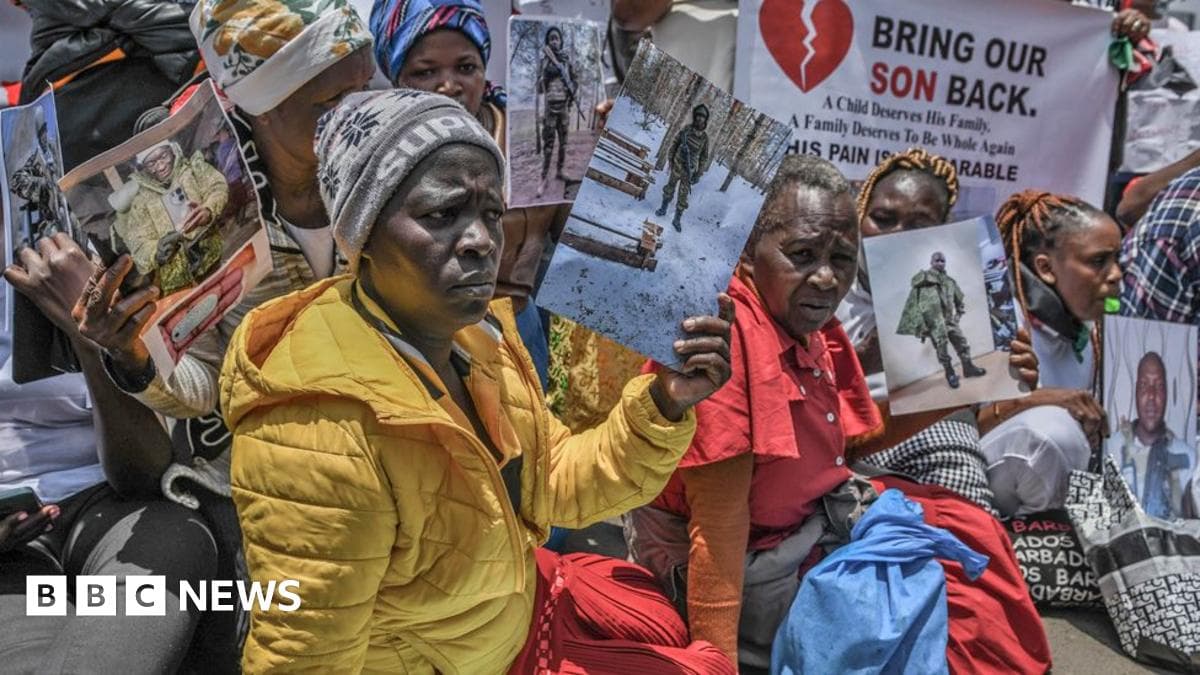
Families have been petitioning the state for urgent action on their loved ones.
Future Cooperation
Kenya and Russia committed to cooperate on efforts to 'thwart human trafficking, smuggling and illegal recruitment'.
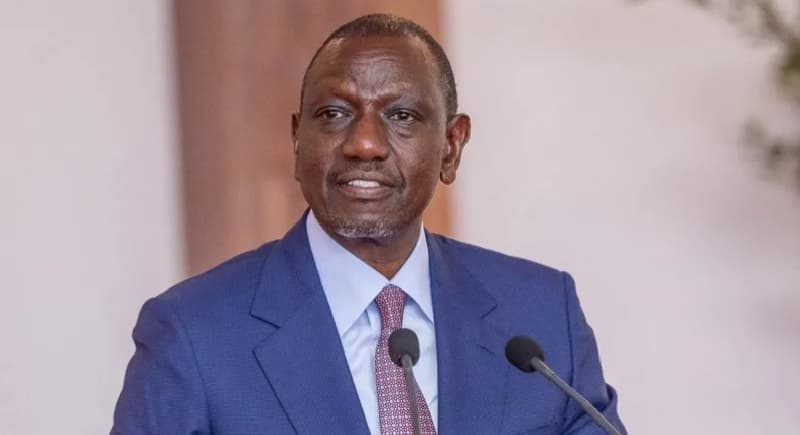
“Kenyan President, William Ruto ByEnyichukwu Enemanna Authorities have announced that Kenyans enlisted to fight for Russia in the war against Ukraine will be granted amnesty on their return to the East African country and will no more face punishment”
This bilateral cooperation aims to address root causes of the recruitment crisis.
The agreement comes amid growing public pressure from relatives of those who traveled to Russia.
Families have been calling for government action on the issue.
The long-term challenge remains addressing economic and social factors.
Young Kenyans remain vulnerable to recruitment schemes as conflicts evolve globally.
More on Ukraine War
Polish Court Approves Extradition of Russian Archaeologist Oleksandr Butyagin to Ukraine
10 sources compared
Russia Advises Iran on Drone Tactics to Hit US and Gulf Targets
11 sources compared

US Eases Russian Oil Sanctions Despite Allies' Warnings It Could Boost Kremlin War Chest
10 sources compared
Ukraine Strikes Bryansk Microelectronics Plant With Storm Shadow Missiles, Killing Six
13 sources compared