Khamenei Orders Harsh Crackdown On Nationwide Protests As Death Toll Climbs

Khamenei Orders Harsh Crackdown On Nationwide Protests As Death Toll Climbs

09 January, 202612 sources compared
Iran-Israel

Key Points from 12 News Sources

  1. 1

    Khamenei ordered security forces to crack down on nationwide protests, blaming foreign enemies.

  2. 2

    Demonstrators nationwide chanted for exiled Reza Pahlavi and called for regime change.
  3. 3

    Authorities cut internet access and blocked international phone lines during mass demonstrations.

Full Analysis Summary

Iran protests and crackdown

Supreme Leader Ayatollah Ali Khamenei ordered a harsh crackdown as nationwide protests that began on Dec. 28 over a collapsing rial and rising economic hardship spread across Iran.

Authorities severed communications and security forces moved to suppress dissent.

Reporting from multiple outlets describes mass anti-government demonstrations in Tehran and beyond.

Protesters chanted slogans ranging from 'Death to the dictator' and 'Death to the Islamic Republic' to, in some state reports, 'Death to America!'.

Authorities reportedly cut the internet, landlines and international calls and may have attempted to jam satellite signals as the unrest intensified.

Coverage Differences

Tone and focal point

NDTV (Asian) emphasizes the domestic, anti-regime tenor of protests — noting chants like “Death to the dictator” and calls for the shah — and highlights communications blackouts; Al Jazeera (West Asian) emphasizes state TV reports of anti‑US chants and Khamenei’s framing of unrest as foreign‑backed, while livemint (Other) foregrounds economic drivers and the rial’s plunge. These sources are reporting different emphases: NDTV and livemint describe protest slogans and economic causes respectively, while Al Jazeera reports the state’s narrative blaming foreign enemies. Each source is reporting claims rather than endorsing them: for instance, Al Jazeera reports Khamenei “blamed the unrest on ‘foreign enemies’ — chiefly the United States and President Donald Trump.”

Narrative ownership vs. reported claims

Al Jazeera reports the state narrative (Khamenei’s blame of foreign enemies) as a reported claim; NDTV reports both slogans and that authorities “severed communications,” while livemint frames the unrest primarily as economic. Each source distinguishes between what protesters say and what officials claim, but they select different aspects to foreground.

Protests and state response

Casualty and detention figures vary across reports, and outlets cite different sources for their numbers.

Livemint, citing the Associated Press, reports that at least 42 people were killed and more than 2,270 detained since the unrest began.

Al Jazeera says the unrest has left dozens of protesters and at least four security personnel dead.

NDTV describes the size and symbolism of the wave — calling it the largest dissent in about three years and highlighting viral images such as an elderly woman chanting "I'm not afraid. I've been dead for 47 years."

The EurAsian Times emphasizes the state's forceful measures, including internet and phone blackouts, while noting the regime's continued control of armed forces and the IRGC.

Coverage Differences

Contradiction / numerical variance

livemint (Other) cites AP figures — “at least 42 people killed and more than 2,270 detained” — while Al Jazeera (West Asian) reports “dozens of protesters and at least four security personnel dead.” NDTV (Asian) focuses less on a single tally and more on the scale and symbols of protest. These are differences in reported figures and emphasis rather than direct contradictions; they reflect different sources and updates used by the outlets.

Tone and human-detail emphasis

NDTV (Asian) foregrounds a viral, human image (the elderly woman chanting) to convey protest courage and symbolism, while EurAsian Times (Asian) stresses structural power and the state’s blackouts and control over security forces. Livemint leans into numbers and economic context.

Media coverage of Pahlavi

Reza Pahlavi, an exiled opposition leader, appears frequently in coverage though sources disagree on his centrality or viability as a domestic alternative.

Livemint outlines his biography and role as a prominent opposition voice calling for nonviolent mass protests.

NDTV reports that some protesters partly responded to a call from the exiled crown prince.

The EurAsian Times quotes Pahlavi claiming up to "80% of Iranians loathe the current regime" and suggests elements of the security forces might join a revolt, but it cautions his domestic support appears insufficient to displace Khamenei.

Al Jazeera highlights mixed domestic official responses — from calls for restraint by President Masoud Pezeshkian to hardline warnings — and does not present Pahlavi as an immediate successor.

Coverage Differences

Narrative emphasis / claim vs. skepticism

livemint (Other) presents Pahlavi’s advocacy and background and cites Reuters saying it is unclear how popular a return to monarchy would be; EurAsian Times (Asian) relays Pahlavi’s stronger claims about broad support and potential defections, while noting limits. NDTV (Asian) reports that protesters partially responded to Pahlavi’s call. Al Jazeera (West Asian) focuses less on Pahlavi and more on internal political responses and official debate. These differences reflect sources’ choices to foreground Pahlavi’s rhetoric (EurAsian Times, livemint) or domestic official reactions (Al Jazeera).

Source caution and external reporting

Livemint cites Reuters when noting uncertainty about Pahlavi’s domestic support, signaling caution; EurAsian Times repeats Pahlavi’s assertive claims and speculative scenarios about defections and contingency plans for Khamenei, which is more speculative. NDTV situates Pahlavi’s influence as a factor in mobilization rather than a decisive force.

Media framing of Iran unrest

International and geopolitical framing differs across media outlets.

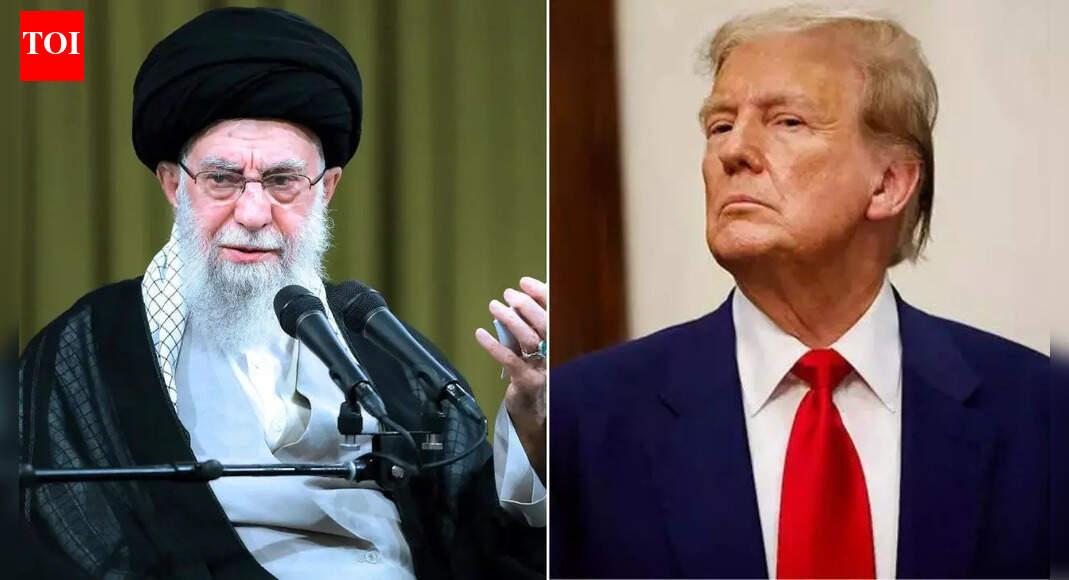
Khamenei publicly blamed foreign interference and singled out former U.S. President Donald Trump, using sharply personal language.

Some reports frame sanctions and regional tensions as contributors to Iran's economic collapse.

The Times of India highlights Khamenei denouncing Trump as arrogant and saying his hands were stained with blood.

Al Jazeera reports Khamenei's explicit accusation that protesters acted as mercenaries for foreign interests.

Livemint connects the turmoil to renewed UN sanctions and rising international pressure.

The EurAsian Times adds analysis on potential external influence and stresses the asserted importance of U.S. international support in any transition scenario.

Coverage Differences

Blame framing vs structural causes

Times of India and Al Jazeera both relay Khamenei’s rhetoric blaming the U.S. and Trump for fomenting unrest, while livemint foregrounds structural economic causes such as sanctions and the rial’s plunge and EurAsian Times speculates on the role of foreign support in regime change. This shows divergence between coverage emphasizing leadership rhetoric (Times of India, Al Jazeera) and coverage emphasizing structural international drivers (livemint, EurAsian Times).

Speculation vs. reporting

EurAsian Times includes speculative elements — such as reported contingency plans for Khamenei’s flight and the importance of U.S. support — whereas Al Jazeera and Times of India largely report Khamenei’s statements and domestic reactions without endorsing speculative contingency scenarios.

Protests and political uncertainty

Sources consistently note heavy state control and a hardline response, but analysts differ on whether protests can force systemic change.

EurAsian Times stresses that Khamenei retains control over the armed forces and the IRGC and warns that Pahlavi’s support may be insufficient.

Livemint and NDTV emphasize the protests’ economic roots and their mass scale.

Al Jazeera highlights both President Pezeshkian’s calls for restraint and hardline warnings of an impending crackdown.

Reports are ambiguous about casualty totals, the depth of popular support for the monarchy or alternative leadership, and the likelihood of defections within security ranks.

These uncertainties together leave the long-term political outcome unclear.

Coverage Differences

Assessment of regime durability

EurAsian Times (Asian) presents a more cautious appraisal of regime vulnerability — stressing firm control of armed forces and IRGC — while livemint (Other) and NDTV (Asian) emphasize mass economic grievances and large-scale mobilization; Al Jazeera (West Asian) documents both the hardline stance and calls for restraint, reflecting internal divisions. These differences affect whether coverage implies imminent regime change or prolonged repression.

Ambiguity and reporting limits

All outlets show gaps or caveats: livemint cites AP and Reuters to flag uncertainty on casualties and Pahlavi’s popularity; Al Jazeera reports mixed domestic responses; EurAsian Times includes speculative scenarios about defections and Khamenei’s contingency plans. The result is consistent reporting of uncertainty across sources.

All 12 Sources Compared

Al Jazeera

Iran’s Khamenei lashes out as Tehran struggles to quell protests

Read Original

Al Jazeera

Trump will not meet Iran’s ‘Crown Prince’ Pahlavi as protests intensify

Read Original

BBC

Reza Pahlavi, the exiled son of Iran's last shah at centre of protest chants

Read Original

EurAsian Times

1979-Like Revolution Erupts In Iran! “Pahlavi Will Return” Slogans Rock Streets; Is Mullah Regime Collapsing?

Read Original

India TV News

Iran protest LIVE updates: Supreme Leader Khamenei asks Trump to focus on problems in US

Read Original

Israel365 News

Iran’s Crown Prince Invokes Cyrus the “Anointed One” as Islamic Regime Crumbles

Read Original

livemint

Who is Reza Pahlavi? As Iran protests intensify, exiled crown prince pushes for larger crowd against Ayatollah Khamenei

Read Original

Moneycontrol

Iran protests bring Reza Pahlavi back into focus. Who is the exiled crown prince and will US support him?

Read Original

NDTV

Iran Protests Live Updates: Iran Cuts Internet As Crowds Join Crown Prince-Led Protests

Read Original

News18

Who Is Reza Pahalvi? Son Of Iran's Last Shah And Exiled Crown Prince Back In Spotlight

Read Original

News9live

Who is Reza Pahlavi? Exiled crown prince returns to spotlight amid Iran protests

Read Original

Times of India

'Hands of US president stained with the blood': Iran's Khamenei says 'arrogant' Trump will be overthrown;

Read Original